

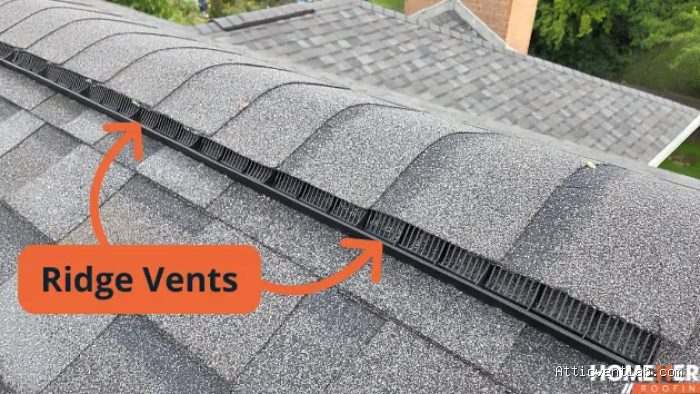
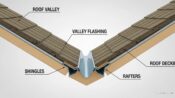
Atticventlab.com – Water intrusion at the apex where two ridge vents intersect occurs primarily due to improper flashing installation, lack of specialized mitered closures, or the failure of sealant to bridge the complex geometry of the roof valley and ridge junction.
The intersection of two ridge vents, often referred to as the ridge peak or hip-ridge junction, is one of the most vulnerable points on a roofing system. When roof planes meet at an angle, the ridge vent materials must be cut and fitted with extreme precision. Because this area is a natural funnel for wind-driven rain and snow, any gap in the overlapping material provides a direct pathway for moisture to enter the attic space.
Common Causes of Leakage at the Intersection
The most frequent culprit is the improper termination of the ridge vent. Many contractors treat the junction as a standard linear run, failing to recognize that the peak requires specialized waterproofing measures. If the ridge vents are simply butted against each other without a custom-fabricated metal cap or a high-quality weather-blocking insert, water will inevitably seep beneath the shingles.
Another common cause is the over-cutting of the roof deck. To allow for proper attic ventilation, the roof sheathing is cut back from the ridge. If the cut is too wide or extends too close to the mitered intersection, the shingles lose their structural support at the most critical point. This leads to sagging shingles, which creates a low spot that collects water rather than shedding it away from the vent opening.
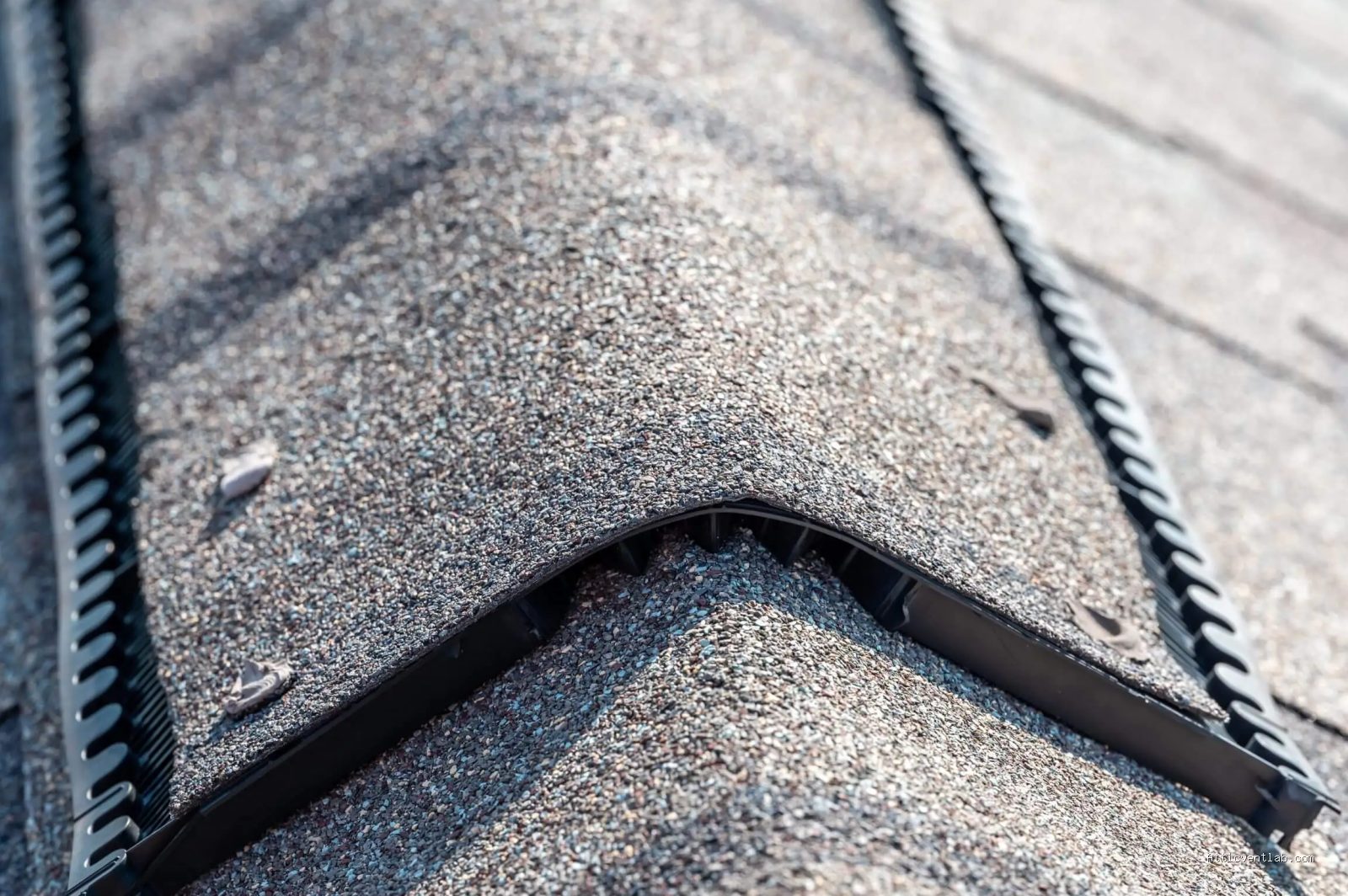
📷 Photo by rymulroofing.com
The Role of Wind-Driven Rain
Water intrusion is rarely caused by simple gravity; it is almost always the result of wind pressure. During a storm, wind hits the roof and creates high-pressure zones. If the ridge vent intersection is not sealed with a closed-cell foam baffle or a rigid end-cap, the wind force pushes rain droplets horizontally under the vent baffle. Once the water passes the exterior ridge vent filter, it drips directly onto the attic insulation or rafters.
Technical Comparison of Common Mitigation Methods
| Mitigation Method | Effectiveness | Complexity | Best Use Case |
|---|---|---|---|
| Standard Sealant Bead | Low | Low | Temporary patch only |
| Custom Metal Flashing | High | High | Permanent ridge junction |
| Closed-Cell Foam Baffles | Medium | Medium | Preventing wind-blown spray |
| Mitered Shingle Overlap | Medium | Medium | Standard hip-roof designs |
Steps to Correct Water Intrusion at the Ridge Apex
If you have identified leaks at this junction, immediate action is required to prevent mold growth and structural wood rot. Follow these steps to secure the area properly:
- Remove the existing ridge vent shingles and the vent material covering the intersection to expose the roof deck and the junction point.
- Inspect the roof sheathing for signs of rot or water staining; replace any damaged plywood before proceeding to ensure a solid substrate for new flashing.
- Install a custom-fabricated metal saddle or “cricket” flashing that covers the intersection and extends at least six inches under the adjacent shingles on all sides.
- Apply a high-grade, UV-resistant polyurethane sealant between the metal flashing and the shingle surface to prevent water migration.
- Reinstall the ridge vent material, ensuring that the ends are fitted tightly against the new flashing, and verify that the filter material is not compressed or obstructed.
- Apply ridge cap shingles in a woven or mitered pattern over the intersection to provide a final layer of protection against direct rain exposure.
The Danger of Improper Sealants
A common mistake homeowners and novice contractors make is relying solely on silicone or asphalt roofing cement to “plug” the leak. While these materials might stop a leak temporarily, they are not designed to handle the thermal expansion and contraction that occurs at the highest point of a roof. As the roof heats up and cools down, the sealant will eventually crack or pull away from the surface, creating a new, hidden path for water to enter the attic. Always prioritize mechanical flashing solutions over chemical sealants.
Read also: How to Seal Slotted Screws on Aging Corrugated Fiberglass Roof Panels
Identifying Signs of Hidden Damage
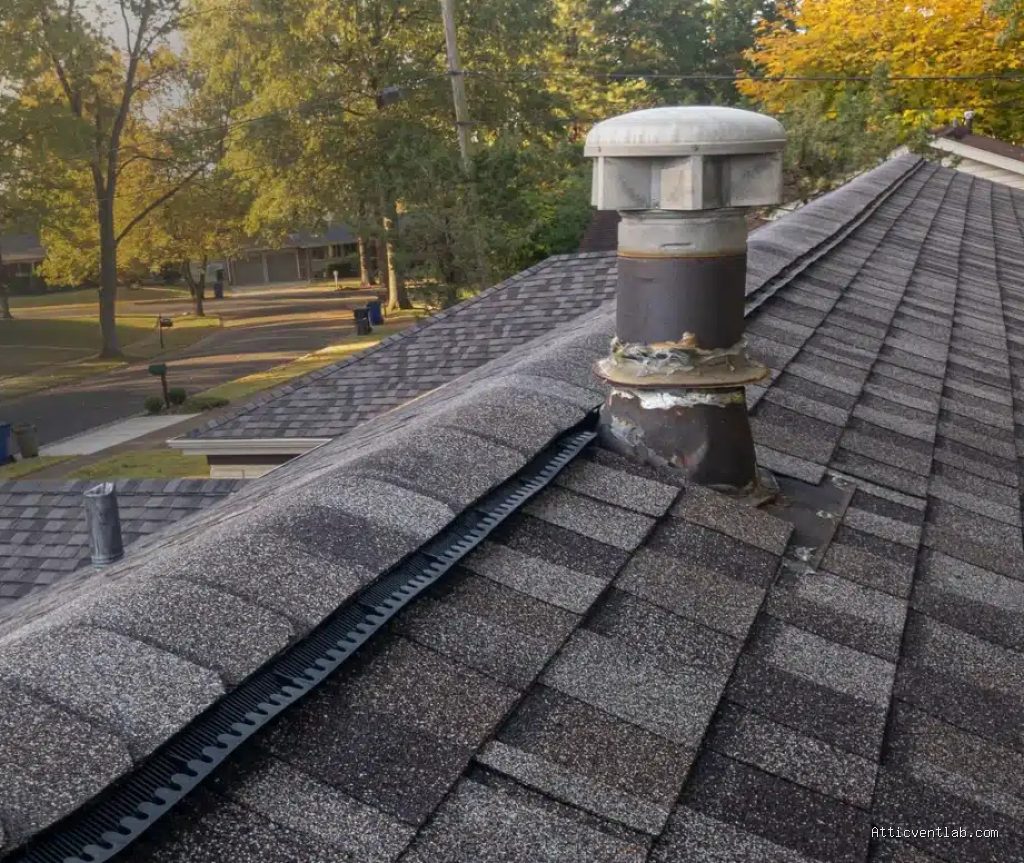
📷 Photo by weroof.com
You may not always see water dripping from the ceiling. Often, the moisture is absorbed by the attic insulation, which masks the issue until significant damage has occurred. Inspect your attic after a heavy rainstorm with a high-powered flashlight. Look for dark, damp patches on the underside of the roof decking or the rafters directly beneath the ridge. If you notice a musty odor or visible dark spotting on the wood, the intrusion has likely been occurring for an extended period.
Q: Is it necessary to seal the entire ridge vent to prevent leaks?
A: No, you should never seal the entire ridge vent, as this will trap moisture in the attic and lead to premature shingle failure. Only the intersection points and the very ends of the vent runs should be sealed to block wind-driven rain.
Q: Why does my roof leak only during specific wind directions?
A: This confirms that the leak is caused by wind-driven rain. When the wind hits the ridge at a specific angle, it forces moisture into the vent openings. This is a clear indication that your ridge vent lacks the necessary internal baffles or external flashing to deflect pressurized water.
Q: Can I use foam blocks to stop the leaks?
A: Yes, closed-cell foam blocks specifically designed for ridge vents are excellent for preventing water ingress at the intersection. Ensure they are cut to fit perfectly, as any gap will allow water to bypass the block and enter the attic.
In summary, the intersection of two ridge vents is a high-risk area that demands superior waterproofing techniques. By utilizing proper metal flashing, maintaining the integrity of the shingles, and avoiding the overuse of temporary sealants, you can effectively secure this critical roof junction against the elements. Always prioritize the use of high-quality, weather-rated materials to ensure that your attic remains dry throughout the lifespan of your roofing system.
📷 Photo by homeheroroofing.com


1 Comments
[…] Read also: Causes of Water Intrusion at the Apex Where Two Ridge Vents Intersect […]