

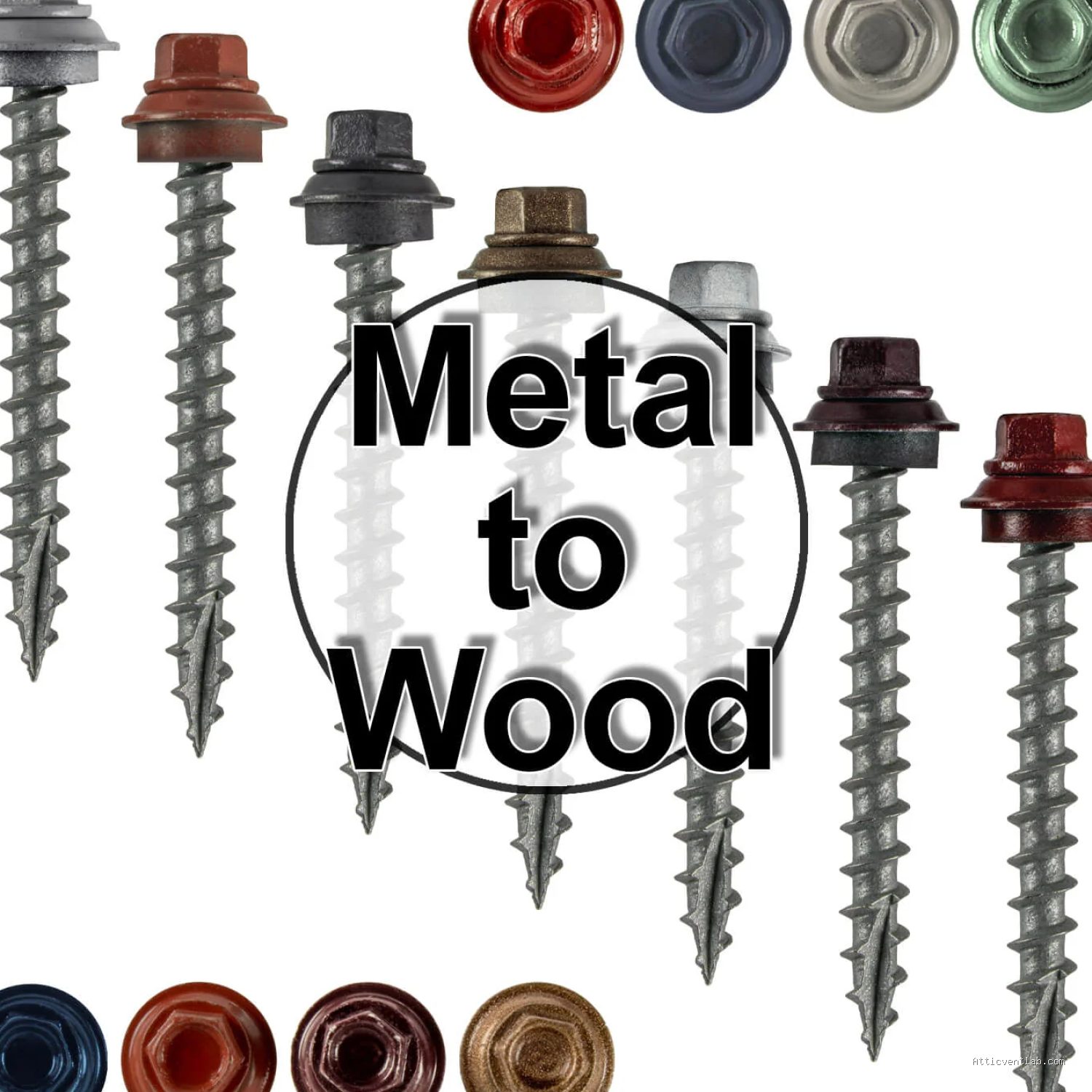
Atticventlab.com – The correct roofing screw length for plywood subroof purlins must penetrate the wood framing by at least 1 to 1.5 inches to ensure structural integrity and pull-out resistance. Using a screw that is too short risks mechanical failure under wind loads, while one that is too long may protrude through the bottom of the purlin, creating potential hazards or aesthetic issues.
Selecting the appropriate fastener is often the most overlooked step in roof installation. While many contractors focus heavily on the roofing material itself—whether it be metal panels, asphalt shingles, or polycarbonate sheets—the connection between the roofing material, the plywood substrate, and the underlying purlins is what ultimately holds the roof together during extreme weather events. If the screw is not properly sized, the entire assembly becomes vulnerable to uplift and vibration-induced loosening.
Understanding the Components of Your Roofing Stack
To determine the correct screw length, you must first calculate the total thickness of the materials the screw will pass through. This is known as the “grip range.” You are dealing with three primary layers: the roofing material thickness, the plywood subroof (usually 1/2 inch or 5/8 inch), and the purlin itself. The screw must pass through all of these and embed deeply into the structural wood of the purlin.
If you only anchor into the plywood, you are relying on a material that can easily expand, contract, or delaminate over time. Plywood is excellent for deck stability, but it lacks the holding power required to act as the sole anchor point for roofing fasteners. Therefore, the screw must bite into the solid timber purlin beneath the plywood to provide the necessary structural grip.
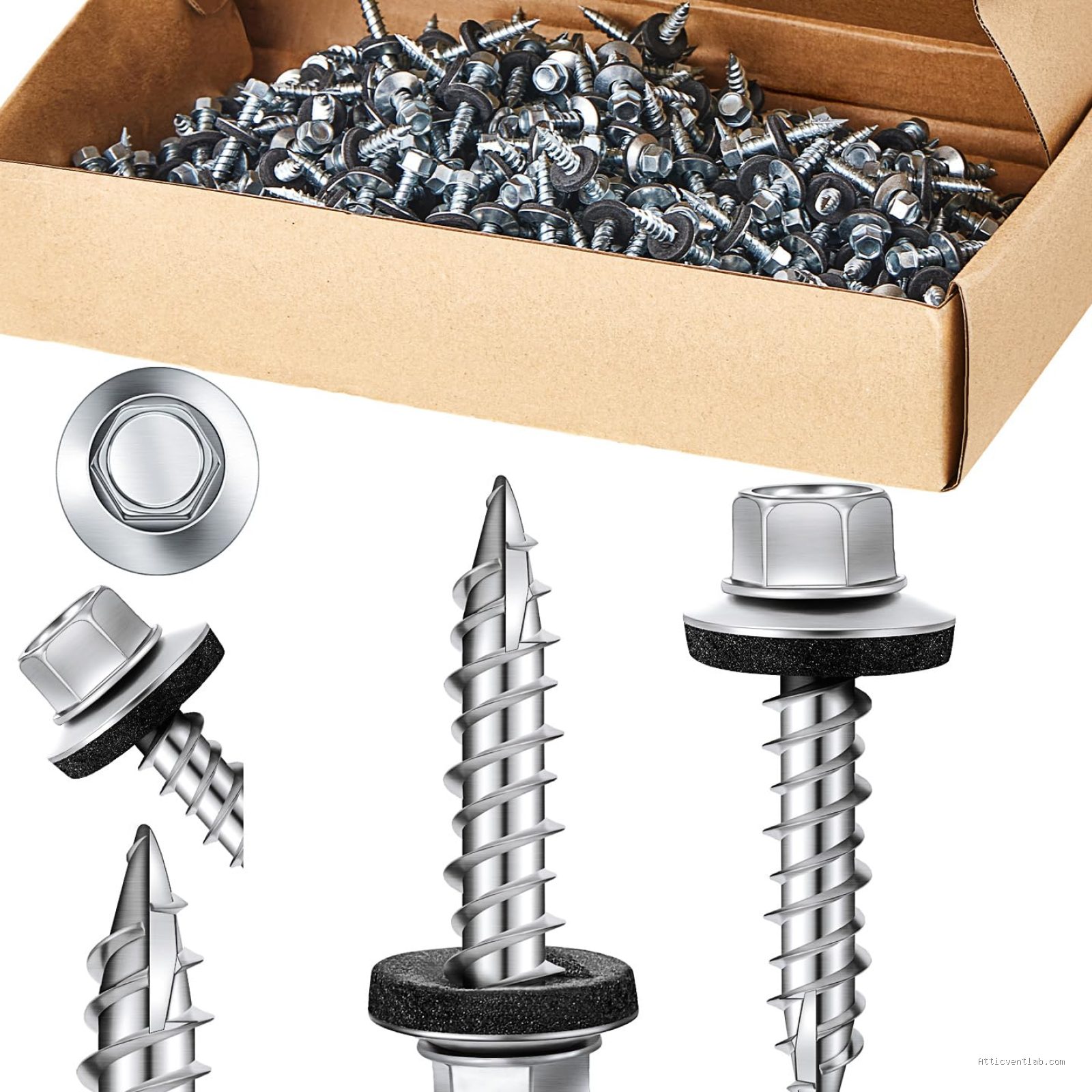
📷 Photo by cart2india.com
Factors Influencing Length Selection
The primary factor is the thickness of the roofing material. Corrugated metal sheets have different profiles compared to flat panels or polycarbonate sheets. Furthermore, if you are using rubber-backed washers to seal the penetration, you must account for the compression of the washer. Failing to account for the washer can result in a screw that seems long enough but actually provides insufficient thread engagement in the wood.
Another critical factor is the type of wood used for the purlins. Softwoods like pine require longer thread engagement to prevent the screw from stripping the wood fibers during high-wind events. Harder woods like oak or treated timber may hold better, but they still require a minimum embedment depth to satisfy local building codes and manufacturer specifications.
| Roofing Material Type | Typical Plywood/Material Combo Thickness | Recommended Screw Length |
|---|---|---|
| Corrugated Metal | 1.25 to 1.5 inches | 2.5 inches |
| Polycarbonate Panels | 1.0 to 1.25 inches | 2.0 inches |
| Asphalt Shingles (over plywood) | 0.75 to 1.0 inch | 1.5 to 1.75 inches |
| Standing Seam Clips | 1.5 to 2.0 inches | 2.5 to 3.0 inches |
Step-by-Step Guide to Calculating Screw Length
Follow these steps to ensure you choose the correct length for your specific project:
- Measure the exact thickness of your roofing material.
- Add the thickness of your plywood subroof (standard is usually 1/2 inch or 15/32 inch).
- Add the required embedment depth into the purlin, which should be a minimum of 1 inch for standard residential roofing.
- Add 1/8 inch to account for the thickness of the sealing washer.
- Sum these values and round up to the nearest standard screw size available in the market (e.g., if you calculate 2.1 inches, use a 2.5-inch screw).
Common Mistakes to Avoid
One of the most frequent errors is over-tightening. When using a drill with a high-torque setting, it is easy to strip the wood fibers inside the purlin. Once the threads are stripped, the screw loses its grip, and the roofing material will eventually rattle and leak. Always use a drill with an adjustable clutch to stop the screw precisely when the washer compresses against the metal surface.
Another mistake is mixing screw materials. If you are installing metal roofing, you must use screws with EPDM rubber washers. Using standard wood screws without these washers will create a direct path for water to enter the plywood, leading to rot and structural failure of the subroof. Furthermore, ensure the screw coating is compatible with the roof material to prevent galvanic corrosion.
Risks of Incorrect Screw Sizing
Using a screw that is too short leads to “fastener pull-out.” During a windstorm, the uplift pressure on a roof can be immense. If the screw has only engaged 1/4 inch of the purlin, the wood fibers will tear out instantly, causing the roof sheets to detach. This is a common cause of roof failure that insurance companies often attribute to improper installation rather than the severity of the storm.
Conversely, a screw that is too long can be equally problematic. If it penetrates through the bottom of the purlin, it creates a sharp point that can snag clothing or equipment in an attic space. In some cases, if the purlin is part of a decorative ceiling, the protruding screw tips will ruin the interior finish, requiring costly repairs or trimming.
FAQ
Q: Can I use deck screws for roofing?
A: No. Deck screws lack the EPDM rubber washer required to create a watertight seal. Without this seal, every single fastener hole will become a potential entry point for water, leading to plywood rot.
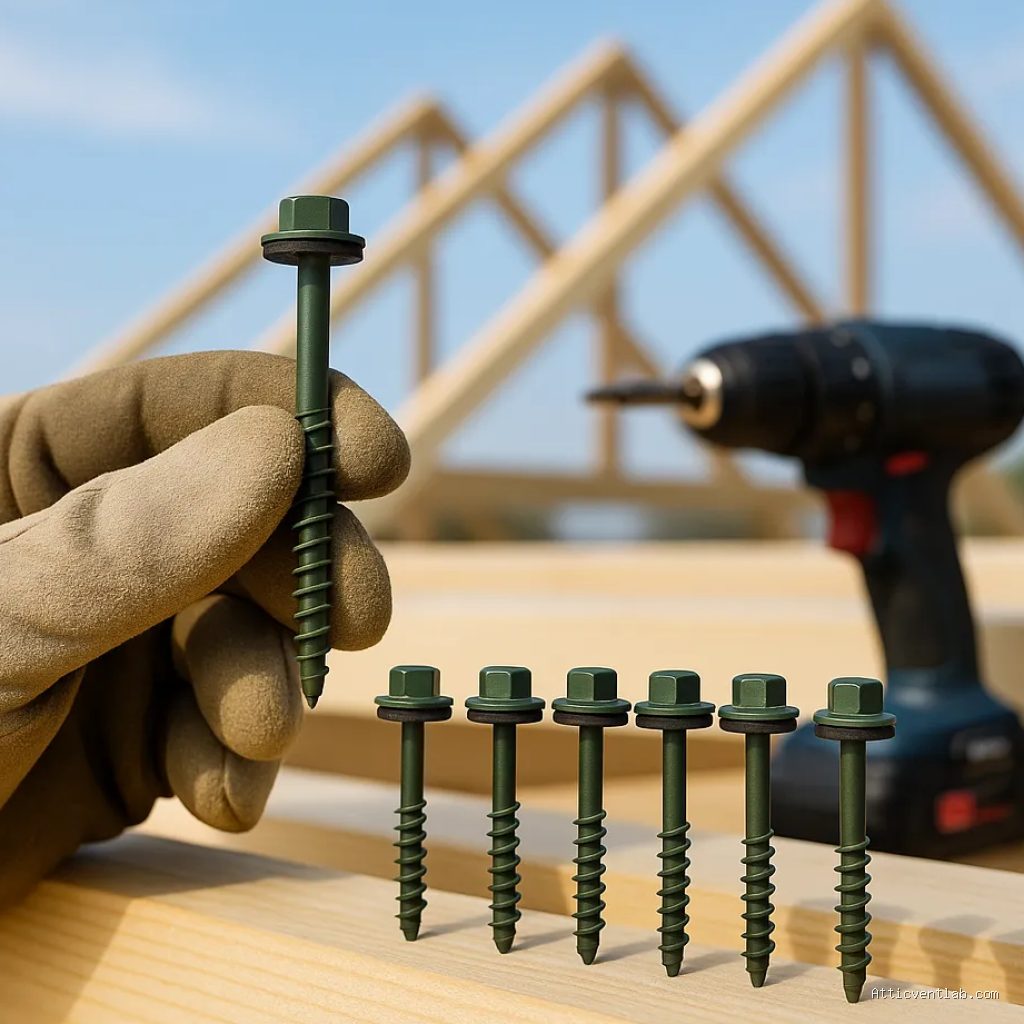
📷 Photo by roofix.in
Q: Should I pre-drill the holes?
A: For thin metal roofing, it is generally not necessary if using self-tapping screws. However, if you are working with hardwood purlins, pre-drilling a pilot hole slightly smaller than the screw diameter prevents the wood from splitting.
Q: How many screws do I need per sheet?
A: Always follow the manufacturer’s pattern. Generally, screws should be placed at every purlin intersection, with spacing typically ranging from 8 to 12 inches across the width of the panel to maintain structural rigidity.
By taking the time to verify your screw length against the specific thickness of your materials, you ensure a long-lasting, weather-tight roof. Never guess or assume that the screws included in a generic roofing kit are the correct size for your specific purlin depth. Always measure, calculate, and verify.
📷 Photo by jakesales.com





Leave a Reply