

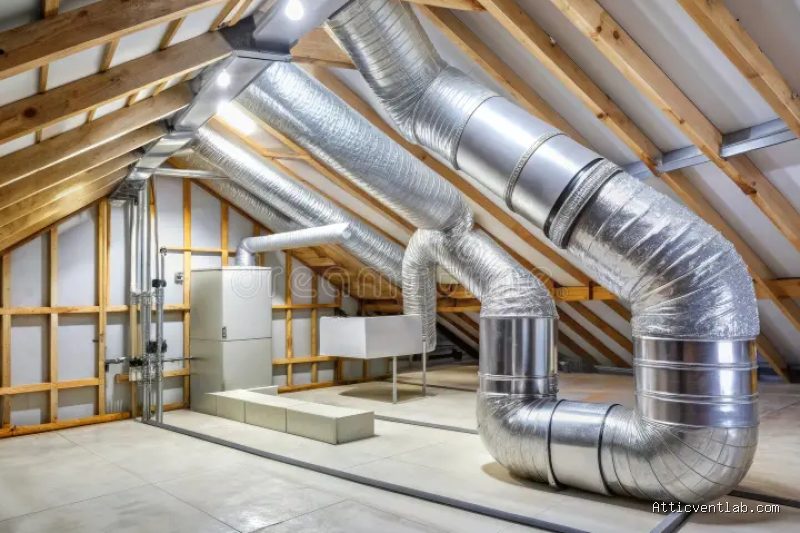
Atticventlab.com – High electricity bills caused by trapped attic heat baking HVAC ducts occur because the extreme temperatures force your air conditioner to work significantly harder to cool air that is being reheated while traveling through your home’s distribution system. This thermal gain forces the system to run longer cycles, leading to skyrocketing energy consumption and premature equipment failure.
The Physics of Attic Heat Gain
Attics in poorly ventilated homes can easily reach temperatures exceeding 140 degrees Fahrenheit during summer months. When your HVAC ducts are located within this unconditioned space, they act as massive heat exchangers. Even if your ducts are insulated, the sheer intensity of the radiant heat trapped under the roof deck permeates the insulation, warming the chilled air inside the ductwork before it ever reaches your living room.
This phenomenon, known as conductive heat gain, effectively cancels out the cooling work your AC unit has already performed. Because the thermostat is located in the living area, it senses that the target temperature has not been reached. Consequently, the AC compressor remains engaged for extended periods, consuming electricity at a rate far higher than the system’s design specifications intended.
Common Causes of Excessive Duct Heating
The primary culprit is almost always inadequate ventilation. Without proper ridge vents, soffit vents, or mechanical attic fans, hot air remains stagnant. This trapped air creates a “thermal blanket” around your ducts. Furthermore, leaky ductwork exacerbates the issue. When ducts have gaps or loose connections, they not only lose cold air into the attic but also draw in the superheated attic air, which is then pushed directly into your home, forcing the AC to fight a losing battle.
Another frequent cause is compressed insulation. If your attic insulation covers the ducts but has been stepped on, moved, or degraded over time, its R-value—the measure of thermal resistance—drops significantly. This leaves your ducts exposed to the harsh attic environment, turning your cooling system into a heater during the summer months.
Comparing Energy Loss Factors
Read also: How to Fix Stripped Screw Holes in Wood Purlins Using Oversized Fasteners
| Factor | Impact on Energy Bills | Severity |
|---|---|---|
| Poor Attic Ventilation | High | Critical |
| Leaky Duct Connections | Very High | Critical |
| Compressed Duct Insulation | Moderate | Significant |
| Dark Roof Shingles | Low to Moderate | Minor |
Signs Your Attic is Sabotaging Your Utility Bill
You can often identify this issue without specialized equipment. If you notice that your AC runs constantly during the hottest part of the day but the house still feels “stuffy,” your ducts are likely being baked. Another clear sign is a significant temperature discrepancy between rooms; rooms at the end of a long duct run will be much warmer than those closer to the air handler because the air has had more time to absorb heat from the attic.
Check your energy bills compared to the same month in previous years. If you have not changed your habits or added new appliances, a sudden spike in electricity usage during peak summer months is a classic indicator that your HVAC system is struggling against environmental heat gain in the attic.
Steps to Mitigate Attic Heat and Duct Baking
Addressing this issue requires a combination of improving airflow and sealing the distribution path. Follow these steps to reclaim your energy efficiency:
- Inspect the attic for airflow blockages: Ensure your soffit vents are not covered by insulation or debris, as these are essential for intake air.
- Seal all duct joints: Use mastic sealant or metal-backed tape to close gaps at connections, plenums, and take-offs to prevent hot air infiltration.
- Increase insulation coverage: If your ducts are buried under insulation, ensure the insulation is loose and fluffy rather than compressed, or consider adding reflective radiant barriers around the ducts.
- Install a solar attic fan: If passive ventilation is insufficient, a mechanical fan can actively exhaust the superheated air, significantly lowering the ambient attic temperature.
- Perform a professional duct pressure test: A technician can use a blower door test to determine exactly how much air is escaping into the attic versus entering the living space.
The Risks of Ignoring the Problem
Beyond the immediate financial pain of high electricity bills, ignoring baked ducts leads to long-term mechanical risks. AC compressors are designed to cycle on and off. When they are forced to run continuously, the internal components experience accelerated wear and tear. This often leads to motor burnout, refrigerant leaks due to excessive pressure, and a significantly shortened lifespan for a system that should otherwise last 15 to 20 years.
Furthermore, the moisture differential caused by hot ducts and cooled air can lead to condensation issues. If the air inside the duct becomes cool enough to reach the dew point while the outside of the duct is hot and humid, moisture can collect on the duct surface. This creates a breeding ground for mold and mildew, which can eventually be circulated throughout your home’s air supply, posing a risk to indoor air quality.
Frequently Asked Questions
Q: Does painting my roof white help reduce the heat affecting my ducts?
A: Yes, reflective roof coatings or lighter-colored shingles can reduce the amount of solar heat absorbed by the roof deck, which lowers the overall attic temperature and reduces the heat load on your ducts.
Q: Should I wrap my ducts in extra insulation myself?
A: You can add duct wrap, but ensure you are using the correct material (R-6 or R-8 insulation) and that it is applied tightly without gaps. Improper wrapping can sometimes trap moisture, so ensure the duct is clean and dry before applying any new materials.
Q: Is it better to move my ducts out of the attic?
A: While moving ducts into conditioned space (like a drop ceiling or soffit) is the most effective solution for energy efficiency, it is often prohibitively expensive. Most homeowners achieve sufficient results by focusing on sealing, insulating, and improving attic ventilation.
In summary, the relationship between attic temperature and electricity costs is direct and undeniable. By treating your attic as a critical component of your HVAC system rather than just a storage space, you can prevent unnecessary energy waste, extend the life of your equipment, and maintain a more comfortable home environment throughout the summer.
📷 Photo by dreamstime.com




1 Comments
[…] Read also: Causes of High Electricity Bills from Trapped Attic Heat Baking Ducts […]