

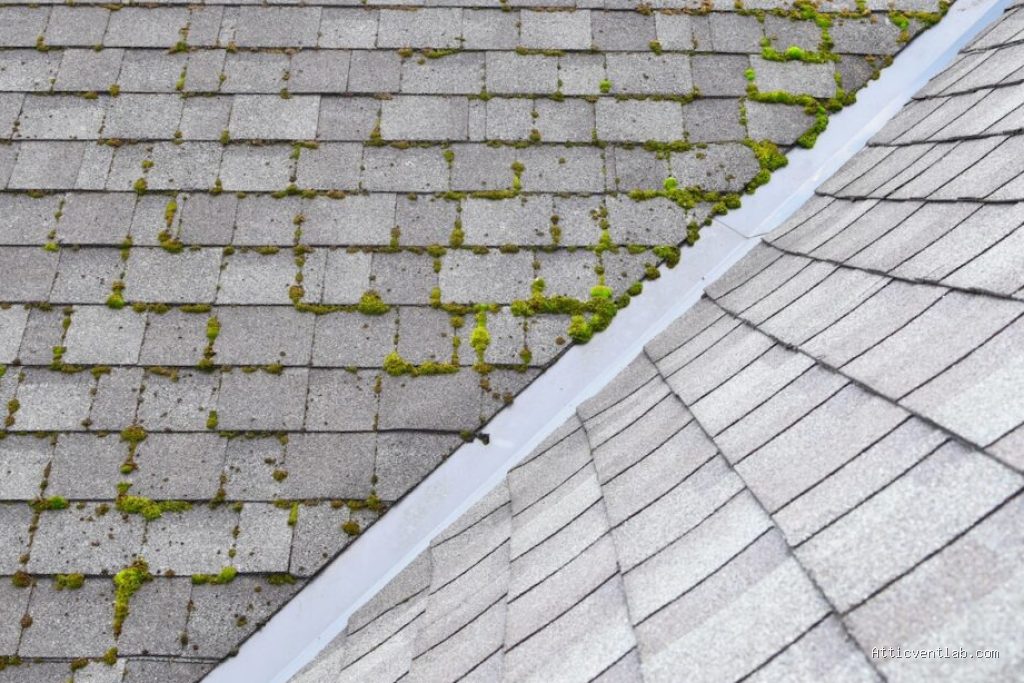
Atticventlab.com – Cleaning moss and algae from shingle step flashing requires a gentle application of a diluted oxygen bleach or specialized roof cleaner, followed by a low-pressure rinse to prevent water intrusion behind the metal seams.
Step flashing is the backbone of your roof’s water-shedding system. When moss and algae accumulate around these metal seams, they act like a sponge, holding moisture against the shingles and the flashing itself. This trapped water eventually finds its way into the smallest gaps, leading to wood rot, interior leaks, and premature deterioration of your roofing materials. Addressing this growth is not just about aesthetics; it is a critical maintenance task for roof longevity.
Why Moss and Algae Thrive at Flashing Seams
Moss and algae love the junction where metal meets asphalt shingles because these areas are naturally shaded and collect organic debris. Dust, pine needles, and pollen settle in the nook of the step flashing, creating a nutrient-rich base for spores to take root. Once established, moss roots penetrate the granular surface of shingles, lifting them up and exposing the sensitive underlayment to the elements.
Safety Precautions Before You Begin
Before climbing on your roof, prioritize safety. Ensure you are wearing rubber-soled shoes with excellent grip and utilize a safety harness if the roof pitch is steep. Never attempt to clean a roof on a windy or rainy day, as the surface will be dangerously slick. Always work from the top down to avoid pushing debris under the shingles, which could cause the very leaks you are trying to prevent.
Recommended Cleaning Solutions
Avoid harsh chemicals like chlorine bleach, which can damage the shingles, strip their protective granules, and harm surrounding vegetation. Instead, use oxygen bleach (sodium percarbonate) or a dedicated roof cleaning solution designed to be non-corrosive to metal flashing.
| Cleaning Agent | Pros | Cons |
|---|---|---|
| Oxygen Bleach | Eco-friendly, safe for plants, effective on algae | Requires longer dwell time |
| Specialized Roof Cleaner | Formulated to kill spores and prevent regrowth | More expensive than DIY mixes |
| Vinegar Solution | Readily available, mild | Less effective on heavy moss buildup |
Step-by-Step Cleaning Process
- Clear away loose debris like leaves and twigs from the flashing area using a soft-bristled brush or a leaf blower on a very low setting.
- Mix your chosen cleaning solution in a garden sprayer according to the manufacturer’s instructions.
- Apply the solution directly to the moss and algae, ensuring you soak the edges of the shingles where they overlap the step flashing.
- Let the solution dwell for 15 to 20 minutes, but do not allow it to dry completely on the surface.
- Gently scrub the areas with a soft nylon brush, moving in a downward direction to avoid lifting the edges of the shingles.
- Rinse the area thoroughly with a garden hose using a gentle spray pattern, ensuring you rinse away from the flashing seams rather than directly into them.
Common Mistakes to Avoid
One of the most frequent errors homeowners make is using a high-pressure power washer. Pressure washers can force water underneath the step flashing, soaking the roof deck and causing structural damage that may not be immediately visible. Furthermore, excessive pressure can blast the protective granules off your shingles, significantly shortening their lifespan. Always stick to low-pressure rinsing.
Another mistake is failing to rinse the surrounding landscape. Even if you use an eco-friendly cleaner, it is best practice to wet down nearby plants and shrubs with fresh water before and after the cleaning process to dilute any runoff that may drip onto them.
Preventive Maintenance Tips
To reduce the frequency of cleaning, consider trimming back tree branches that overhang the roof. This increases sunlight exposure and prevents debris from accumulating in the flashing channels. Additionally, installing zinc or copper strips near the roof ridge can help; as rain washes over these metals, it releases ions that inhibit the growth of moss and algae further down the roof slope.
Regular inspections are your best defense. Twice a year, walk the perimeter of your home and use binoculars to check the flashing seams for early signs of green discoloration. Catching the growth in the algae stage is significantly easier and less damaging than removing mature, thick moss mats.
Q: Is it safe to use a wire brush to remove stubborn moss from flashing?
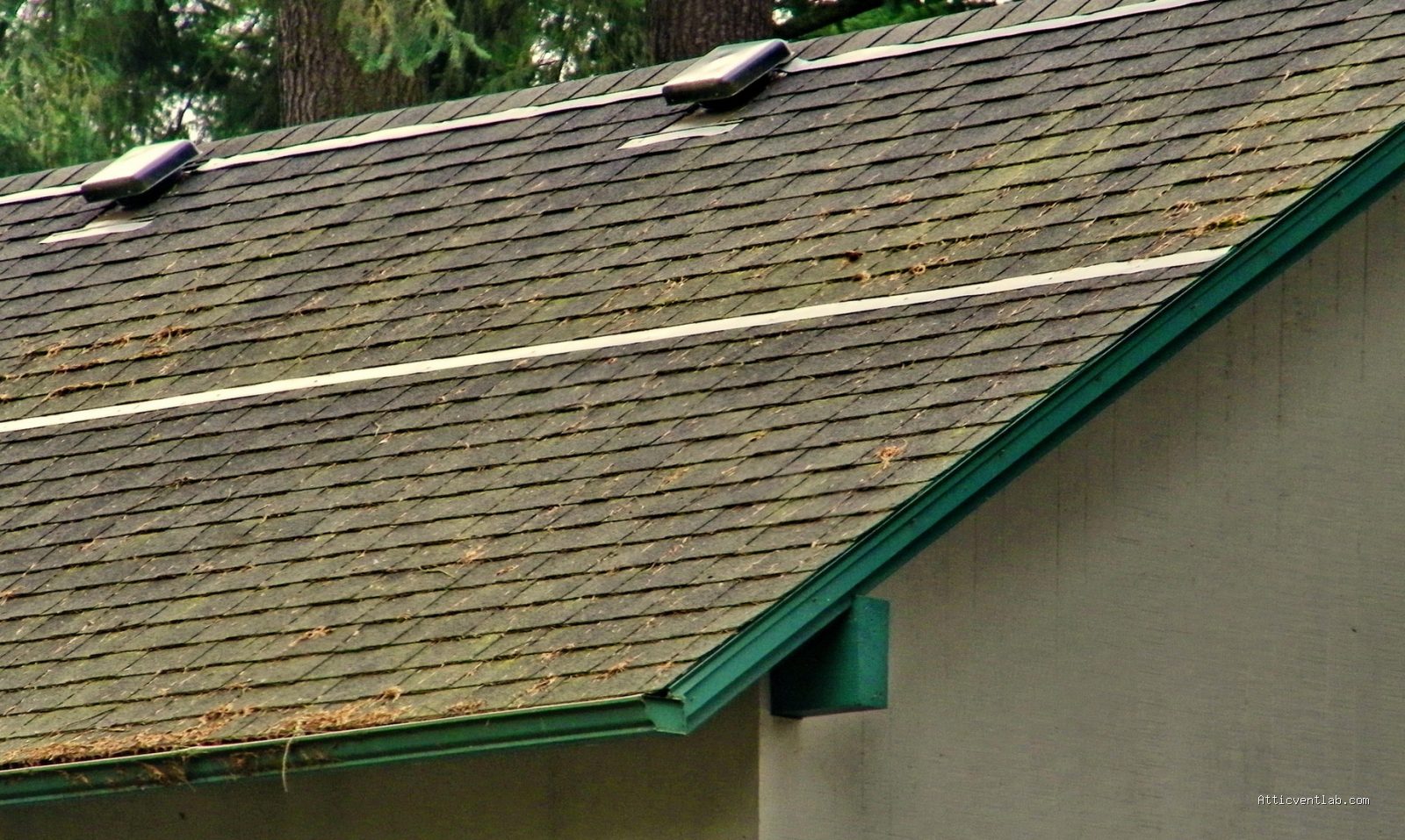
A: No, never use a wire brush. Metal bristles can scratch the protective coating on the flashing, leading to rust, and they will severely damage the asphalt shingles by stripping away the protective granules.
📷 Photo by dmr-gutters.com
Q: How often should I clean my roof to prevent moss buildup?
A: Most roofs in shaded or humid climates require a light cleaning every 2 to 3 years. If you notice persistent dark streaks or visible clumps of moss, you should address them immediately before they compromise the integrity of the shingles.
Q: Does the orientation of my roof affect moss growth?
A: Absolutely. North-facing roof slopes receive the least amount of sunlight, making them the most prone to moss and algae growth. These areas require more frequent monitoring and cleaning compared to south-facing slopes.
By following these steps and maintaining a consistent inspection schedule, you can protect your roof’s flashing seams from the damaging effects of biological growth. Proactive maintenance is always more cost-effective than repairing water damage caused by neglected flashing.
Read also: Causes of Black Streaks on Roof Decking Along Ridge Exhaust Cutouts
📷 Photo by roof-troopers.com






1 Comments
[…] Read also: How to Clean Moss and Algae Growing Around Shingle Step Flashing Seams […]