

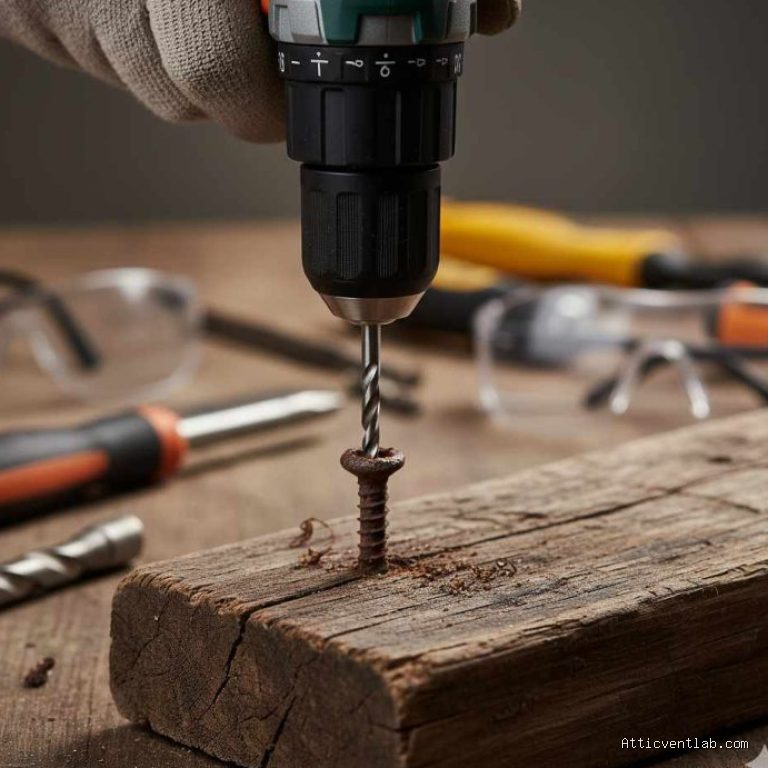
Atticventlab.com – Fixing stripped screw holes in wood purlins is best achieved by using oversized fasteners or reinforcing the hole with wooden dowels and high-strength wood glue to restore structural integrity. This method ensures that the purlin maintains its load-bearing capacity without needing a complete replacement of the structural member.
Understanding the Problem of Stripped Purlins
A stripped screw hole occurs when the wood fibers inside the pilot hole are crushed or torn away, leaving no material for the screw threads to grip. In structural applications like wood purlins, which support roofing materials, a loose fastener is not merely a nuisance—it is a safety hazard. If left unaddressed, the fastener can back out entirely, leading to sagging roof decks, leaks, or compromised structural stability during high wind events.
Many DIY enthusiasts make the mistake of simply driving a larger screw into the same hole without prep work. While this might feel tight initially, it often splits the wood or fails to create a long-term mechanical bond. Understanding the density of your purlin—whether it is soft pine or dense hardwood—is crucial before deciding whether to use a chemical filler, a mechanical fastener upgrade, or a wooden plug.
Assessing the Damage and Selecting the Right Fix
Before applying a fix, inspect the extent of the damage. If the wood around the hole is cracked, rotted, or crumbling, a simple oversized screw will not suffice. In such cases, you must replace the section of the wood or use a structural epoxy to consolidate the fibers. If the wood is still solid but the threads are simply “stripped” from the hole, you have several reliable options to restore the grip.
Comparison of Repair Methods
| Repair Method | Best Use Case | Structural Strength |
|---|---|---|
| Oversized Screw | Minor loosening in solid wood | Moderate |
| Wooden Dowel + Glue | Severely stripped or enlarged holes | High |
| Structural Screw Anchor | Heavy-duty framing connections | Very High |
| Epoxy Wood Filler | Small surface-level stripping | Low |
Step-by-Step Guide: Restoring Stripped Holes with Dowels
Using a wooden dowel is the industry-standard method for restoring a stripped hole to “like-new” condition. This creates a fresh, dense surface for the new fastener to bite into.
- Clear away any loose wood fibers or debris from the hole using a drill bit slightly larger than the current stripped hole to create a clean cylinder.
- Select a hardwood dowel that matches the diameter of the hole you just drilled.
- Apply a generous amount of high-quality wood glue to both the dowel and the inside of the hole.
- Drive the dowel into the hole until it is flush with the surface of the purlin, ensuring a tight fit.
- Allow the glue to cure for at least 24 hours, then cut off any excess dowel protruding from the surface.
- Once the glue is fully set, mark the center of the dowel and pilot drill a new hole slightly smaller than the shank of your intended screw.
- Drive the new fastener into the center of the dowel, ensuring it is perpendicular to the wood surface.
Common Mistakes to Avoid
One of the most frequent errors is using basic wood filler or putty to fix a stripped hole. Wood fillers are designed for aesthetic finish work, not for holding mechanical fasteners. Under tension, wood putty will crumble, leaving the screw loose again. Similarly, avoid the “matchstick” trick—stuffing the hole with toothpicks or matches—for structural purlins. While this works for cabinet hinges, it lacks the compressive strength required for roof framing.
Another common mistake is over-tightening. Once you feel the screw “bite” and hold firm, stop turning. Using an impact driver at high speed can easily strip a hole even in fresh wood if the torque is not controlled. Always use a manual screwdriver for the final turn to verify the resistance is consistent.
Choosing the Right Oversized Fasteners
Read also: Signs of Water Traveling Sideways Under Shingles from Valley Seams
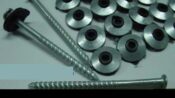
If you choose to use an oversized fastener instead of a dowel, select a screw with a slightly larger diameter but the same thread pitch. Structural screws, such as those with a specialized coating for pressure-treated lumber, are preferred. Ensure that the length of the screw is sufficient to penetrate deep into the center of the purlin, avoiding the edges where the wood is more prone to splitting.
If the hole is significantly enlarged, a specialized metal thread insert or a “screw-in” anchor can also be used. These inserts provide a steel-on-steel connection that is virtually impossible to strip, making them ideal for high-vibration environments where fasteners might otherwise work themselves loose over time.
Frequently Asked Questions
Q: Can I use epoxy to fill a stripped hole in a load-bearing purlin?
A: Yes, but only if you use a structural-grade epoxy designed for wood repair, not a standard craft or wood filler. For maximum safety, a wooden dowel plug is always superior to chemical fillers for load-bearing applications.
Q: How do I know if the purlin needs to be replaced instead of repaired?
A: If the wood shows signs of rot, deep splitting, or if multiple holes are stripped in close proximity (weakening the structural cross-section), it is safer to replace the section of the purlin rather than attempting a repair.
Q: Is it necessary to use a pilot hole for the new fastener?
A: Absolutely. A pilot hole prevents the wood from splitting when the new, larger screw is inserted and ensures that the screw follows the intended path through the center of the repair.
Final Tips for Long-Term Maintenance
Regular maintenance of your roof structure involves checking for signs of fastener backing. If you notice a screw head pulling away from the purlin, do not wait for the seasonal temperature changes to worsen the gap. Tighten it immediately or apply the repair methods listed above. Keeping the wood dry is also essential, as moisture causes wood fibers to expand and contract, which is the primary cause of screw loosening in outdoor or attic environments.
📷 Photo by woodworkingadvisor.com




1 Comments
[…] Read also: How to Fix Stripped Screw Holes in Wood Purlins Using Oversized Fasteners […]