

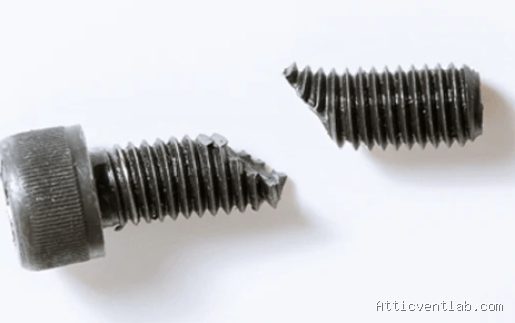
Atticventlab.com – Self-tapping fasteners break when installing through heavy steel rafters primarily due to excessive frictional heat and torsional stress that exceeds the shear strength of the screw material during the drilling process. This failure occurs because the fastener is tasked with both drilling through high-density steel and maintaining its structural integrity without snapping under the intense rotational force required to penetrate the metal.
The Mechanics of Fastener Failure
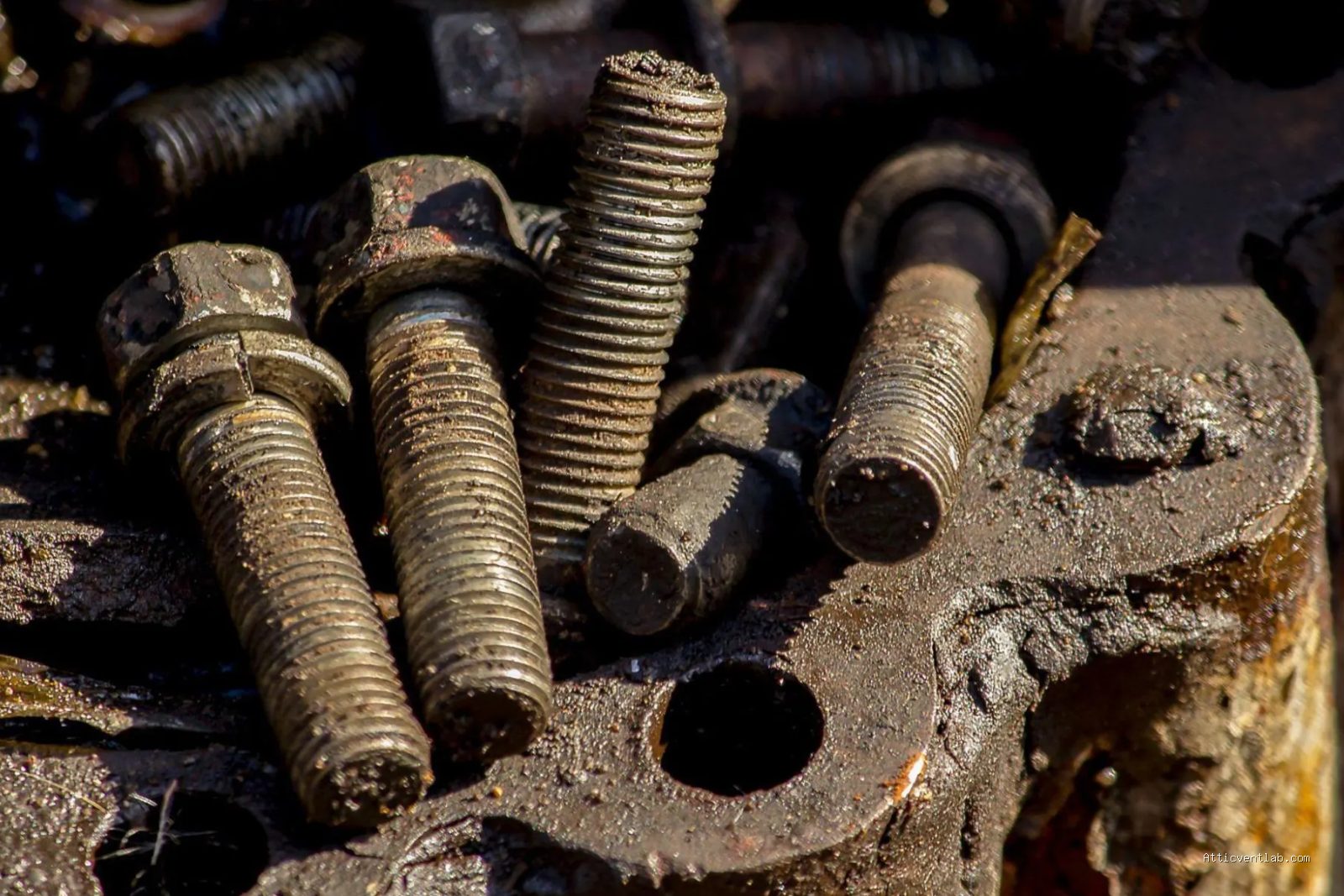
📷 Photo by au.rs-online.com
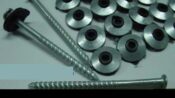
When you drive a self-tapping screw into heavy-gauge steel, you are not just fastening; you are performing a machining operation. The screw tip must act as a drill bit, removing material to create a pilot hole while simultaneously tapping threads. If the steel is too thick or too hard for the screw’s tip design, the metal resists the drill point. This creates extreme friction, which generates localized heat at the tip of the screw. As the heat rises, the steel of the fastener softens, while the torsion applied by the impact driver continues to twist the head. Eventually, the screw reaches its torsional limit and snaps.
Common Causes of Snapped Fasteners
The most frequent culprit is a mismatch between the drill point capacity of the screw and the thickness of the steel rafter. Many installers attempt to use standard screws meant for light-gauge studs on heavy structural steel. Another major factor is the speed of the installation tool. Using an impact driver at maximum RPM creates excessive heat build-up that destroys the temper of the screw tip before it has a chance to penetrate the steel surface. Furthermore, if the screw is not held perfectly perpendicular to the rafter, the lateral pressure induces bending stresses that weaken the shank, leading to premature failure.
Comparison of Fastener Failure Factors
| Factor | Impact on Failure | Resulting Issue |
|---|---|---|
| Tool RPM | Excessive speed creates friction | Overheating and tip dulling |
| Steel Thickness | Exceeds drill point capacity | Shear stress beyond yield point |
| Angle of Entry | Lack of perpendicular alignment | Bending moment leading to snap |
| Lubrication | Absence of cutting oil | Increased torque requirement |
Steps to Prevent Fastener Snapping
To successfully install fasteners into heavy steel without breakage, you must modify your technique and tool selection. Follow these steps to ensure a secure connection:
- Verify the steel thickness of the rafters and select a screw with a drill point specifically rated for that gauge.
- Use a magnetic nut setter or driver bit that provides a secure fit to prevent cam-out and wobbling.
- Apply steady, firm pressure at the start, but do not force the screw; allow the drill point to do the work.
- Use a variable-speed drill or impact driver and maintain a moderate, consistent speed to minimize heat accumulation.
- Apply a small amount of cutting oil or specialized tapping lubricant to the tip of the screw to reduce friction.
- If the screw begins to bind or smoke, stop immediately, back it out, and allow the metal to cool before attempting to drive it again.
The Role of Material Science
Not all fasteners are created equal. Self-tapping screws used for heavy steel are often hardened through a heat-treatment process. While this hardening makes the tip capable of drilling through steel, it also makes the metal brittle. If the screw is subjected to even a slight side-load during the installation process, the hardened steel cannot flex and will snap instantly. This is why professional installers often prefer using specialized structural screws that feature a slightly different alloy composition designed to balance hardness with ductility.
Recognizing Warning Signs
You can often predict a failure before the screw snaps. If you notice the screw vibrating excessively or hearing a high-pitched squealing sound, it is a sign of extreme friction. If the screw head starts to glow or if you see smoke, you are already past the point of no return. Continuing to apply force in this state will almost certainly result in the head shearing off. At the first sign of binding, it is best to stop, remove the screw, and check the drill point for damage. A dulled drill point will never successfully penetrate heavy steel and must be discarded.
Best Practices for Structural Integrity
Beyond the installation process, consider the environment. Galvanized or coated screws are necessary for outdoor or humid conditions, but these coatings can slightly alter the friction coefficient. Always ensure that the screw and the steel are compatible to prevent galvanic corrosion later, which can weaken the connection over time. If you find that you are breaking more than 5 percent of your fasteners, stop and re-evaluate your drill point rating or consider drilling a pilot hole manually with a high-speed steel bit before driving the fastener.
Frequently Asked Questions
Q: Does the type of driver tool matter when installing screws into heavy steel?
A: Yes, an impact driver is generally preferred for its hammer-like action, but it must be used at a controlled speed. A high-torque drill with a clutch setting can also be effective to prevent over-driving and snapping.
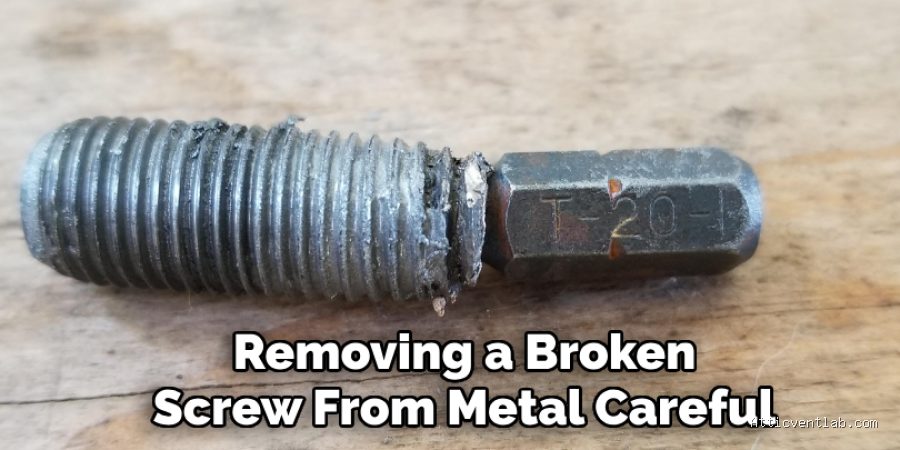
📷 Photo by metalfixes.com
Q: Can I reuse a hole if a screw snaps off inside the steel rafter?
A: It is highly discouraged. A broken screw tip creates a hardened obstruction that will destroy any new drill bit or screw tip. It is better to move the connection point slightly and fill the old hole with a weld or sealant.
Q: Why does the screw tip glow red during installation?
A: The red glow is caused by excessive frictional heat that has reached the tempering temperature of the steel. This heat ruins the hardness of the screw, causing it to become soft and susceptible to snapping under torque.
Read also: How to Clean Moss and Algae Growing Around Shingle Step Flashing Seams
📷 Photo by kenenghardware.com



1 Comments
[…] Read AlsoWhy Self-Tapping Fasteners Break When Installing Through Heavy Steel Rafters […]