

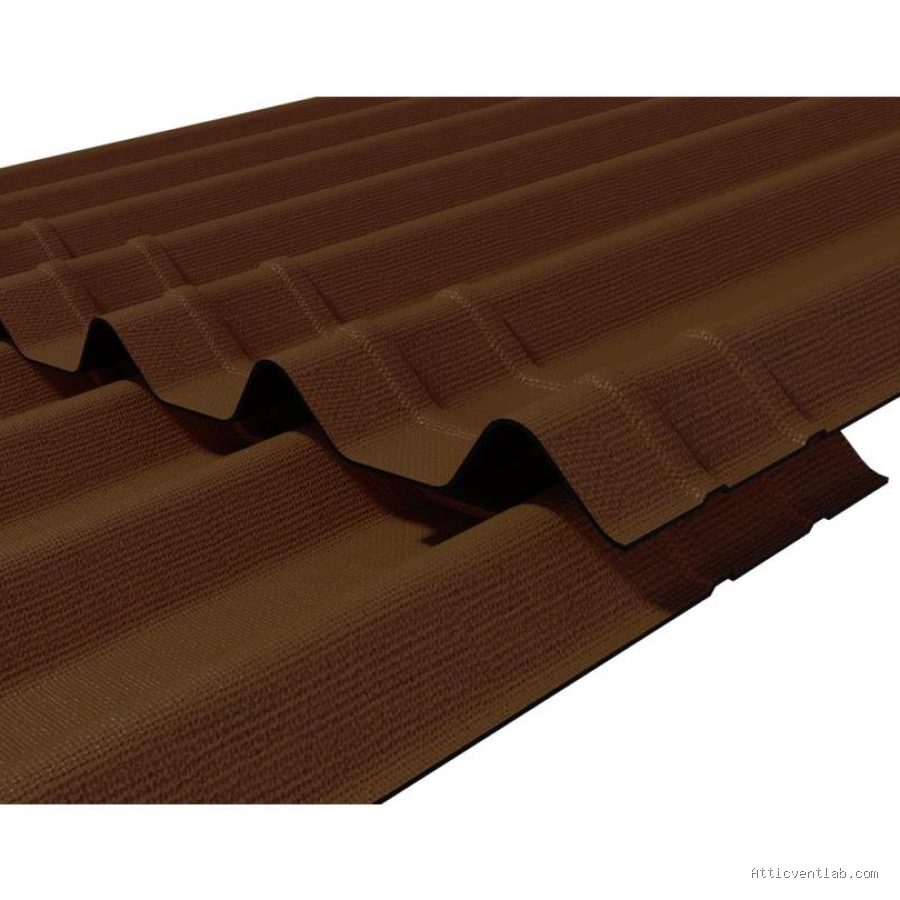
Atticventlab.com – To fasten corrugated asphalt roofing panels without crushing the corrugations, you must use specialized drive screws with EPDM washers and ensure you only drive fasteners into the high points (crests) of the panels while avoiding overtightening.
Installing corrugated asphalt roofing—often known by brand names like Onduline—is a popular choice for sheds, garages, and agricultural buildings due to its lightweight nature and bitumen-based weatherproofing. However, the material is inherently softer than metal or fiber cement. Applying too much torque during installation is the most common mistake, leading to crushed ridges, structural weakness, and inevitable leaks. Understanding the mechanics of the material is the first step toward a long-lasting roof.
The Importance of Crest Fixing
The golden rule of installing corrugated asphalt is to always fasten through the high point, or the “crest,” of the corrugation. Many DIYers mistakenly attempt to screw into the “valley” or the trough of the panel. Fastening in the valley is a recipe for disaster because rainwater naturally flows through these channels. If your seal fails even slightly, gravity will pull water directly through the screw hole and into your structure.
By fastening through the crest, you position the screw above the primary water drainage path. Furthermore, the crest provides a rigid structural point that resists deformation better than the flexible valley. If you fasten into the crest, the panel retains its structural integrity, and the EPDM washer can effectively seal the hole without the panel buckling under the pressure of the screw head.
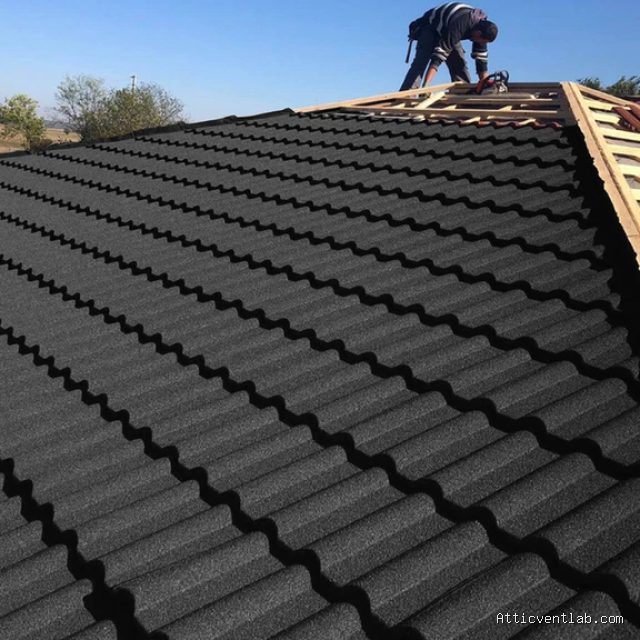
📷 Photo by picclick.co.uk
Essential Tools and Hardware
Using the wrong hardware is the primary cause of crushed corrugations. Standard wood screws or nails lack the necessary sealing components and are often too aggressive for bitumen-based materials. You must use dedicated roofing fasteners designed specifically for asphalt panels. These typically feature a wide-diameter head and a high-quality EPDM (Ethylene Propylene Diene Monomer) washer that expands to create a watertight seal against the curved surface of the crest.
| Component | Requirement | Reasoning |
|---|---|---|
| Fastener Type | Self-drilling roofing screws | Prevents splitting and ensures a clean pilot hole. |
| Washer Material | EPDM Rubber | Resists UV degradation and maintains elasticity. |
| Drilling Method | Low-torque setting | Prevents the screw head from sinking into the panel. |
| Fastening Point | Crest (High point) | Keeps holes away from water runoff paths. |
Step-by-Step Installation Guide
Following a systematic approach will ensure that your roof is secure without damaging the material. Before you begin, ensure your support purlins are spaced according to the manufacturer’s recommendations, as excessive spans can lead to sagging and the need for over-tightening.
- Pre-drill pilot holes if the manufacturer specifies, or use high-quality self-drilling screws designed for asphalt roofing to reduce the risk of structural stress.
- Position the screw exactly in the center of the corrugation crest to ensure the washer sits flat across the peak.
- Use a cordless drill with an adjustable torque clutch set to a low or medium setting to prevent the screw from “bottoming out” or crushing the ridge.
- Drive the screw until the EPDM washer is compressed just enough to form a seal against the asphalt, but stop immediately if you see the panel material beginning to deform or indent.
- Perform a final visual inspection across the entire roof surface to identify any fasteners that may have been driven too deep, backing them out slightly and resealing if necessary.
Common Mistakes to Avoid
One of the most frequent errors is using an impact driver instead of a standard drill. Impact drivers are designed for speed and high torque, which is the exact opposite of what you need for asphalt roofing. The sudden, high-intensity pulses of an impact driver can easily shatter or crush the bitumen material before you have a chance to pull your finger off the trigger. Always use a traditional drill-driver with a clutch.
Another error involves the spacing of the fasteners. Too few fasteners will allow the panels to vibrate and lift in high winds, leading to fatigue cracks. Conversely, too many fasteners create a “swiss cheese” effect, weakening the structural panel and providing more opportunities for leaks. Always consult the manufacturer’s layout guide, which typically dictates a specific number of fasteners per square meter or per linear foot along the purlins.
Dealing with Temperature Fluctuations
Asphalt roofing is a thermoplastic material, meaning it becomes softer in high heat and more brittle in cold temperatures. If you are installing on a very hot day, the material will be exceptionally soft, making it incredibly easy to crush the corrugation. If you are installing in cold weather, the material can be brittle and prone to cracking if the screw is forced in too aggressively. Ideally, aim for a temperate day, and if you must work in the heat, be extra cautious with your torque settings.
Read also: Signs Your Attic Has Too Much Exhaust and Not Enough Intake Airflow
If you find that your panels are bowing between the purlins, do not try to fix the sag by adding more screws or tightening them further. This will only pull the panel down into the purlin, creating a permanent depression that collects water and debris. Instead, check that your purlin spacing is correct. If the span is too wide, the only proper solution is to add intermediate supports rather than over-tightening the existing fasteners.
Frequently Asked Questions
Q: Can I use galvanized roofing nails instead of screws?
A: While nails are sometimes used, they are generally discouraged because they do not offer the same level of control as screws. Nails are prone to backing out over time due to thermal expansion and contraction, which ruins the seal and creates leaks.
Q: What should I do if I accidentally crush a corrugation?
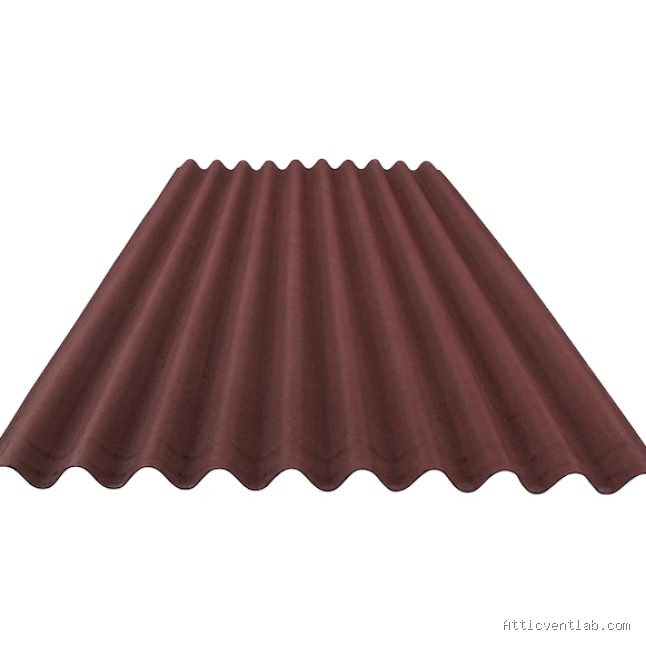
📷 Photo by lowes.com
A: If the damage is minor, you can often seal the area with an asphalt-compatible mastic or roofing sealant. If the structural integrity of the crest is compromised, it is best to remove the screw, patch the hole with a piece of bitumen repair tape, and relocate the fastener slightly to the side.
Q: How do I know if the EPDM washer is tight enough?
A: The washer should be firm against the panel surface, showing a slight outward bulge around the edges of the screw head. If the washer is flat and the screw head has created a crater in the asphalt, you have tightened it too much.
📷 Photo by make.classic-fords.co.uk


1 Comments
[…] Read also: How to Fasten Corrugated Asphalt Roofing Panels Without Crushing the Corrugation […]