

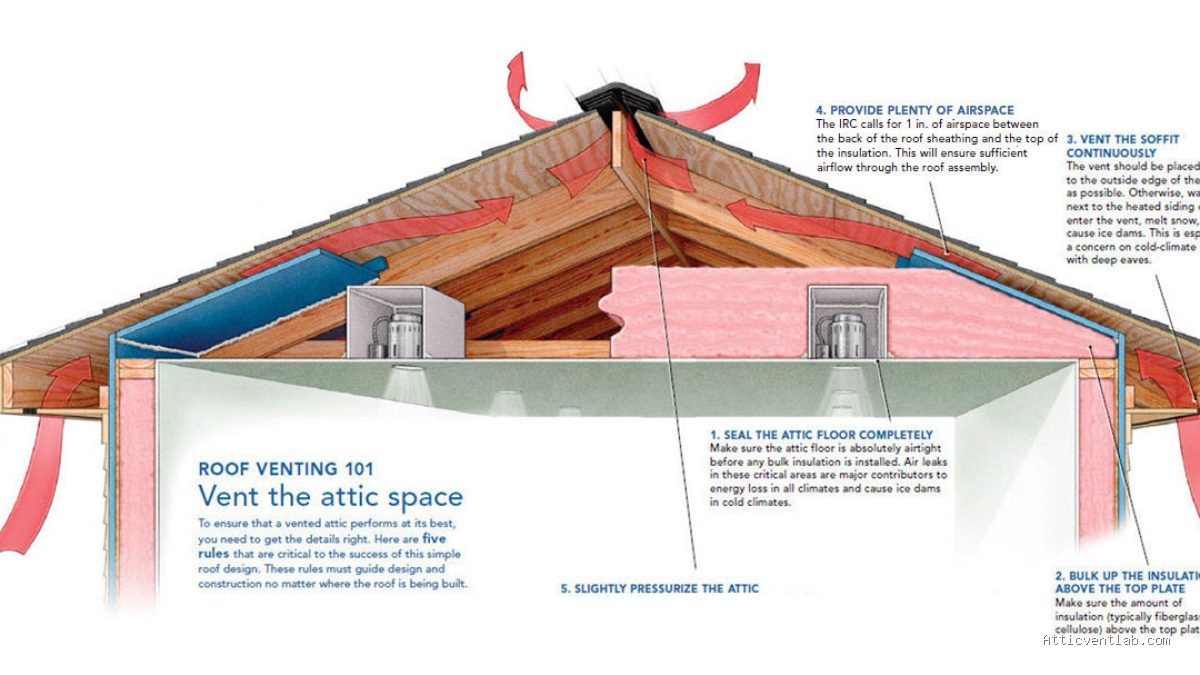
Atticventlab.com – Your attic suffers from excessive exhaust and insufficient intake when you notice persistent ice dams in winter, premature roof shingle degradation, or trapped heat that makes upper-floor rooms stiflingly hot during summer. This imbalance indicates that your ridge or gable vents are pulling air from inside your living space rather than from the soffits, creating a negative pressure environment that compromises your home’s thermal efficiency.
Understanding the Mechanics of Attic Ventilation
A balanced attic ventilation system relies on the principle of thermal buoyancy, where cooler air enters through the bottom (intake) and warmer, moist air exits through the top (exhaust). When this ratio is skewed toward exhaust, the system acts like a vacuum. Instead of drawing fresh, dry air from outside, the exhaust vents pull conditioned air from your home’s living spaces through gaps in the ceiling, light fixtures, and plumbing stacks.
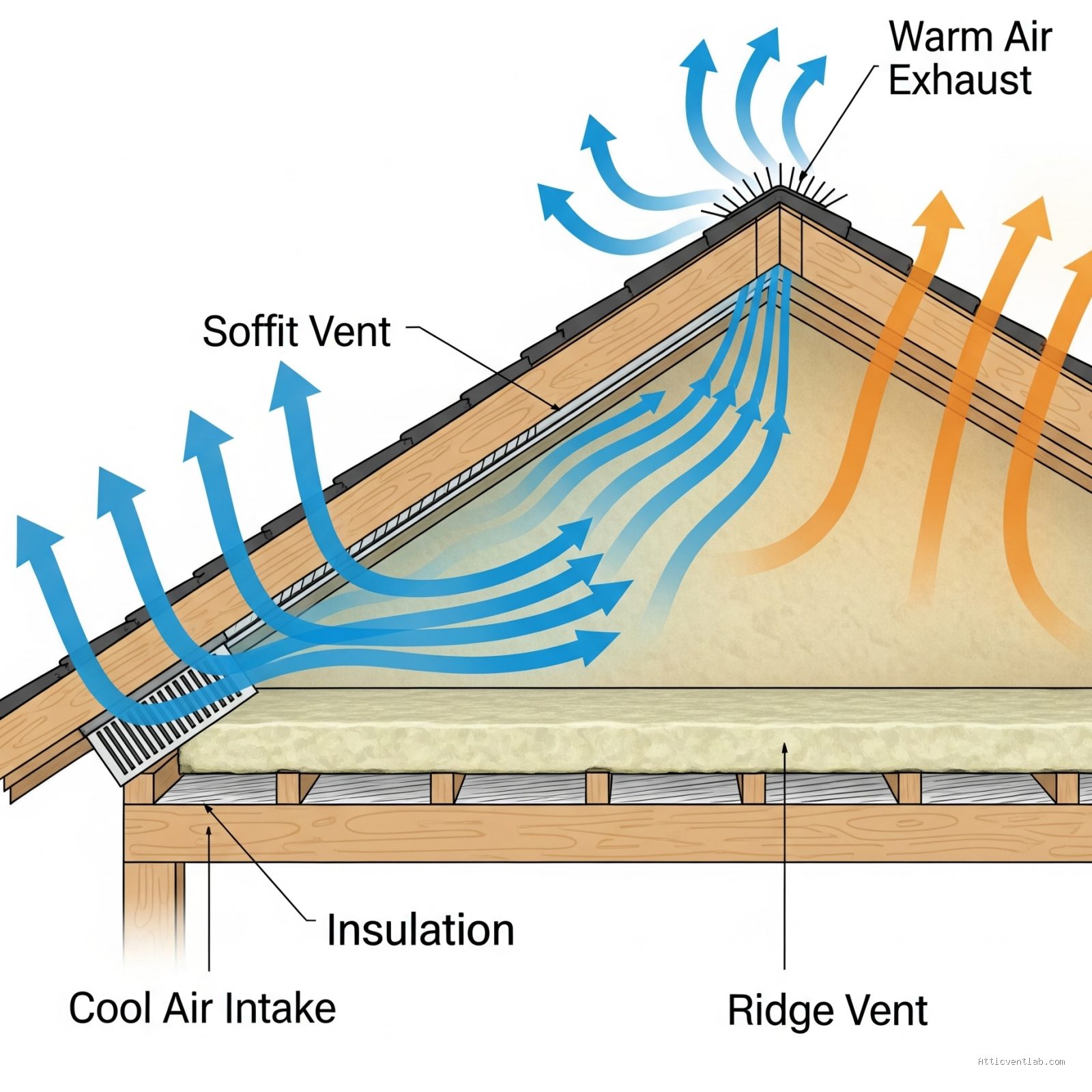
📷 Photo by bcpinc.us
This process, known as the stack effect, leads to significant energy loss. You are essentially paying to heat or cool your attic, which is supposed to remain at ambient outdoor temperatures. Beyond the financial impact, the moisture pulled from your home into the attic can lead to structural damage and mold growth.
Critical Signs of Intake Airflow Deficiency
Identifying an airflow imbalance early can save you thousands of dollars in roof repairs and energy bills. The most common physical signs include:
- Ice Dams: In cold climates, trapped heat in the attic melts snow on the roof surface. The water then refreezes at the eaves, where the roof is colder, creating ice dams that force water back under your shingles.
- Frost Accumulation: If you see frost or ice on the underside of your roof sheathing during winter, it means warm, moist air is escaping from your living space and condensing on the cold wood surfaces.
- Rusted Nails and Mold: High humidity levels trapped in the attic due to poor intake lead to oxidized fasteners and black spots on the wooden rafters, which are clear indicators of poor ventilation cycles.
- Premature Shingle Aging: Excess heat baking your shingles from underneath will cause them to curl, crack, and lose their protective granules years before their expected lifespan ends.
Comparing Ventilation Scenarios
The table below highlights the differences between a balanced system and one that is exhaust-heavy, helping you diagnose your specific situation.
| Feature | Balanced Ventilation | Exhaust-Heavy Ventilation |
|---|---|---|
| Temperature | Matches outside air | Significantly hotter in summer |
| Moisture Level | Low (dry) | High (damp/humid) |
| Energy Cost | Efficient | High (due to air loss) |
| Roof Longevity | Optimal | Reduced by 30-50% |
How to Audit Your Attic Airflow
You can perform a basic inspection to determine if your intake vents are blocked or insufficient. Follow these steps to assess the health of your attic ventilation:
- Go into your attic during a bright day and look toward the eaves. If you cannot see daylight peering through the soffit vents, your intake is likely blocked by insulation.
- Check for “insulation baffles” or “rafter vents.” These cardboard or plastic channels are essential to keep insulation from covering the intake points. If they are missing, your intake is likely choked.
- Feel the temperature of the underside of the roof deck. If it feels significantly warmer than the ambient outdoor temperature during a sunny day, your exhaust is working, but it isn’t being replenished by enough intake air.
- Consult a professional to perform a smoke test. A technician can release a small amount of harmless smoke near the intake points to see if it is being actively drawn into the attic space.
Common Mistakes That Sabotage Ventilation
Many homeowners inadvertently ruin their attic health during home improvement projects. The most frequent error is blocking soffit vents with blown-in or fiberglass insulation. When homeowners want to increase the R-value of their attic, they often push insulation all the way to the edge of the roof, effectively plugging the intake ports.
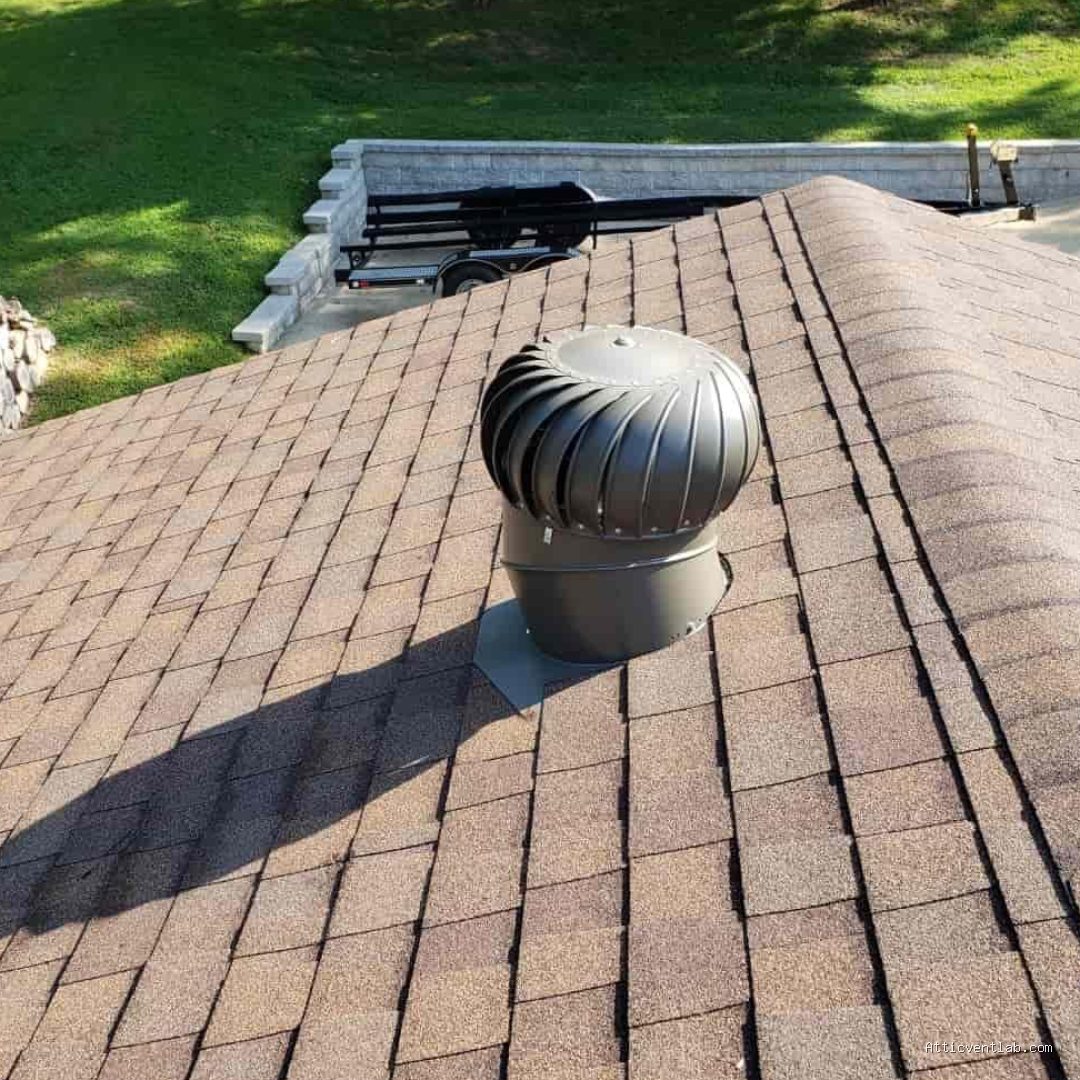
📷 Photo by billraganroofing.com
Another common mistake is mixing different types of exhaust vents. For instance, using both ridge vents and powered gable fans is counterproductive. The power fan will often pull air from the ridge vent instead of the soffits, short-circuiting the airflow and preventing fresh air from circulating through the entire attic space.
The Risks of Ignoring Airflow Imbalance
Neglecting these signs leads to more than just a high utility bill. The long-term consequences involve structural integrity. When wood remains damp due to condensation, it becomes a breeding ground for wood-decay fungi. Over time, this can lead to sagging roof decks and compromised structural framing. Furthermore, the constant cycle of freezing and thawing caused by heat loss can damage the brickwork of your chimney and the integrity of your gutters.
Q: Can I just add more exhaust vents to fix the heat?
A: No. Adding more exhaust vents without increasing intake will only increase the negative pressure, pulling more conditioned air from your home and worsening the problem.
Q: Why is my attic hot even though I have vents?
A: Your vents are likely present but ineffective. If the intake is blocked, the exhaust vents have no source of cool air to draw from, causing the attic to become a stagnant heat trap.
Q: How do I know if my soffits are actually working?
A: If you see daylight from the attic floor looking toward the eaves and the area is free of debris or insulation, your intake is likely clear; however, the only true test is observing the movement of air during a ventilation audit.
Maintaining a balanced ventilation system is the most cost-effective way to protect your roof investment. Ensure that your intake vents are clear, baffles are installed correctly, and your exhaust systems are not competing with each other. By allowing the house to breathe naturally, you ensure a longer-lasting roof and a more comfortable living environment.
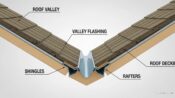
Read also: How to Install Apron Flashing Along the Front Base of a Brick Chimney
📷 Photo by blog.j2consultants.com



1 Comments
[…] Read also: Signs Your Attic Has Too Much Exhaust and Not Enough Intake Airflow […]