

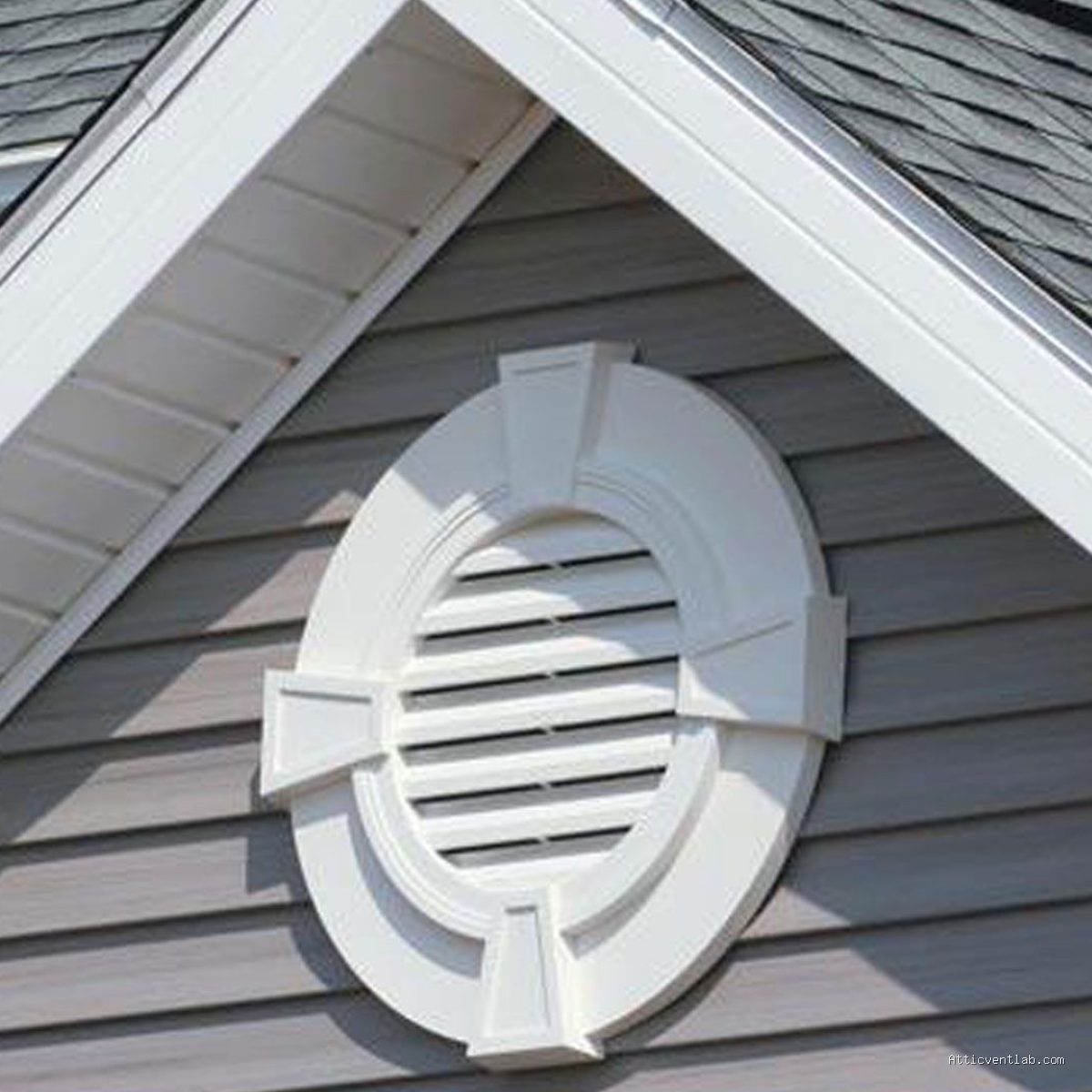
Atticventlab.com – Whistling wind noises through attic gable louver slats are primarily caused by high-velocity air rushing across narrow gaps, which creates an aerodynamic effect similar to blowing over the top of a bottle. This phenomenon, known as the edge-tone effect, occurs when wind pressure forces air through small openings, causing the slats to vibrate or act as a whistle.
Understanding the Aerodynamics of Attic Ventilation
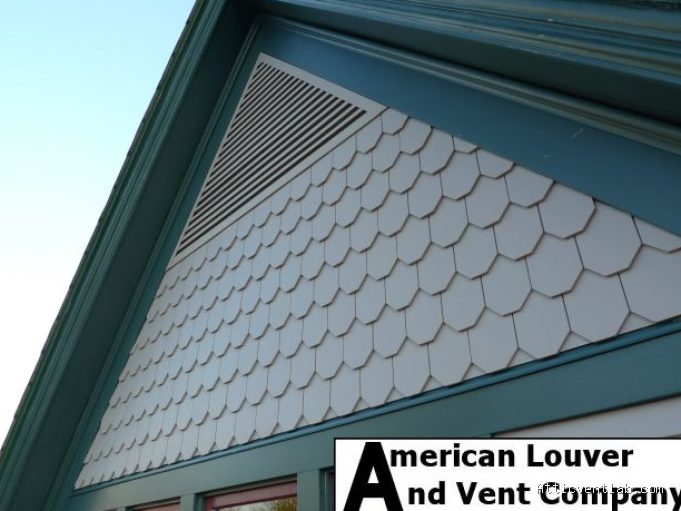
Attic gable vents are designed to facilitate passive airflow, allowing hot, moist air to escape the attic space. However, when the wind speed increases or hits the slats at a specific angle, the louvered design can inadvertently become a musical instrument. The whistling is not necessarily a sign of a broken vent, but rather a structural response to fluid dynamics.
The primary cause is often a combination of slat geometry and wind speed. If the slats are thin, loose, or improperly angled, they can oscillate rapidly when air passes through them. This vibration—even if invisible to the naked eye—generates audible sound waves. Additionally, if the louver frame is not sealed properly against the siding, air may leak around the edges, creating a secondary source of noise that amplifies the whistling.
Common Factors Contributing to the Noise
Beyond the basic airflow, several environmental and structural variables exacerbate this issue. Understanding these will help you identify the specific culprit in your home.
- Wind Direction: Gusts that strike the gable wall perpendicularly are more likely to create consistent whistling compared to winds that hit at an oblique angle.
- Slat Material: Metal louvers are prone to “oil-canning” or vibrating more easily than wood or high-density vinyl, making them more susceptible to noise.
- Gaps and Sealants: Over time, the caulk or sealant around the vent frame can crack. Air pressure building up behind the vent can force air through these microscopic gaps, creating a high-pitched hiss or whistle.
- Obstructions: If there is debris, such as bird nests or loose insulation, partially blocking the airflow, it can create a Venturi effect, accelerating the wind and increasing the noise level.
Comparison of Vent Materials and Noise Susceptibility
| Material Type | Noise Susceptibility | Common Cause of Whistling |
|---|---|---|
| Aluminum/Metal | High | Thin gauge metal vibrating in high wind |
| Vinyl/PVC | Medium | Loose fit in the mounting frame |
| Wood | Low | Air leaks around the perimeter frame |
Practical Steps to Mitigate Attic Vent Whistling
If the sound is disruptive, you can take specific actions to dampen the vibration or seal the leaks. Before performing any work, ensure you have proper safety equipment, as this often involves working at heights near the gable end.
- Inspect the Slat Tension: Check if the slats are loose within their frame. If they move easily when pushed, applying a small bead of exterior-grade silicone caulk at the contact points can secure them and prevent vibration.
- Seal the Perimeter: Inspect the gap between the vent frame and the house siding. Use a high-quality exterior sealant to close any gaps where wind could be forcing its way through.
- Install a Baffle: If the wind is consistently hitting the vent at a harsh angle, you might consider installing an exterior baffle or a decorative shutter that redirects the airflow without completely cutting off ventilation.
- Tighten Fasteners: Ensure all screws or nails holding the louver unit to the house are tight. A loose frame can rattle against the siding, which often mimics or amplifies a whistling sound.
Risks and Misconceptions
📷 Photo by ubuy.co.in
Many homeowners worry that whistling indicates structural failure. In most cases, it is merely a nuisance rather than a sign that your roof is collapsing. However, if the whistling is accompanied by a heavy rattling, it could indicate that the vent unit is becoming detached from the gable wall, which poses a risk of water infiltration during storms.
Another common mistake is fully blocking the vent to stop the noise. This is a critical error. Attic ventilation is essential for moisture control; blocking these vents can lead to trapped humidity, which encourages mold growth, wood rot, and premature degradation of your roof shingles. Always prioritize airflow over silence.
FAQ
Q: Can I just spray expanding foam inside the slats to stop the whistle?
A: No. Spray foam will block the necessary airflow, which will lead to moisture buildup in your attic. You must allow the air to move freely, even if you dampen the vibration of the slats.
Q: Does the size of the attic vent affect the volume of the whistling?
A: Yes. Larger vents have more surface area for wind to catch, but the pitch of the whistle is usually determined by the spacing between the slats. Narrower gaps between slats often produce a higher-pitched, more piercing whistle.
Q: When should I consider replacing the vent entirely?
A: If the slats are corroded, bent, or if the frame is so damaged that it no longer seals against the wall, replacement is the best option. Modern louvers are often designed with better aerodynamics to minimize wind noise.
Final Considerations
If you have attempted to seal the gaps and secure the slats but the noise persists, consider whether the wind patterns have changed due to new landscaping or neighboring structures. Sometimes, the placement of a tall fence or a new tree can redirect wind currents directly toward your gable, turning a quiet vent into a noisy one. In such cases, a slight modification to the exterior trim or the addition of a wind-deflecting hood can solve the problem without compromising the health of your attic.
Read also: How to Fasten Corrugated Asphalt Roofing Panels Without Crushing the Corrugation
📷 Photo by pinterest.com


1 Comments
[…] Read also: Causes of Whistling Wind Noises Through Attic Gable Louver Slats […]