

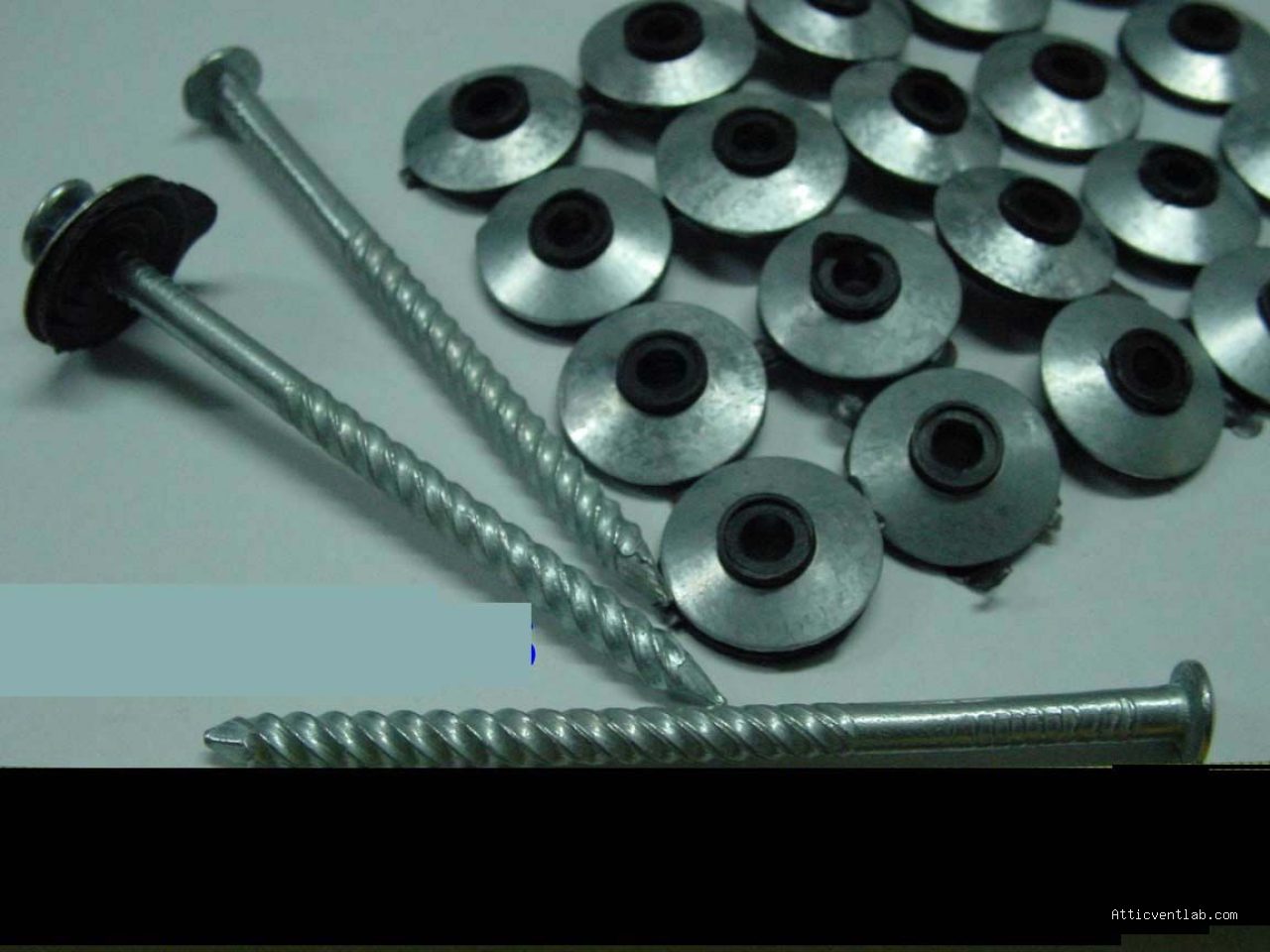
Atticventlab.com – Neoprene washers on south-facing roof slopes degrade significantly faster due to the synergistic effect of intense ultraviolet (UV) radiation and high thermal cycling, which accelerates the chemical breakdown of the synthetic rubber’s polymer chains. This constant exposure leads to brittleness, cracking, and eventual loss of the watertight seal essential for roof integrity.
The Chemistry of Degradation
Neoprene, or polychloroprene, is a synthetic rubber known for its resilience and chemical stability. However, it is not immune to the harsh conditions found on a residential roof. When a roof faces south, it receives the highest concentration of solar energy throughout the day. This energy is not just light; it is a combination of photon energy and thermal heat that attacks the material at a molecular level.
UV radiation initiates a process called photo-oxidation. This process breaks the cross-links that give neoprene its elasticity. As the polymer chains snap, the material loses its ability to flex and recover. Instead of remaining soft and pliable, the washer turns rigid. Once the material becomes rigid, it can no longer compensate for the natural thermal expansion and contraction of the metal roofing panels or the fastener head, leading to micro-cracking.
The Impact of Thermal Cycling
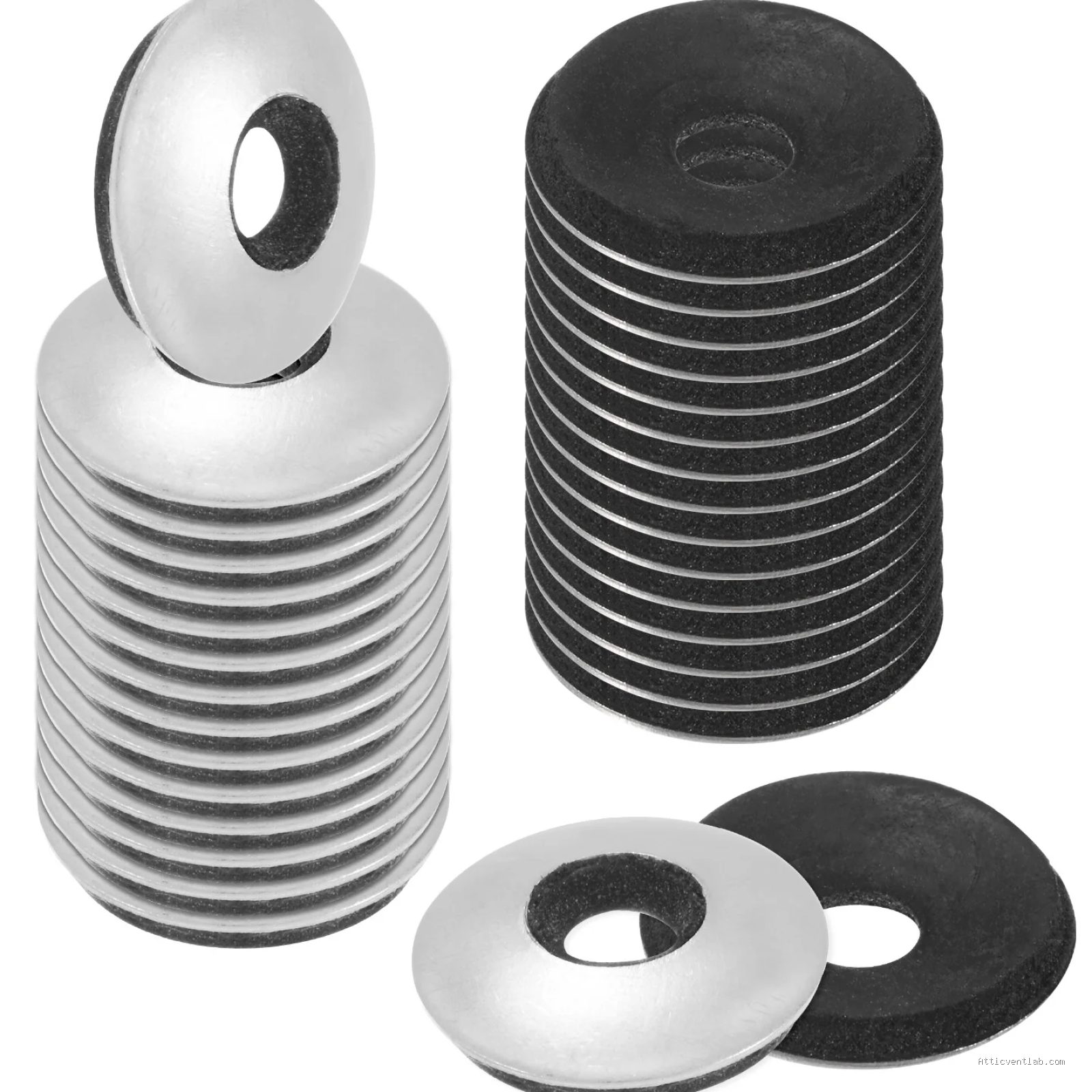
Thermal cycling is the silent killer of roofing components. On a south-facing slope, the temperature of a metal roof can fluctuate by as much as 100 degrees Fahrenheit in a single day. During the peak of the afternoon, the neoprene washer is baked, causing it to harden. At night, the temperature drops rapidly, causing the metal screw and the roofing panel to contract at different rates.
📷 Photo by walmart.com
Because the washer has already been compromised by UV rays, it loses its “memory”—the ability to return to its original shape. It becomes compressed and deformed. Over time, the washer develops a permanent set, effectively shrinking away from the fastener shank or the roofing surface. This creates a gap where water can penetrate, leading to leaks that often go unnoticed until significant structural damage occurs underneath the roofing substrate.
Comparison of Environmental Stressors
| Factor | South-Facing Slope Impact | North-Facing Slope Impact |
|---|---|---|
| UV Radiation Intensity | High (Direct exposure) | Low (Indirect/Diffuse) |
| Thermal Fluctuation | Extreme (Daily peaks) | Moderate (Cooler, stable) |
| Oxidation Rate | Accelerated | Slow |
| Expected Lifespan | 5–8 years | 12–15+ years |
Early Warning Signs of Failure
Homeowners often neglect roof fasteners until a leak manifests inside the home. However, visual inspection can reveal signs of degradation long before water entry occurs. The first indicator is visible discoloration or “chalking” on the surface of the washer. If the neoprene appears lighter in color, dusty, or shows a white powdery residue, the chemical structure is already failing.
Another critical sign is the presence of radial cracks around the perimeter of the washer. If you touch the washer with a screwdriver and it feels hard or brittle rather than rubbery, it has exceeded its useful service life. In advanced stages, you may see the washer physically splitting or crumbling away from the screw head, leaving the metal fastener exposed directly to the elements.
Steps to Mitigate Washer Failure
Regular maintenance is the most effective way to prevent catastrophic roof failure. If you are performing a roof inspection or planning a replacement project, follow these steps to manage washer health:
- Conduct a bi-annual visual inspection of all south-facing fasteners, specifically looking for hardened or cracked rubber rings.
- Use a non-abrasive probe to gently test the flexibility of the washers on various parts of the roof slope.
- If more than 10 percent of the washers on a slope show signs of cracking, schedule a systematic replacement of all fasteners in that section.
- When replacing fasteners, opt for high-quality EPDM (Ethylene Propylene Diene Monomer) washers with UV-stabilizing additives, as they generally perform better than standard neoprene in high-heat environments.
- Apply a specialized UV-resistant sealant over the screw heads if the roof is in an area with extreme solar intensity, providing an extra layer of protection against direct sunlight.
Common Mistakes to Avoid
📷 Photo by konnectfasteningsystems.co.nz
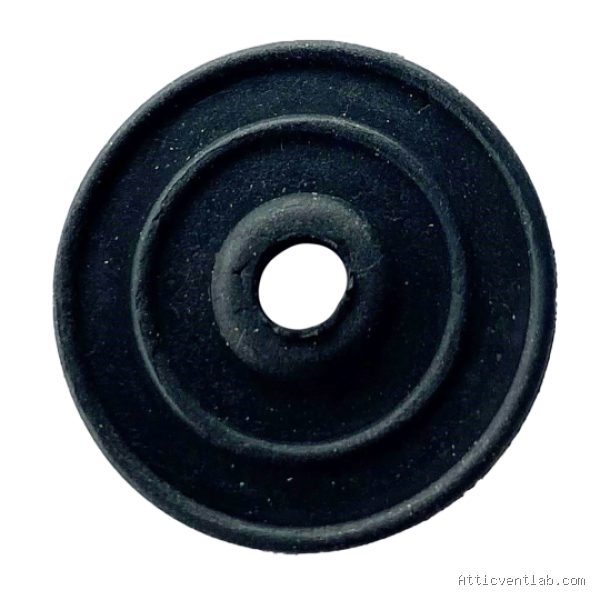
A frequent error is overtightening the screws during installation. When a fastener is driven too deep, it crushes the neoprene washer beyond its elastic limit. This pre-stresses the rubber, making it much more susceptible to the cracking caused by thermal expansion. The washer should be compressed just enough to create a seal, but it should still retain a slight “cushion” appearance.
Another mistake is using generic, low-cost washers that lack carbon black or other UV-blocking fillers. While these may save money upfront, they are essentially destined for premature failure when placed on a sun-drenched roof. Always ensure that the hardware specified for your roofing project is rated for exterior use in high-UV zones.
Frequently Asked Questions
Q: Can I just paint over the cracked washers to protect them from the sun?
A: Painting is generally ineffective because the paint will not adhere well to the degrading rubber, and it will crack as the washer expands and contracts, failing to stop the underlying oxidation process.
Q: Is it better to replace the whole screw or just the washer?
A: It is almost always better to replace the entire fastener. By the time the washer has degraded, the screw itself may have suffered from galvanic corrosion, and replacing just the washer is labor-intensive and rarely results in a perfect seal.
Q: Does the color of the roof affect how fast the washers degrade?
A: Yes, darker colored roofs absorb more heat, which increases the ambient temperature of the fasteners and accelerates the thermal degradation of the neoprene washers compared to lighter-colored, reflective roofs.
Conclusion
The degradation of neoprene washers on south-facing slopes is an inevitable outcome of physics and chemistry. By understanding that these components are the primary defense against water intrusion, homeowners can transition from a reactive “wait-for-a-leak” approach to a proactive maintenance strategy. Replacing these small components at the first sign of brittleness is a minor investment that preserves the structural integrity of your entire roof system.
📷 Photo by sallylclark.com



Leave a Reply