
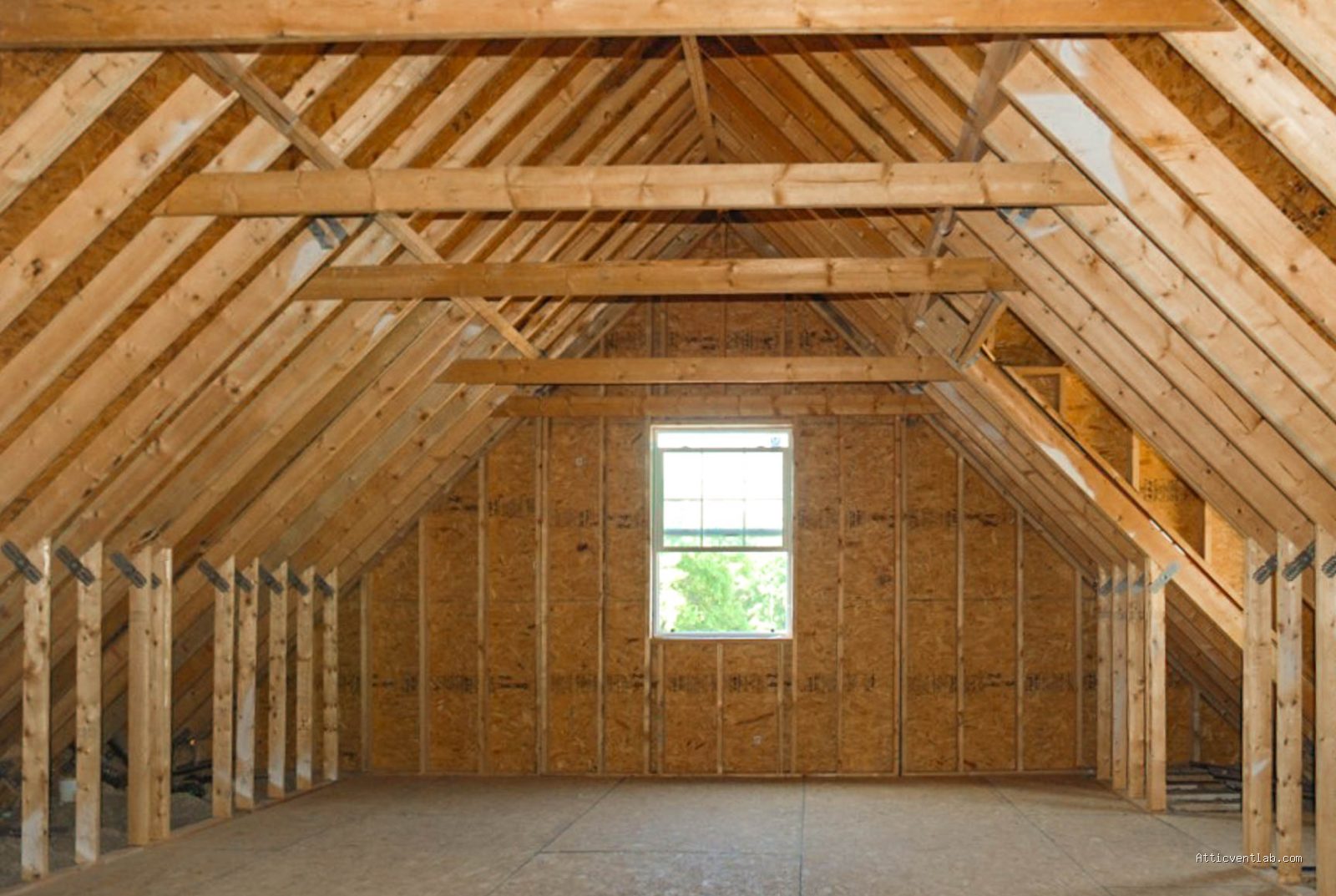
Atticventlab.com – Tracing a hidden roof leak requires a systematic approach of identifying interior water stains on attic rafters, tracking the moisture path upward against gravity, and correlating the interior location with exterior roofing defects like cracked shingles or compromised flashing.
The Anatomy of a Roof Leak
Water rarely enters a home directly above where a drip appears on the floor. Due to the pitch of rafters and the presence of underlayment, water often travels several feet—or even yards—along the framing members before finding a low point to drop. When you see a water stain on an attic rafter, you are looking at the destination, not the entry point. The key to successful identification is understanding that water follows the path of least resistance, which is usually along the underside of roof decking or the top edge of a rafter.
Initial Attic Inspection
Start your search in the attic during daylight hours, but do not rely on your eyes alone. Bring a high-lumen flashlight and look for signs of “shiners,” which are roofing nails that missed the rafter during installation. When these nails become cold, they attract condensation, which then drips onto the insulation below. If you see dark, discolored wood, that is your starting point. Follow the trail of moisture upward toward the ridge of the roof. If the wood is wet, you are moving in the right direction. If the wood is dry, you have likely passed the leak point.
The Water Testing Method
If the attic is dry during your inspection but you know a leak exists, you may need to replicate the conditions. This is best done with a partner. Have one person stand in the attic with a flashlight while the other stands on the roof with a garden hose. Start at the lowest point of the suspected area and work your way up in small sections. Do not spray the entire roof at once; focus on specific features like pipe boots, chimneys, or valleys. Wait several minutes in each section before moving higher to allow the water enough time to penetrate the layers of shingles and underlayment.
Step-by-Step Guide to Tracing the Leak
- Clear the attic area of insulation near the stain to expose the underside of the roof deck and rafters.
- Mark the exact location of the water stain on the rafter or decking using a permanent marker or chalk.
- Use a tape measure to record the distance of this mark from a known reference point, such as a gable wall or a chimney.
- Go to the roof and measure the same distance from the exterior reference point to locate the general area of the leak.
- Inspect the exterior roofing materials in that specific area, paying close attention to shingle overlaps, nail heads, and flashing seals.
- Check for “wicking” where water might be traveling down a rafter or a nail shank from a higher, undetected opening.
Common Culprits in Roof Leaks
While shingles often take the blame, they are rarely the sole cause of a leak. Most professional roofers find that the primary entry points are where the roof plane meets a vertical surface or where a penetration exists. Pipe boots, which are the rubber seals around plumbing vents, are notorious for cracking after five to ten years of sun exposure. Similarly, step flashing—the L-shaped metal pieces where the roof meets a wall—can rust or pull away from the siding, creating a perfect channel for wind-driven rain to enter the structure.
Comparison of Common Leak Sources
| Leak Source | Common Symptom | Detection Difficulty |
|---|---|---|
| Pipe Boot | Water dripping directly around a vent pipe | Easy (Visible from roof) |
| Step Flashing | Stains on walls near the roofline | Moderate (Requires siding removal) |
| Valley | Water running down rafters near the center | Difficult (Often hidden by debris) |
| Nail Shiners | Small, localized damp spots on rafters | Easy (Visible with flashlight) |
Risks of Ignoring Attic Leaks
The danger of a hidden leak is not just the water itself, but the long-term structural impact on the home. When wood remains damp, it becomes a breeding ground for mold and wood-rotting fungi. Over time, the rafters that hold your roof up will lose their structural integrity, leading to sagging roof lines that are exponentially more expensive to repair than a simple shingle replacement. Furthermore, wet fiberglass insulation loses its R-value, meaning your energy bills will climb as your home loses its thermal efficiency.
Common Mistakes During Inspection
One of the most frequent errors is assuming the leak is caused by a missing shingle. While a missing shingle is obvious, it is often not the cause of an interior leak because the underlayment (the felt or synthetic paper beneath the shingles) serves as a secondary barrier. If water is entering your home, it means both the shingles AND the underlayment have failed. Another mistake is sealing the wrong area. Do not simply apply caulk over a wide area, as this can trap water behind the shingles and force it to migrate to other, previously healthy parts of the roof.
Safety Considerations
Always prioritize safety when performing roof inspections. Never walk on a roof that is wet, steep, or covered in debris. If you are not comfortable working at heights, hire a professional roofing contractor who has the proper insurance and equipment. A fall from a roof is a life-altering event; no DIY repair is worth the risk. If you must go up, use a high-quality harness system and ensure your ladder is secured to the structure of the house.
Frequently Asked Questions
Q: Can I use roof cement to fix a leak permanently?
A: Roof cement is generally a temporary fix. It is prone to cracking as the house expands and contracts with temperature changes. A permanent repair usually requires replacing the damaged flashing or shingles.
Q: Why does my roof leak only when it is windy?
A: Wind-driven rain can push water horizontally under shingles that are otherwise perfectly fine. This usually indicates that the underlayment is either missing, torn, or installed improperly at the lap joints.
Q: How do I know if the leak is from condensation rather than rain?
A: Condensation usually appears on all rafters or metal components simultaneously during cold weather, whereas a roof leak is typically isolated to one or two specific rafters and appears shortly after rain events.
📷 Photo by terredehauttourisme.com
1 comment