
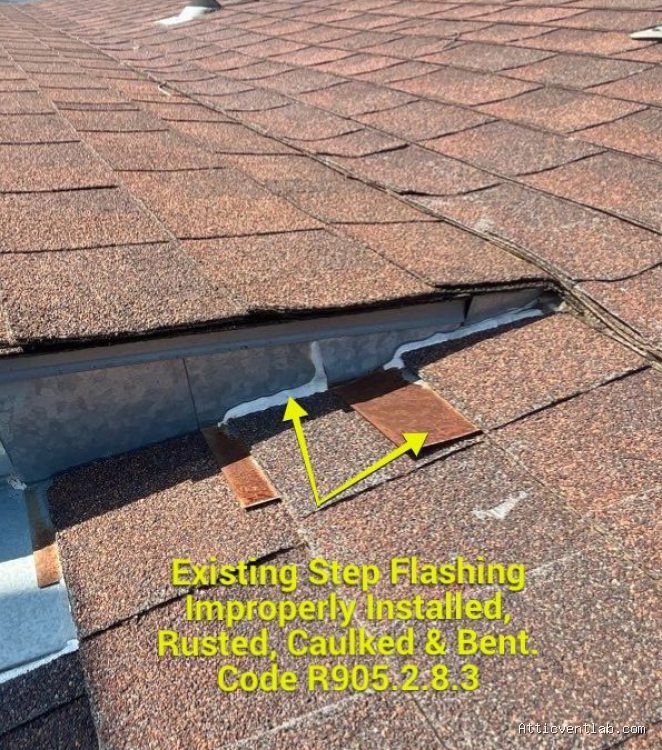
Atticventlab.com – Step flashing rust behind stucco walls is primarily caused by moisture infiltration through compromised sealants or cracks, which leads to oxidation that can spread to the roof deck and structural framing if left unaddressed. Replacing this damaged flashing requires a precise, multi-step process of removing the stucco, extracting the corroded metal, and installing new corrosion-resistant flashing with proper integration into the building’s water-resistive barrier.
The Mechanics of Hidden Corrosion
Stucco is a durable siding material, but it is not inherently waterproof. When the sealant between the stucco and the roofline—often called the “kick-out” or “counter-flashing” area—begins to degrade, water enters the space behind the exterior finish. This creates a trapped environment where moisture sits against the metal step flashing. Over time, the protective galvanized coating on the flashing breaks down, leading to surface oxidation that eventually eats through the metal.
The danger is that you cannot see this process occurring until the damage is severe. By the time water stains appear on the interior ceiling or rot is detected in the roof sheathing, the flashing may have been leaking for years. The alkaline nature of stucco can also accelerate the corrosion of certain metals if they are not properly separated from the cementitious material.
Common Causes of Flashing Failure
Most failures occur due to installation errors rather than material quality. One common mistake is the lack of a proper kick-out flashing at the bottom of the roof-to-wall transition. Without this, water is directed directly into the stucco wall rather than away from it. Additionally, if the flashing is not tucked properly behind the building paper or if the stucco is applied directly over the metal without a separation layer, moisture will inevitably cause rust.
Comparison of Flashing Materials
When replacing rusted flashing, choosing the right material is critical to preventing future issues. Below is a comparison of common materials used in modern construction:
| Material | Corrosion Resistance | Best Use Case |
|---|---|---|
| Galvanized Steel | Low to Moderate | Standard installations with perfect seal maintenance |
| Aluminum | High | General roofing and stucco transitions |
| Copper | Excellent | High-end, long-term historic or custom homes |
| Stainless Steel | Superior | Coastal areas or high-moisture climates |
Step-by-Step Replacement Process
Replacing step flashing behind stucco is labor-intensive because it requires opening the wall. You must be prepared to patch the stucco finish once the metal work is complete. Follow these steps to ensure a watertight installation:
- Carefully remove the stucco in the affected area using a masonry saw or hammer and chisel. Ensure you expose enough of the wall sheathing to access the building paper and the top edge of the old flashing.
- Extract the rusted step flashing pieces by lifting the roofing shingles and sliding the metal out. Be careful not to damage the underlying roof felt or ice and water shield.
- Inspect the roof deck for wood rot. If the sheathing is soft or crumbling, it must be replaced before installing new flashing, as rust often spreads to the wood fibers.
- Install new, corrosion-resistant flashing. Each piece should overlap the one below it by at least two inches, and the top edge must be tucked behind the house wrap or building paper.
- Seal the integration point between the new flashing and the building paper using a high-quality flashing tape or compatible sealant.
- Re-apply the stucco, ensuring a proper gap is left for backer rod and exterior-grade sealant at the transition point between the metal and the stucco finish.
Signs You Have a Hidden Leak
While you cannot see behind the stucco, certain external signs act as red flags. If you notice efflorescence—a white, powdery substance—on the stucco near the roofline, it is a sign that moisture is moving through the wall. Dark streaks or crumbling stucco at the base of a chimney or a dormer are also classic indicators of water penetration. If the stucco feels soft or “hollow” when tapped, the wood framing behind it may already be compromised by rot.
Preventive Maintenance Tips
The most effective way to prevent rust behind stucco is to manage the sealant. Inspect the joint where the roof meets the stucco at least once a year. If the caulk is pulling away, cracking, or missing, it must be removed and replaced immediately. Never use standard silicone caulk if the manufacturer recommends a specific polyurethane sealant for stucco-to-metal transitions. Proper compatibility prevents the sealant from failing prematurely due to the chemical reaction with the stucco’s lime content.
Risk Factors and Long-Term Damage
Ignoring rusted flashing leads to structural instability. Once the roof sheathing rots, the shingles lose their fastening point, leading to larger roof leaks. Furthermore, moisture trapped behind stucco can lead to mold growth inside the wall cavity, which can eventually impact the indoor air quality of the home. Replacing flashing is significantly cheaper than replacing a structural roof section or remediating mold.
Frequently Asked Questions
Q: Can I just caulk over the rusted area to stop the leak?
A: No, caulking over rust is a temporary fix that traps moisture against the metal, accelerating the corrosion process and potentially pushing water further into the wall assembly.
Q: Do I need to hire a professional for this repair?
A: Because this project involves both roofing and stucco repair, it is highly recommended to hire a professional. Improperly integrating the flashing with the building paper can create a larger leak than the one you started with.
Q: How long should new flashing last?
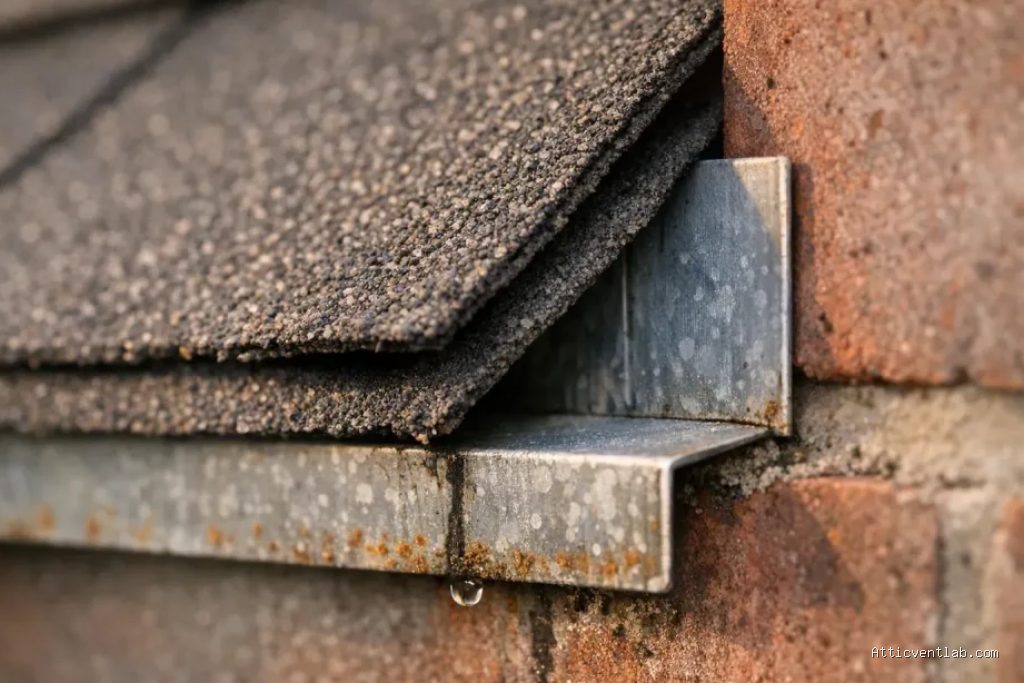
A: If installed correctly using high-quality aluminum or stainless steel, the flashing should last as long as the roof itself, provided the exterior sealants are maintained regularly.
Final Considerations
When dealing with stucco, always prioritize the “drainage plane.” The goal of any flashing installation is to ensure that any water getting behind the stucco is directed back out to the roof surface. If your flashing replacement interrupts this flow, or if you fail to maintain the exterior seal, the cycle of rust and rot will inevitably return. Invest in quality materials and professional installation to protect your home’s structural integrity for the long haul.
📷 Photo by rhodenroofing.com