

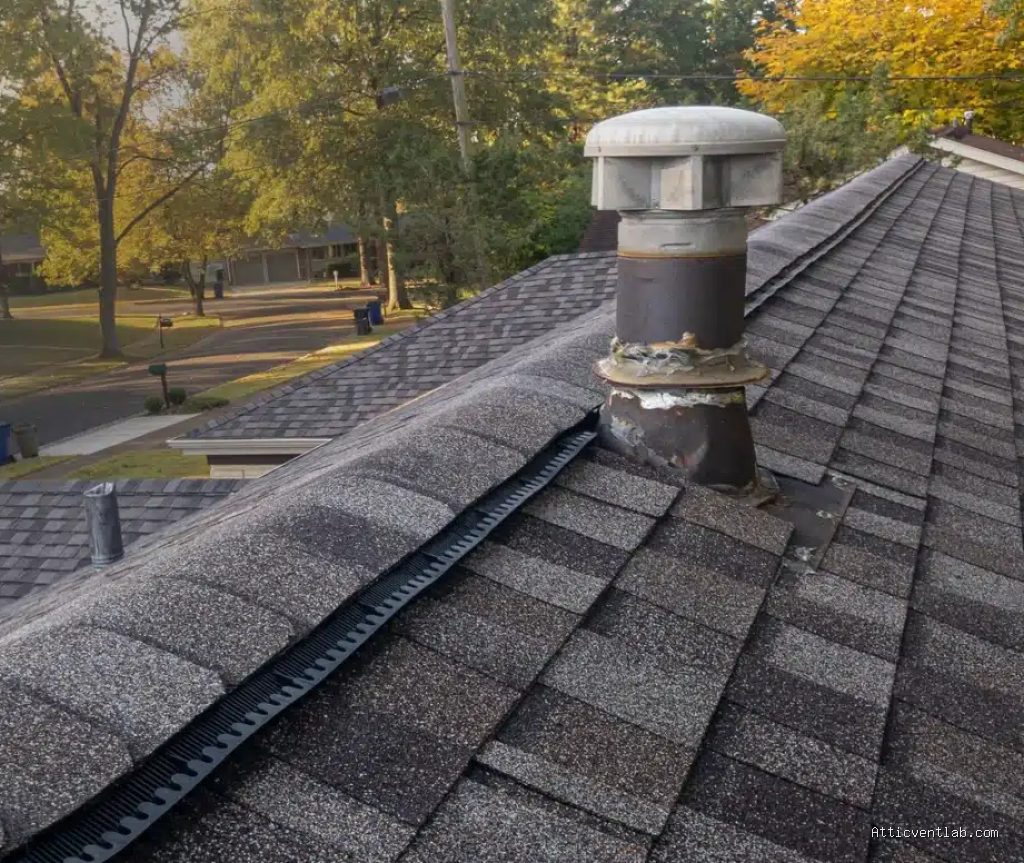
Atticventlab.com – A ridge vent slot cut too narrow restricts essential airflow, leading to trapped heat and moisture that drastically shortens the lifespan of your shingles and causes structural rot. This critical installation error prevents the attic from “breathing,” turning your roof deck into a pressure cooker during summer and a frost-prone zone during winter.
Understanding the Mechanics of Proper Ventilation
Roof ventilation relies on a balanced system: cool air enters through the soffit vents at the eaves and warm, moist air exits through the ridge vent at the peak. When a roofer cuts the slot too narrow, they create a bottleneck. The air cannot escape fast enough, which leads to a buildup of heat in the attic space. This trapped heat radiates downward, causing your air conditioning system to work harder, and upward, baking the underside of your shingles.
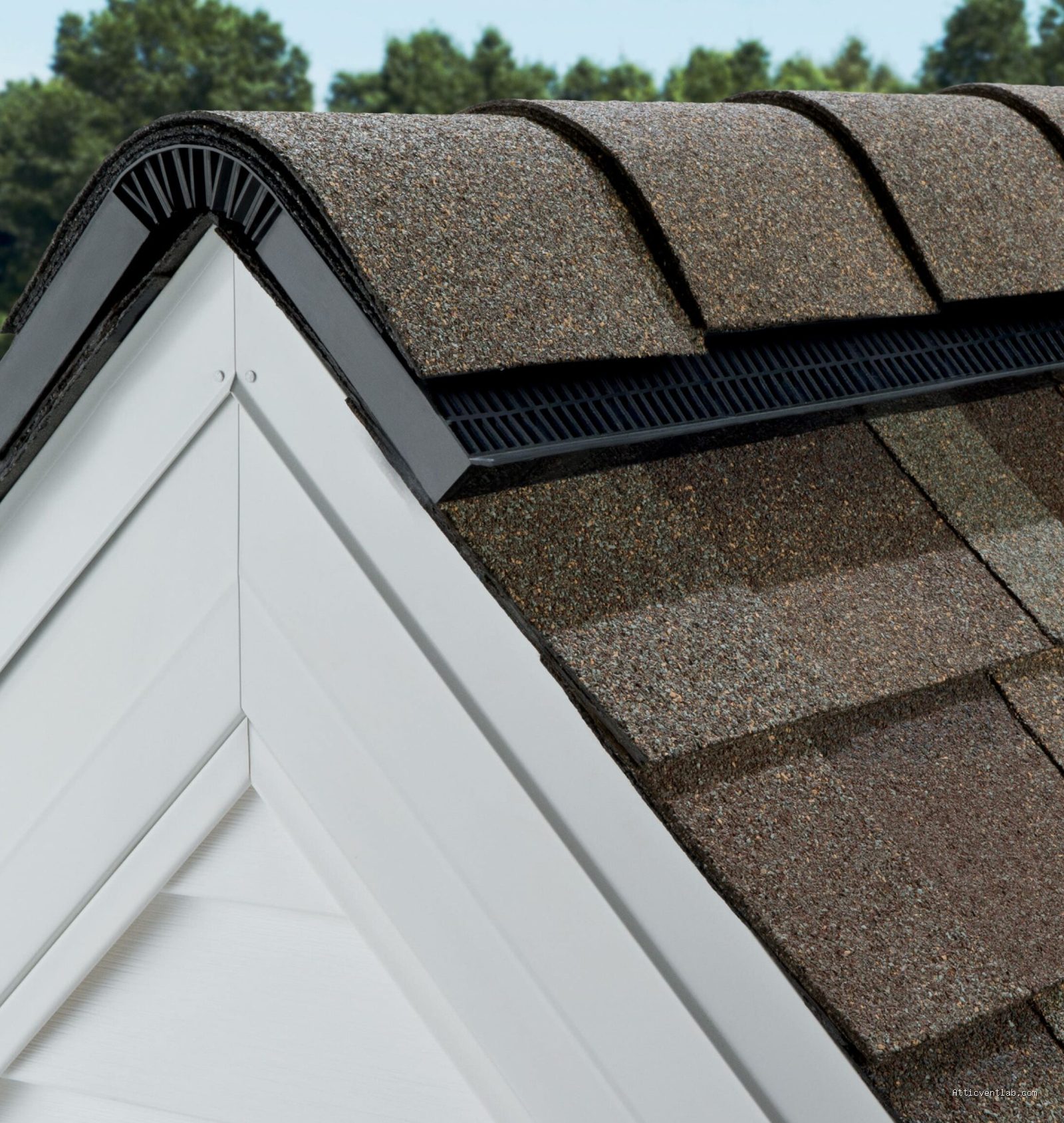
Most manufacturers specify a minimum slot width—usually between 1.5 to 2 inches total—to allow for adequate exhaust. If the slot is only half an inch or is obstructed by excessive wood, the entire ventilation system fails, regardless of how many feet of ridge vent material you have installed on top.
Common Signs of an Insufficient Ridge Vent Slot
Identifying this issue early can save you thousands of dollars in premature roof replacement. The most obvious indicator is the presence of premature granular loss on your shingles. When heat cannot escape, the oils in the asphalt shingles dry out, making them brittle and causing the protective granules to fall off. You may notice these granules accumulating in your gutters.
Another major sign is the development of ice dams during the winter. When warm air is trapped in the attic, it heats the roof deck, melting the snow on the roof even when the outside temperature is below freezing. This melted water runs down to the colder eaves, where it refreezes into an ice dam, forcing water back up under your shingles and into your home.
Practical Checklist for Identifying Ventilation Issues
If you suspect your roof was improperly cut, you can perform a visual inspection or look for these specific environmental cues:
| Symptom | Potential Root Cause | Severity |
|---|---|---|
| Buckled or wavy shingles | Excessive heat buildup | High |
| Mold or mildew on rafters | Trapped moisture/condensation | Critical |
| High energy cooling bills | Restricted exhaust airflow | Moderate |
| Granule loss in gutters | Thermal degradation | High |
Steps to Verify and Rectify the Problem
If you want to determine if your ridge vent slot is the culprit, you must be prepared for a physical inspection. Follow these steps to evaluate the situation safely:
- Access your attic space during a sunny day and look up at the underside of the ridge. If you do not see consistent daylight shining through the entire length of the ridge, the slot is likely blocked or cut too thin.
- Use a flashlight to check for signs of moisture, such as dark water stains on the wood decking or white fuzzy mold growth, which indicate that moist air is being trapped rather than vented.
- Consult a professional roofer to perform a “smoke test” or use an infrared camera to track heat pockets near the ridge.
- If the slot is confirmed to be too narrow, the ridge vent caps must be removed. The roofer will then need to widen the slot using a circular saw, ensuring they do not cut through the structural trusses or rafters.
- Reinstall the ridge vent material according to the manufacturer’s specific width requirements to ensure the system is properly sealed against weather infiltration.
The Hidden Dangers of Neglect
Ignoring a narrow vent slot is a common mistake that homeowners make, often because they cannot see the problem from the ground. Over time, the internal wood deck begins to warp and rot due to constant condensation. This creates a soft, spongy roof deck that is dangerous for workers to walk on and significantly weakens the structural integrity of your home’s top level.
Furthermore, many shingle manufacturers will void your warranty if they determine that improper ventilation caused the premature failure of the product. This means that a small, careless mistake made by a roofer during the initial installation can end up costing you the entire price of a roof replacement years before it should have been necessary.
Preventing Future Installation Errors
The best way to avoid this is to ensure your contractor understands the specific requirements for your chosen ridge vent product. Different brands have different intake and exhaust requirements. Always ask your contractor to show you the manufacturer’s installation guide before they start cutting your roof deck. If they are unwilling to verify the slot width requirements, it is a red flag that they may not be following industry-standard best practices.
Frequently Asked Questions
Q: Can I just cut the slot wider myself?
A: Cutting your own roof deck is extremely dangerous and requires precise knowledge of the structural framing. If you cut too far, you could compromise the structural integrity of your roof, and if you cut unevenly, you risk water leakage; always hire a licensed professional.
📷 Photo by eccroofing.com
Q: Does a narrow slot affect my home insurance?
A: While a narrow slot is an installation defect rather than an insurance claim, it can lead to damage that might be denied coverage if the insurer determines the damage was caused by improper maintenance or faulty workmanship.
Q: How wide should the slot actually be?
A: Most ridge vents require a slot width of at least 1.5 to 2 inches, but you must check the specific technical specifications provided by the manufacturer of the ridge vent product installed on your home.
By staying vigilant and monitoring your attic conditions, you can catch these installation errors before they turn into costly structural repairs. A properly ventilated roof is the foundation of a long-lasting home, ensuring that your investment remains protected against the elements for decades to come.
📷 Photo by weroof.com




Leave a Reply