

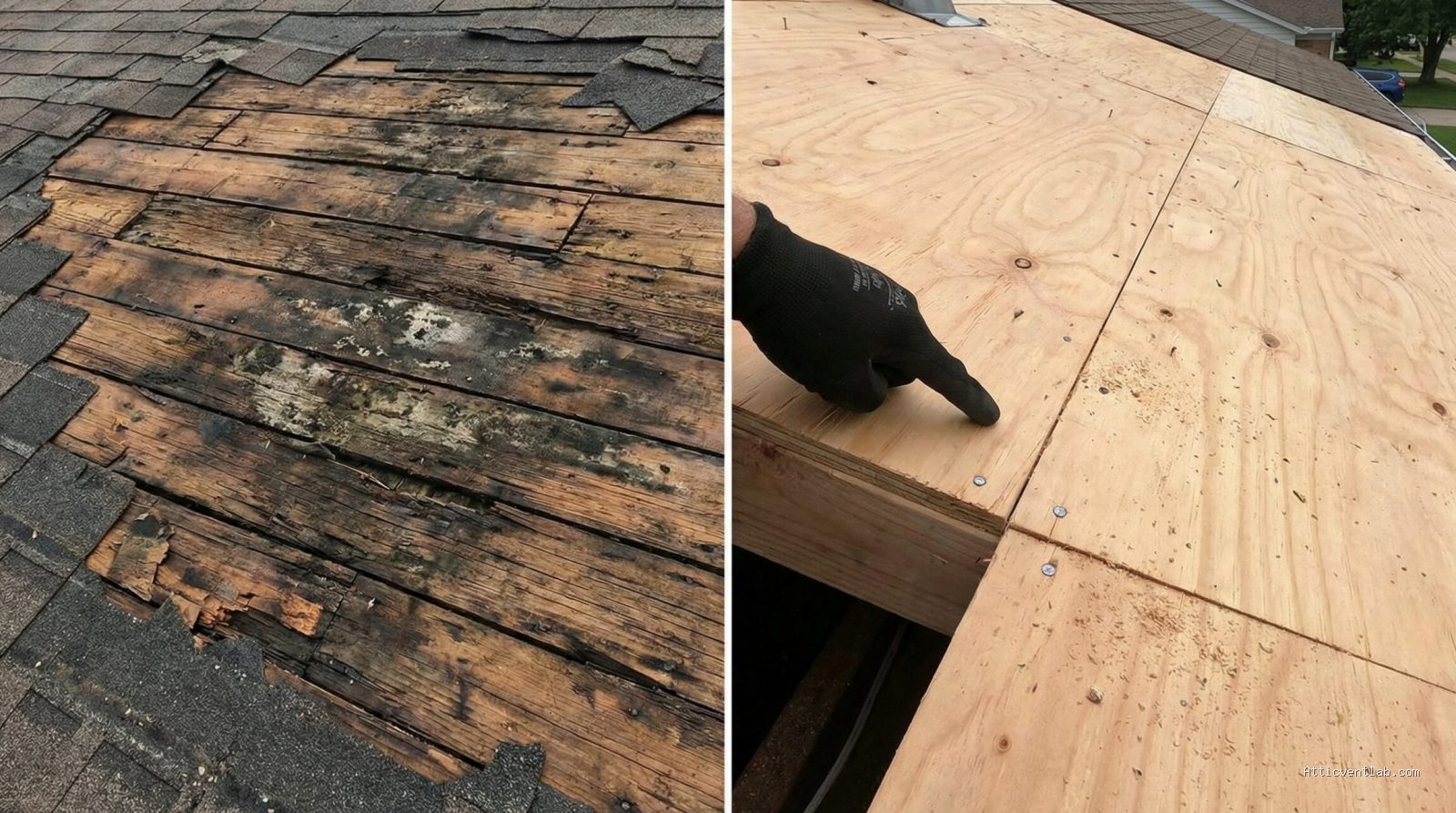
Atticventlab.com – Plywood delamination directly above continuous eave soffit vents is primarily caused by moisture-laden air bypassing the intake path and condensing against the roof deck, often exacerbated by blocked ventilation channels or trapped humidity. This structural failure occurs when the adhesive bonds within the plywood layers break down due to persistent cycles of saturation and drying.
Understanding the Mechanism of Failure
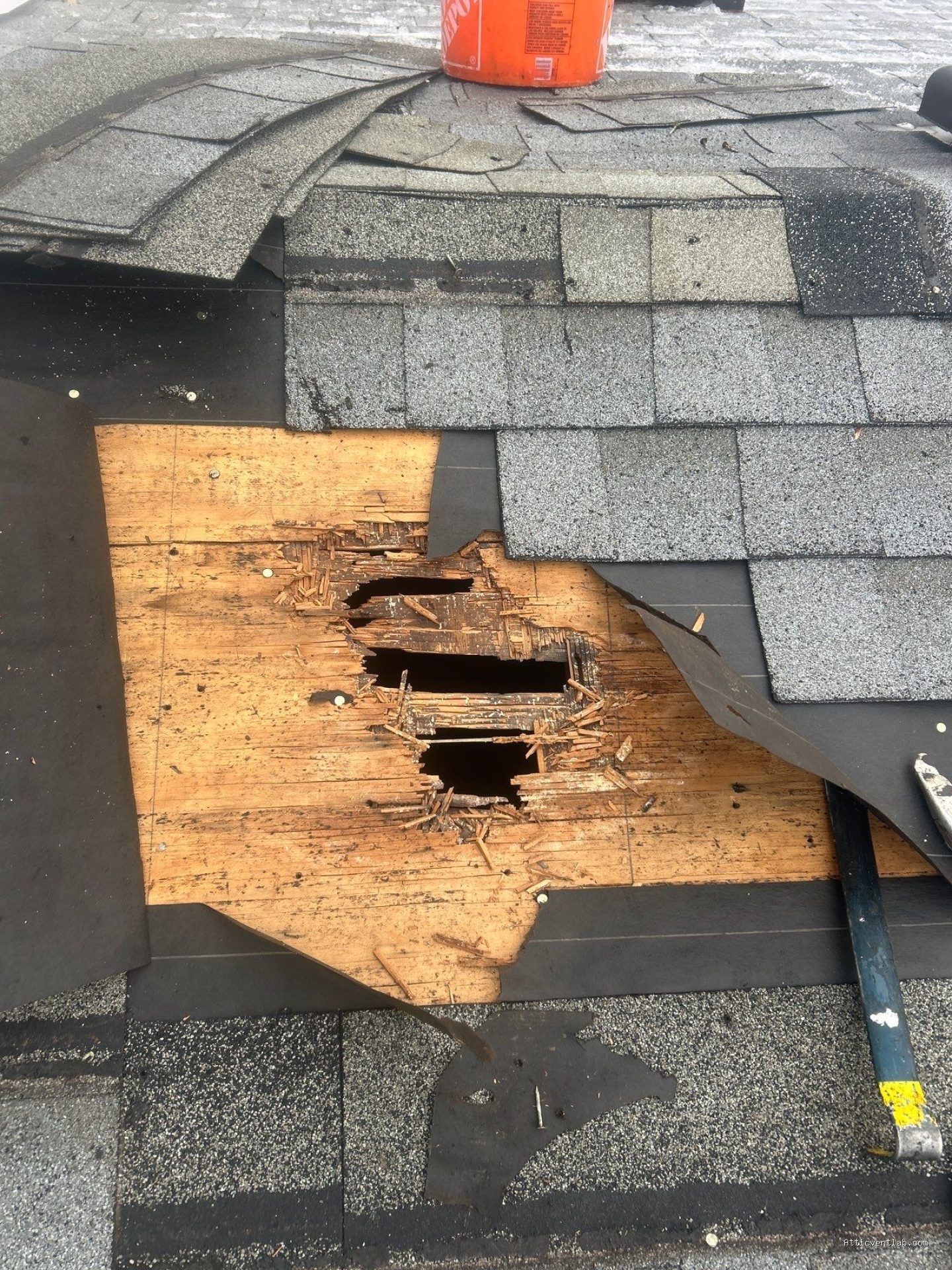
📷 Photo by anchorpointroofing.com
The area where the roof deck meets the soffit is a high-risk zone for moisture accumulation. When a home has continuous eave soffit vents, the intention is to pull cool, dry air into the attic to flush out warm, moist air. However, if the insulation is pushed too far into the eave, or if there are no baffles installed, the intake air may be restricted. This creates a stagnant pocket where condensation forms on the underside of the plywood sheathing.
Over time, this moisture penetrates the outer veneer of the plywood. As the wood expands and contracts with varying temperatures, the glue lines—which are typically water-resistant but not waterproof—begin to fail. The result is the separation of the plywood layers, creating a spongy or bubbled surface that eventually loses its structural integrity.
Common Signs of Delamination
Identifying delamination early can save you from an expensive full roof deck replacement. The first sign is often visual: you may notice the paint on the exterior soffit or fascia beginning to peel prematurely. Inside the attic, look for dark, water-stained patches specifically along the lowest point of the roof slope, right where the rafters meet the exterior wall.
If you have attic access, use a flashlight to inspect the underside of the roof deck. A healthy plywood surface should be relatively smooth. If you see “blistering,” where the top layer of the plywood seems to be lifting or curling, you are looking at early-stage delamination. In more severe cases, you may notice the wood feels soft or spongy when poked with a screwdriver, or there may be visible mold growth spreading outward from the vent area.
Comparison of Ventilation-Related Deck Damage
| Condition | Primary Indicator | Root Cause |
|---|---|---|
| Plywood Delamination | Peeling layers, bubbling surface | Chronic condensation/moisture |
| Wood Rot | Soft, crumbly texture, dark rot | Water intrusion/leaks |
| Thermal Warping | Wavy deck between rafters | Excessive attic heat/poor exhaust |
Risks of Ignoring the Problem
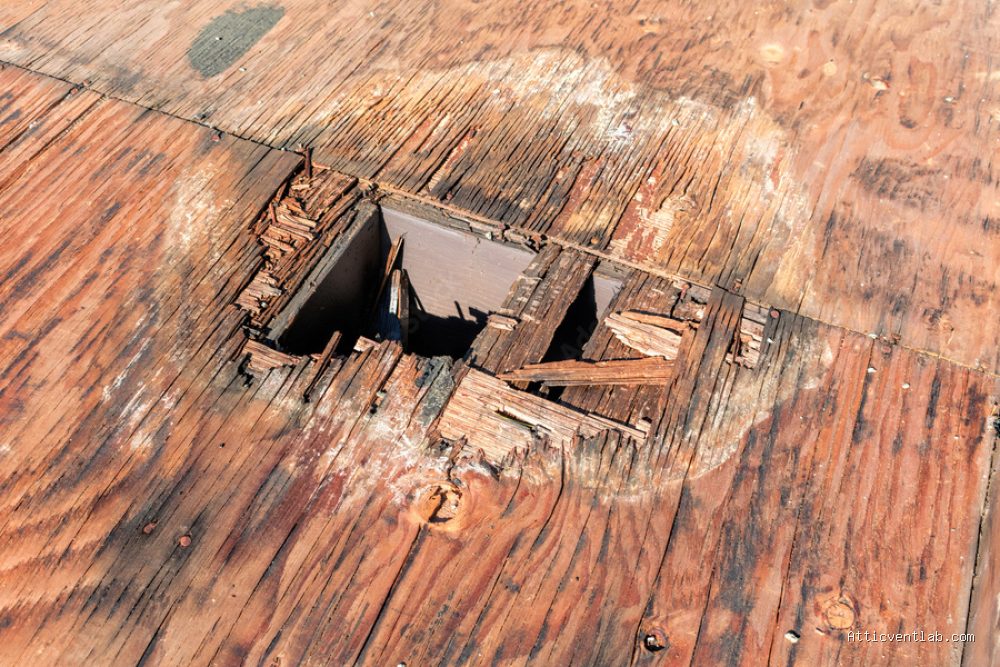
📷 Photo by stock.adobe.com
Ignoring these signs leads to more than just a ruined roof deck. Once the plywood layers separate, the deck loses its ability to hold roofing nails securely. This can lead to shingle slippage during high winds. Furthermore, the compromised wood acts as a sponge, holding moisture that encourages rot and invites wood-boring insects or pests like carpenter ants into your home.
If the delamination is significant, the structural load-bearing capacity of the roof is reduced. In regions that experience heavy snowfall, a delaminated roof deck is at a much higher risk of collapse because the plywood can no longer distribute the weight of the snow evenly across the rafters.
Read also: How to Fit Smart Attic Temperature Sensors to Trigger Automated Venting
Step-by-Step Inspection and Mitigation Guide
If you suspect your roof deck is suffering from moisture-related issues, follow this systematic approach to assess and address the problem:
- Conduct an attic inspection during the early morning hours to check for frost or condensation on the underside of the plywood near the eaves.
- Clear all insulation debris away from the intake vents to ensure a clear airflow path from the soffit into the attic space.
- Install rigid attic baffles (rafter vents) to maintain a channel for air, preventing insulation from blocking the soffit vents.
- Test the deck for structural integrity by gently pressing on the suspect areas with a firm, blunt tool; if it yields easily, the plywood must be replaced.
- Verify that your ridge vent or gable vents are not blocked, ensuring that air can exit as efficiently as it enters.
- Consult a professional roofer to inspect the exterior drip edge and shingle overhang, as these often contribute to water backing up into the soffit area.
Preventative Maintenance Tips
Prevention is significantly cheaper than remediation. Ensure that your bathroom and kitchen fans are vented directly to the outside of the home, rather than terminating in the attic. Many homeowners mistakenly believe that venting into the attic is acceptable, but this introduces massive amounts of water vapor that will inevitably settle on the roof deck near the eaves.
Additionally, check your attic insulation levels. If the insulation is too thick at the perimeter, it will “choke” the soffit vents. Installing a raised baffle system allows you to maintain the required R-value of insulation while keeping the air intake path completely unobstructed.
Frequently Asked Questions
Q: Does painting the underside of the plywood stop delamination?
A: No. Painting the underside of the plywood actually traps moisture inside the wood, which can accelerate the process of delamination rather than fixing the underlying condensation issue.
Q: Can I just patch the delaminated sections?
A: Patching is only a temporary fix. If the underlying ventilation issue is not resolved, the surrounding plywood will continue to delaminate, and the new patch will eventually fail as well.
Q: Is delamination always caused by poor ventilation?
A: While ventilation is the most common cause, it can also be triggered by roof leaks, improper installation of the drip edge, or the use of low-grade plywood that was not rated for exterior moisture exposure.
Taking a proactive approach to attic ventilation is the best defense against structural decay. By maintaining clear airflow and controlling internal moisture sources, you extend the lifespan of your roof deck and ensure the long-term safety of your home.
📷 Photo by peakandvalleyroofing.com


Leave a Reply