

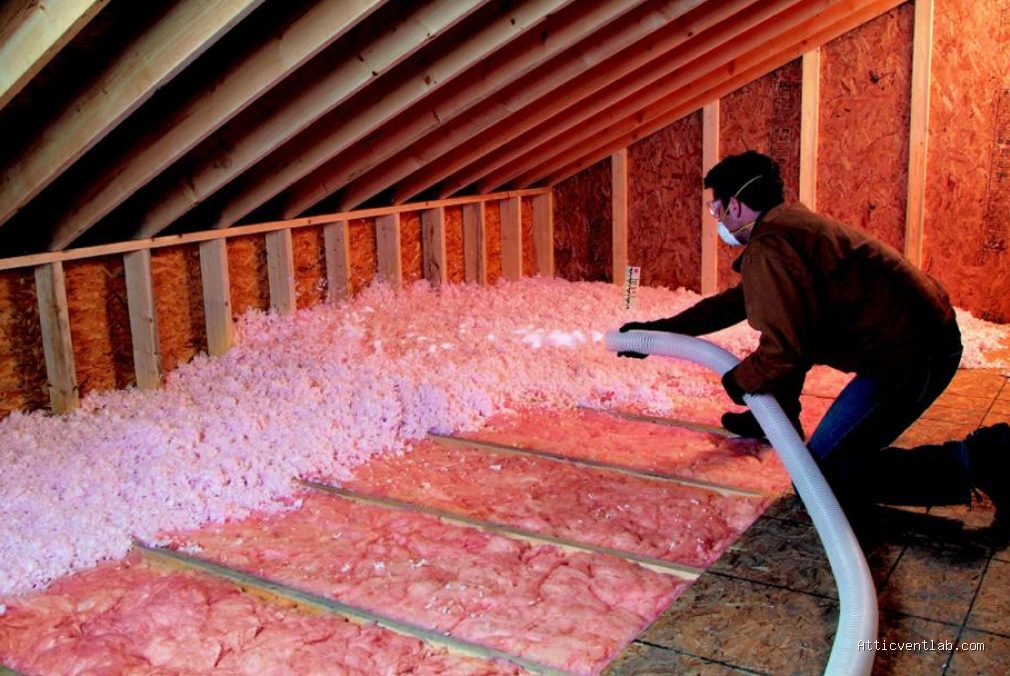
Atticventlab.com – Attic insulation blocks air circulation along the top plates when the insulation material is pushed too far toward the eaves, effectively sealing off the soffit vents and preventing the critical flow of fresh air into the attic space. This obstruction traps moisture and heat, leading to premature roof shingle failure, ice dams, and the growth of mold or wood rot in the attic assembly.
Understanding the Role of the Top Plate and Soffit Vents
The top plate is the horizontal structural member that sits at the very top of your wall framing, where the roof rafters or trusses meet the wall. In a healthy attic, air is designed to enter through intake vents located in the soffits—the underside of the roof overhang—travel along the underside of the roof deck, and exit through ridge vents or gable vents. This “attic chimney effect” relies entirely on an unobstructed path starting right above that top plate.
When insulation is improperly installed or shifts over time, it creates a dam. If the insulation covers the gap between the top plate and the roof deck, the intake air is choked off. Without this air movement, the attic becomes a stagnant environment where temperature and humidity levels fluctuate wildly, often causing the underside of the roof deck to sweat during colder months.
Physical Signs of Airflow Blockage
You do not necessarily need professional diagnostic tools to identify if your ventilation is compromised. Often, the signs are visible from within the attic space or even from the exterior of your home. One of the most common indicators is the presence of frost or condensation on the underside of roof sheathing during the winter. If you see dark staining or moisture beads near the eaves, it is a clear sign that the air is not circulating properly.
Another telltale sign is the appearance of “matted” or compressed insulation directly over the top plates. Over time, moisture from the interior of the house can migrate into the attic and settle into the insulation near the eaves. This causes the material to lose its loft and efficiency. If you notice that your insulation looks damp or has a darker, discolored appearance near the edges, the ventilation path is likely obstructed.
Consequences of Neglected Attic Ventilation
Ignoring blocked air circulation leads to significant long-term structural damage. The most immediate risk is the formation of ice dams. When warm air is trapped in the attic because it cannot escape through the vents, it warms the roof deck, causing snow on the roof to melt. This water then runs down to the cold eaves, refreezes, and backs up under the shingles, leading to interior leaks.
Read also: How to Anchor Step Flashing Beneath Fiber Cement Hardie Board Siding
Furthermore, excess moisture in the attic creates a breeding ground for mold and mildew. These fungi can compromise the structural integrity of the roof decking and rafters. Over time, the constant cycle of heating and cooling caused by poor ventilation also shortens the lifespan of asphalt shingles by baking them from the underside, which can void manufacturer warranties.
Comparison of Insulation Impacts on Ventilation
| Insulation Type | Risk of Movement | Impact on Airflow |
|---|---|---|
| Blown-in Fiberglass | High (prone to shifting) | High risk of blocking soffits |
| Blown-in Cellulose | Medium (heavier, settles) | Moderate risk if overfilled |
| Fiberglass Batts | Low (if secured) | Low risk unless placed too far |
| Spray Foam | None (adhered) | Zero (if installed correctly) |
Step-by-Step Guide to Restoring Airflow
If you have identified that your insulation is blocking the top plates, you must act to restore the ventilation path. Follow these steps to ensure your attic can breathe again:
- Clear the area: Safely access your attic and use a flashlight to inspect the eaves. Locate the soffit vents and identify where the insulation is touching the roof deck.
- Install baffle vents: Purchase rigid plastic or cardboard attic baffles (also known as rafter vents). These are designed to create a physical channel that prevents insulation from touching the roof deck while maintaining a pathway for air.
- Install the baffles: Slide the baffles into the space between the rafters, starting from the soffit and extending at least two feet past the top plate into the attic. Staple or nail them securely to the rafters or the roof deck.
- Rake back the insulation: Use a rake or a piece of plywood to gently pull the insulation away from the eaves. Ensure it is leveled out so that it does not slide back into the newly created gap.
- Verify the intake: Check from the outside of the house to ensure the soffit vents are not clogged with debris, paint, or old insulation particles.
Common Mistakes to Avoid
One of the most frequent errors homeowners make is “over-insulating” the attic. While adding more R-value is generally good, it must be done with caution near the perimeter. Adding deep layers of blown-in insulation without installing high-quality baffles first is a recipe for disaster. Never assume that the insulation will “stay where it is put”—especially with lightweight blown-in materials that can shift due to wind gusts entering through the soffits.
Another mistake is blocking the soffit vents from the outside. Some homeowners mistakenly believe that closing off these vents will keep the attic warmer during winter. This is incorrect; the attic should remain as close to the ambient outdoor temperature as possible to prevent condensation and ice damming. Always ensure your ventilation strategy prioritizes airflow over temperature retention.
FAQ: Attic Ventilation and Insulation
Q: Can I just remove the insulation from the eaves entirely?
A: While this would improve airflow, it would leave the top plate of your exterior walls uninsulated, leading to significant heat loss and cold drafts in the rooms below. You must use baffles to maintain insulation coverage while keeping the air channel open.
Q: How often should I check my attic for insulation blockage?
A: It is recommended to perform a visual inspection at least once every two years, or whenever you have work done in the attic, such as electrical or plumbing repairs, as these activities often lead to insulation being stepped on or moved.
Q: Does the material of the baffle matter?
A: Yes. Rigid plastic baffles are generally more durable and moisture-resistant than cardboard versions, making them a better long-term investment for preventing future blockages.
Maintaining the Balance
The goal of any attic assembly is to maintain a balance between thermal resistance and ventilation. By ensuring that the top plates remain clear and that air can freely move from the soffits to the exhaust vents, you protect your home from the most common and expensive attic-related damages. If you are uncomfortable working in your attic, consult with a professional insulation contractor who can install baffles and ensure your attic ventilation meets current building codes.
📷 Photo by genpromedia.com


1 Comments
[…] Read also: Signs of Attic Insulation Blocking Air Circulation Along the Top Plates […]