

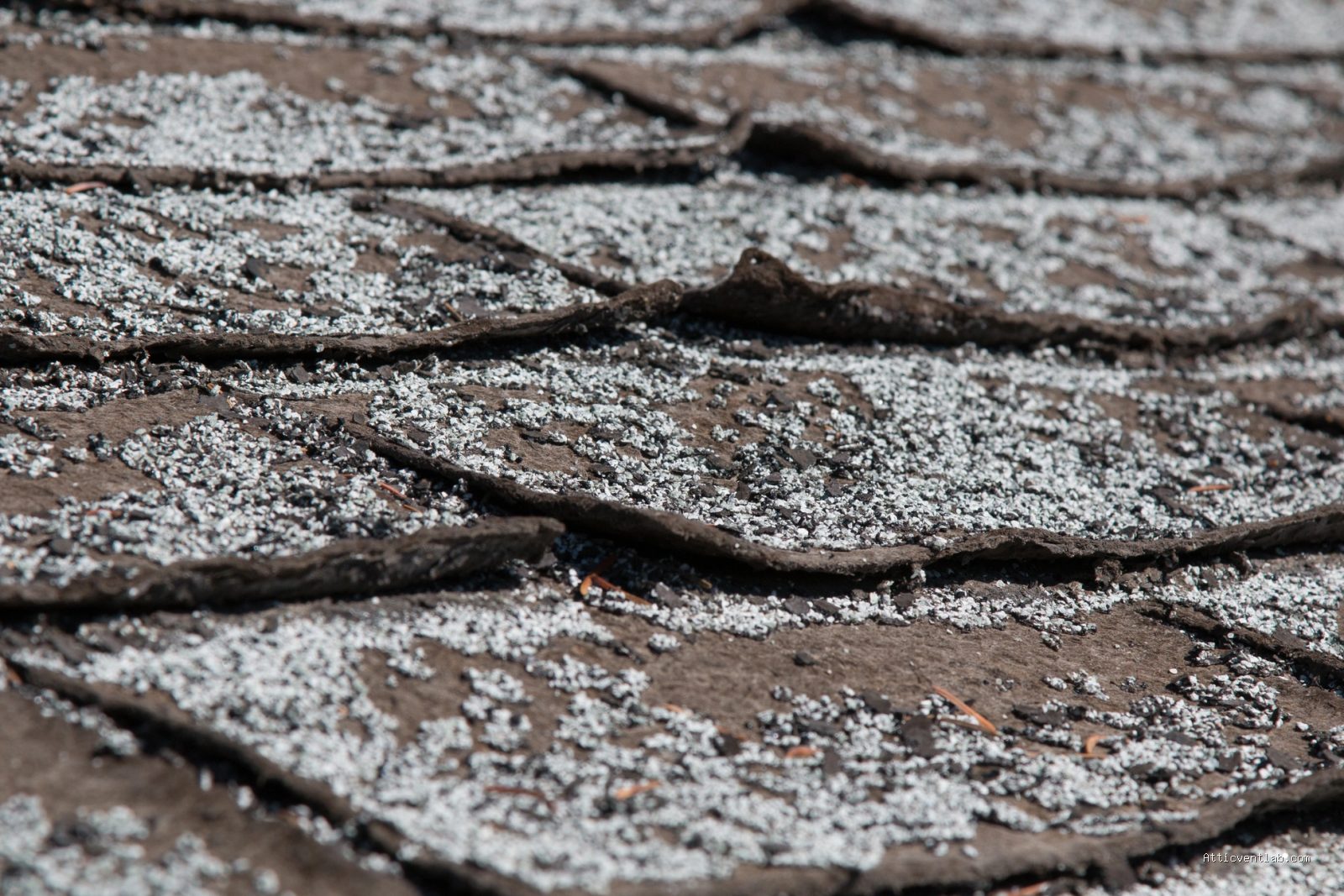
Atticventlab.com – Asphalt shingles curl prematurely above unventilated attic pockets because trapped heat and moisture create a thermal imbalance that accelerates the degradation of the shingle’s asphalt core and adhesive bond. This specific localized damage occurs when stagnant air pockets prevent the roof deck from cooling down, causing the shingles to bake from the underside while facing external weather elements.
The Mechanics of Thermal Stress
Asphalt shingles are designed to withstand significant temperature fluctuations, but they rely on a balanced temperature profile to maintain their structural integrity. When an attic space lacks proper intake and exhaust ventilation, hot air becomes trapped in the highest points of the roof structure. These unventilated pockets, often found in corners, hip junctions, or areas blocked by attic insulation, act like a convection oven.
The heat radiating from the roof deck softens the asphalt bitumen within the shingles. Simultaneously, moisture trapped in the attic space can migrate into the roof decking, causing the wood to expand and contract. This constant cycle of thermal expansion and moisture-related movement forces the shingle to lose its flexibility. Eventually, the shingle loses its ability to lay flat, and the edges begin to curl upward, exposing the underlying roofing felt and fasteners to the elements.
Signs Your Roof Is Suffering from Ventilation Issues
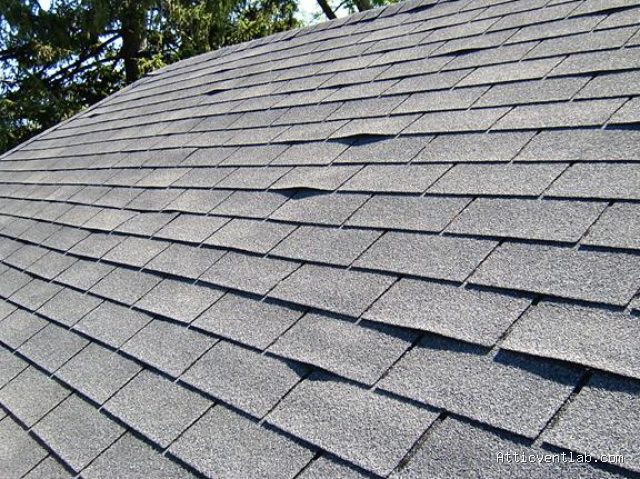
Early curling is rarely an isolated aesthetic issue; it is a symptom of a deeper systemic failure in your home’s building envelope. Homeowners should look for specific indicators that point toward ventilation-related degradation rather than simple aging. If you notice curling shingles, check the following:
- The curling is concentrated in specific areas rather than being uniform across the entire roof surface.
- The underside of the roof deck appears damp or shows signs of dark staining or mold growth.
- The attic space feels noticeably hotter or more humid than the living areas of the house during the summer months.
- Ice dams consistently form in the same locations during winter, indicating heat loss from the attic into the roof deck.
Comparative Analysis of Curling Factors
| Factor | Impact on Shingle Life | Severity of Curling Risk |
|---|---|---|
| Poor Intake Ventilation | High | Critical |
| Excessive Insulation Blocking Vents | High | Critical |
| High Attic Humidity | Medium | Moderate |
| Poor Attic Exhaust | High | Critical |
The Role of Moisture and Condensation
It is a common misconception that heat is the only culprit. Moisture plays a significant, often overlooked role in the premature curling of asphalt shingles. In unventilated pockets, moisture from bathroom fans, kitchen activities, or simple household respiration gets trapped. As this moisture rises, it condenses on the underside of the cold roof deck during the night.
When the sun rises, the deck heats up, and that moisture is forced upward toward the shingle base. This creates a “steam-cooking” effect. Over time, the moisture causes the shingle’s internal fiberglass or organic mat to lose its rigidity. When the mat loses its shape, the shingle physically curls, and no amount of direct sunlight or heat will force it back into a flat position. This is a permanent structural failure of the roofing material.
Corrective Steps for Remediation
If you have identified curling shingles due to ventilation, you must address the root cause before replacing the roofing material, or the new shingles will suffer the same fate. Follow these steps to diagnose and resolve the issue:
- Inspect the soffit vents to ensure they are not blocked by attic insulation, which is the most common cause of restricted airflow.
- Install or clear baffle vents (insulation shields) to maintain a clear channel for air to travel from the soffit to the ridge.
- Verify that your ridge vent is not obstructed by roofing felt or shingles, allowing air to escape freely at the peak of the roof.
- Consult with a professional to calculate the total Net Free Area (NFA) of your attic to ensure your intake and exhaust vents are properly balanced.
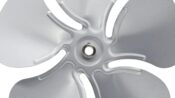
- In areas with complex roof geometry, consider installing power-assisted ventilation or solar-powered attic fans to move air out of stagnant pockets that passive ventilation cannot reach.
Common Mistakes in Attic Ventilation
Many homeowners attempt to fix curling shingles by simply replacing the affected area without addressing the attic. This is a costly mistake. Another frequent error is mixing ventilation types. For example, installing both a ridge vent and gable vents can short-circuit the airflow. In this scenario, the air is pulled through the gable vents rather than the soffit, leaving the lower portions of the roof deck stagnant and vulnerable to heat buildup.
Furthermore, do not rely on “wind turbines” or improper attic fans that are undersized for the square footage of your attic. If the fan is not powerful enough, it creates a false sense of security while the unventilated pockets continue to cook the shingles from below. Always prioritize a balanced intake-to-exhaust ratio over simply adding more mechanical vents.
FAQ
📷 Photo by alpharoofingtexas.com
Q: Can I just nail the curled shingles back down?
A: No. Nailing curled shingles is a temporary fix that will likely lead to leaks, as the nail heads will be exposed and the shingle material itself has already lost its structural integrity and flexibility.
Q: Does the color of my shingles affect curling in unventilated areas?
A: Yes. Darker shingles absorb more solar radiation, which increases the temperature of the roof deck. While ventilation is the primary factor, darker roofs will accelerate the curling process in areas with poor airflow compared to lighter-colored roofs.
Q: How long can I wait to fix ventilation issues once I see curling?
A: You should address it immediately. Once shingles begin to curl, their seal is broken, making them susceptible to wind uplift and water infiltration, which can lead to expensive roof deck rot and interior ceiling damage within a single season.
Read also: How to Retrofit Rectangular Soffit Vents into Solid Wood Eave Overhangs
📷 Photo by tiddsroofing.com


1 Comments
[…] Read also: Why Asphalt Shingles Curl Early Right Above Unventilated Attic Pockets […]