

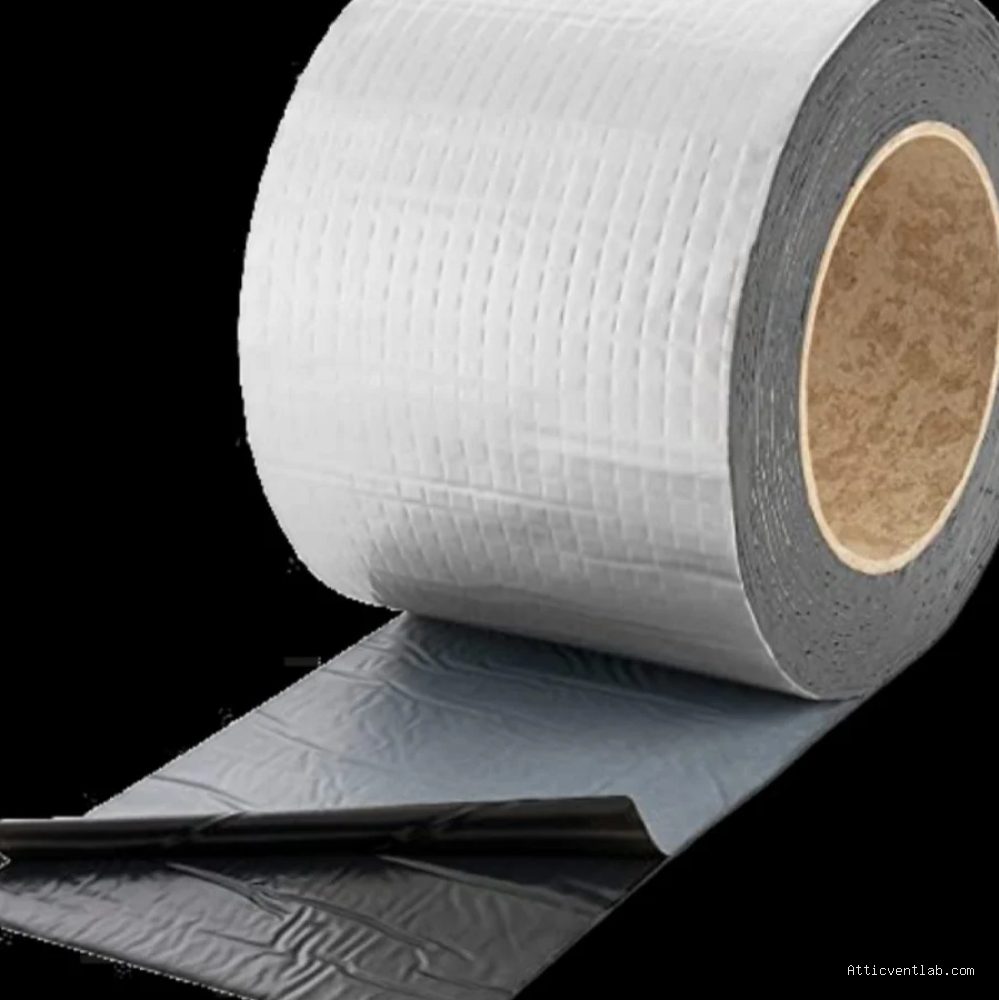
Atticventlab.com – Applying butyl tape underneath metal roof overlap seams requires thorough surface preparation and precise positioning to create a permanent, watertight compression seal that prevents capillary action leaks. The secret lies in ensuring the metal is free of manufacturing oils and that the tape is applied to the lower panel before the overlapping panel is fastened down.
Understanding the Role of Butyl Tape
Butyl tape is a high-tack, synthetic rubber adhesive that remains permanently flexible. Unlike standard silicone or polyurethane sealants, which can dry out, crack, or lose adhesion due to thermal expansion and contraction, butyl tape maintains its elasticity. In metal roofing, it serves as a gasket between two metal surfaces, filling the microscopic gaps where water could potentially be pulled in by wind-driven rain or capillary action.
Preparation: The Foundation of a Leak-Free Seal
Before you even touch the tape, you must address the surface condition. Metal roofing panels often come from the factory coated in a thin layer of protective oil or lubricant. If you apply butyl tape directly over this residue, the adhesive will fail within months, leading to moisture infiltration.
Use a solvent such as denatured alcohol or a specialized industrial degreaser to wipe down the overlap area on both the bottom and top panels. Ensure the surface is completely dry and free of metal shavings or debris. Even a small metal filing can create a “bridge” that prevents the tape from sealing properly, creating a path for water to enter.
Step-by-Step Application Guide
Achieving a clean, professional application requires patience and the right technique. Follow these steps to ensure the bond is airtight:
- Clean the overlap area thoroughly with denatured alcohol and a lint-free cloth to remove all factory oils and metal dust.
- Unroll the butyl tape along the bottom panel, keeping it perfectly centered where the fastener will eventually penetrate the metal.
- Press the tape firmly into the metal surface using your thumb or a small rubber roller to ensure total contact without stretching the tape excessively.
- Leave the protective release paper on the top side of the tape until the very last second before placing the overlapping panel.
- Position the overlapping panel carefully, ensuring it aligns perfectly, then press down firmly to initiate the initial bond.
- Install your roofing screws through the overlap, tightening them until you see a tiny “squeeze-out” of butyl tape, which confirms a perfect compression seal.
Critical Considerations and Best Practices
Read also: Signs of Dry Rot on Soffit Overhangs Caused by Trapped Attic Steam
One of the most common mistakes installers make is stretching the tape during application. Butyl tape has a “memory” and will try to shrink back to its original length if stretched, which causes the seal to pull away from the edges. Always lay the tape down without tension. If you encounter a corner or a transition, cut the tape and overlap it by half an inch rather than pulling it around the bend.
Temperature also plays a vital role. If the metal is extremely cold, the butyl tape will be stiff and lose its tackiness. On cold days, keep your rolls of tape inside a heated truck or near a space heater so they remain pliable and easy to work with. Conversely, in extreme heat, the tape can become too soft and messy, making it difficult to handle.
Comparison of Sealant Methods
Choosing the right material for your overlap seams is essential for the longevity of the roof. The following table compares common sealing methods for metal roofs.
| Method | Durability | Ease of Use | Weather Resistance |
|---|---|---|---|
| Butyl Tape | High (20+ years) | Moderate | Excellent (Flexible) |
| Silicone Sealant | Low (Cracks easily) | Easy | Poor (Thermal stress) |
| Polyurethane | Medium | Moderate | Good (Requires curing) |
| Foam Closures | Medium | Easy | Fair (Air leakage) |
Common Risks of Improper Sealing
Failure to apply butyl tape correctly leads to several long-term structural risks. The most immediate is interior leaking, which can rot roof decking and insulation. However, a more insidious problem is “corrosion at the seam.” When water enters a seam and stays trapped between the two layers of metal, it creates a localized environment for rust to flourish, even on galvanized or coated metal.
Furthermore, if you use the wrong type of sealant, such as an acidic silicone, it can react chemically with the metal coating or the fastener, accelerating the degradation of the roof. Always ensure the sealant or tape is chemically compatible with the metal substrate, particularly if you are working with copper or specialized architectural coatings.
Refining Your Technique
For a truly clean finish, avoid touching the adhesive side of the tape with your bare fingers. The oils from your skin can compromise the adhesive bond. Use the protective release paper as a handle while you lay the tape down. If you need to trim the tape to fit a specific length, use a sharp utility knife dipped in a little bit of water or soapy water; this prevents the sticky butyl from clinging to the blade.
Finally, inspect your fastener tension. If you overtighten the screws, you may push the butyl tape out entirely, leaving the seam vulnerable. The goal is to see a small, uniform bead of butyl emerging from the seam. This indicates that the tape has been compressed just enough to create a gasket, but not so much that you have compromised the integrity of the material.
Frequently Asked Questions
Q: Can I reuse butyl tape if I misalign the panel?
A: No. Once butyl tape is compressed between two metal surfaces, it creates a permanent bond. If you lift the panel, the tape will be compromised, and you must remove it, clean the area again with solvent, and apply a fresh strip.
Q: Does the color of the butyl tape matter?
A: Generally, no. Most butyl tape used in roofing is gray or black, as it is hidden between the panels. The chemical composition is essentially the same regardless of color, provided it is rated for outdoor metal roofing use.
Q: How do I remove excess butyl tape that squeezed out?
A: Let the excess sit for a few hours until it firms up, or use a small ball of the same butyl tape to “dab” at the excess; the sticky material will adhere to itself and pull away cleanly from the metal surface.
📷 Photo by indiamart.com




1 Comments
[…] Read also: How to Apply Butyl Tape Underneath Metal Roof Overlap Seams Cleanly […]