

Atticventlab.com – The best sealant for closed valley flashing joints under asphalt shingles is a high-quality, permanently flexible polyurethane or thermoplastic rubber-based sealant, specifically formulated for roofing applications to withstand thermal expansion and contraction without cracking.
Understanding the Critical Role of Sealants in Closed Valleys
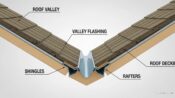
Closed valley flashing is a roofing technique where the shingles from both intersecting roof planes are woven or overlapped across the valley line. Because this area acts as a primary drainage channel for water runoff, the integrity of the joints is paramount. Unlike open valleys that utilize metal flashing exposed to the elements, closed valleys rely heavily on the underlying ice and water shield and the quality of the sealant applied at the overlap.
Using the wrong sealant is a common point of failure. Cheap silicone or standard latex caulks often fail within a few years because they lack the elasticity required to accommodate the constant movement caused by temperature fluctuations. When a roof heats up under direct sunlight and cools down at night, the shingles and the flashing material expand and contract. A rigid sealant will eventually snap, creating a gap where water can penetrate and compromise the roof deck.
Key Characteristics of Professional-Grade Roofing Sealants
When selecting a product, you must prioritize chemical compatibility and physical durability. Asphalt shingles contain oils and bitumen that can degrade certain types of sealants. Therefore, the sealant must be specifically labeled for use with asphaltic surfaces. Look for products that are UV-resistant, as the edges of the valley are often exposed to harsh sunlight, and those that remain flexible even in sub-zero temperatures.
Polyurethane sealants are generally considered the industry standard for this application. They offer excellent adhesion to both the metal flashing underneath and the granular surface of the asphalt shingles. They also possess “joint movement capability,” which allows them to stretch and compress without losing their seal. Thermoplastic rubber sealants are another excellent choice, often preferred for their ability to be applied even in damp conditions, which is a significant advantage during unpredictable roofing projects.
Comparison of Common Roofing Sealant Types
| Sealant Type | Flexibility | Best Use Case | Compatibility with Asphalt |
|---|---|---|---|
| Polyurethane | High | General flashing and valley joints | Excellent |
| Thermoplastic Rubber | Very High | Damp surfaces and high-movement joints | Excellent |
| Silicone | Moderate | Window/Door frames (Not ideal for roofing) | Poor (Loss of adhesion) |
| Asphalt Plastic Cement | Low | Emergency repairs / Shingle tabs | Native |
Practical Application Steps for Closed Valley Joints
Proper application is just as important as the product choice. If the surface is dirty or wet (unless using a moisture-tolerant sealant), the bond will inevitably fail. Follow these steps to ensure a long-lasting seal:
- Clean the area thoroughly by removing all loose granules, dust, and debris from the valley joint where the shingles overlap.
- Ensure the surface is completely dry unless your chosen sealant is specifically engineered for wet-surface adhesion.
- Cut the tip of the sealant cartridge at a 45-degree angle to create a bead size that matches the gap, usually around 1/4 inch.
- Apply a consistent, continuous bead of sealant between the overlapping shingles, approximately 1 inch back from the edge of the shingle.
- Press the shingles firmly into the sealant to ensure full contact across the entire width of the joint.
- Avoid over-applying the sealant, as excessive squeeze-out can trap water or create unsightly “blobs” that disrupt the water flow in the valley.
Common Mistakes and Risks
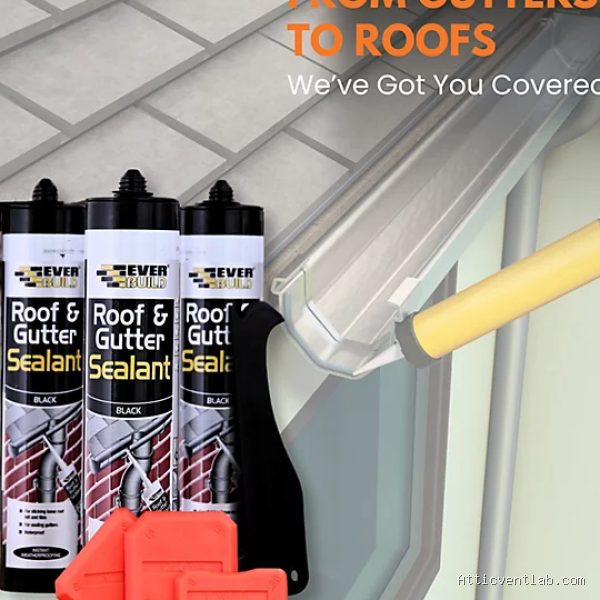
📷 Photo by diy.com
One of the most frequent errors is applying the sealant too close to the very edge of the shingle. If the sealant is visible and exposed to the elements, it will be the first thing to degrade. It should be tucked slightly under the overlap to protect it from direct UV exposure and physical abrasion from ice or heavy debris sliding down the valley.
Another mistake is relying solely on sealant to prevent leaks. Sealant in a closed valley is a secondary line of defense. The primary defense is the underlayment, specifically a high-heat-resistant peel-and-stick ice and water shield. Never use sealant as a substitute for proper flashing installation or to “fix” a valley that was improperly shingled. If the shingles are not woven correctly, no amount of sealant will prevent long-term water intrusion.
Identifying Sealant Failure
Signs of sealant failure in a closed valley include cracked or brittle edges, visible gaps between the shingles and the flashing, or granules accumulating in the valley that seem to be stuck in a decaying adhesive. If you notice signs of water staining on the roof deck or rafters directly beneath the valley during an attic inspection, the sealant has likely failed, and a re-application or shingle repair is necessary.
Frequently Asked Questions
Q: Can I use standard clear silicone from a hardware store for my valley joints?
A: No. Standard silicone does not bond well to the asphalt granules on shingles and will likely peel away within a few months, leaving your roof vulnerable to leaks.
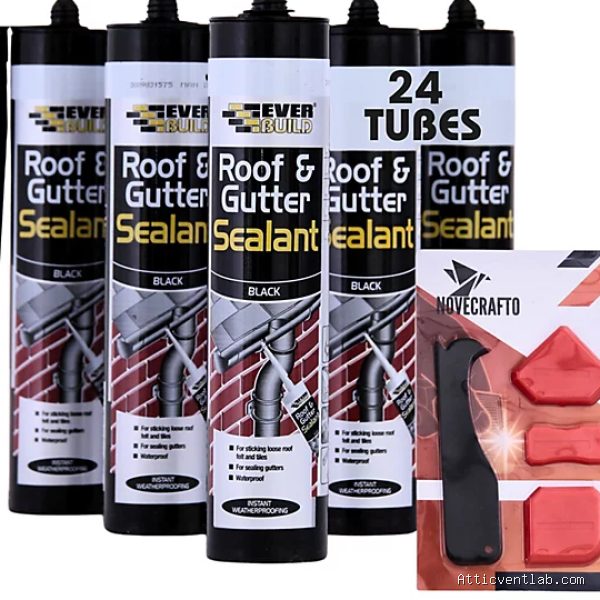
📷 Photo by diy.com
Q: How often should I inspect the sealant in my closed valley?
A: You should perform a visual inspection of your roof valleys at least once a year, preferably after the winter season, to check for signs of cracking or detachment in the sealant.
Q: Is it better to use asphalt plastic cement instead of a polyurethane sealant?
A: While asphalt plastic cement is compatible, it tends to dry out and become brittle much faster than modern polyurethane or thermoplastic rubber sealants, which are designed for long-term flexibility.
By choosing the right material and following the correct application techniques, you can ensure that your closed valley flashing remains watertight for the lifespan of the roof. Always prioritize products that offer high movement capability and UV resistance to stand up to the extreme conditions found on a residential roof.
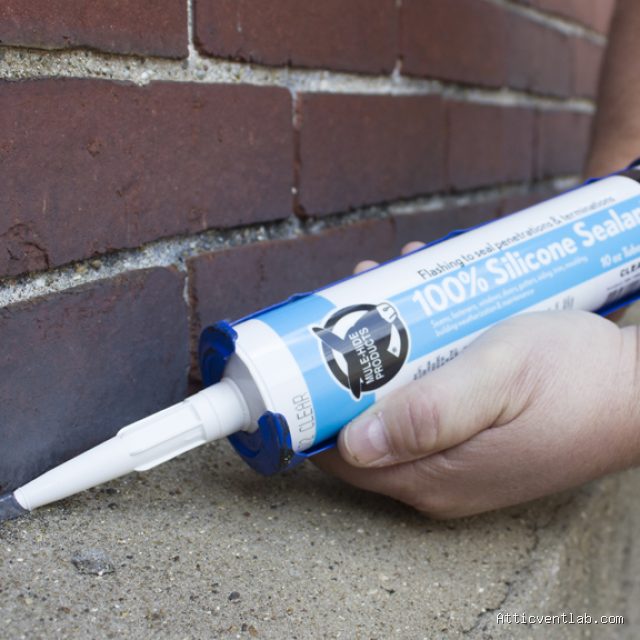
📷 Photo by mulehide.com




Leave a Reply