
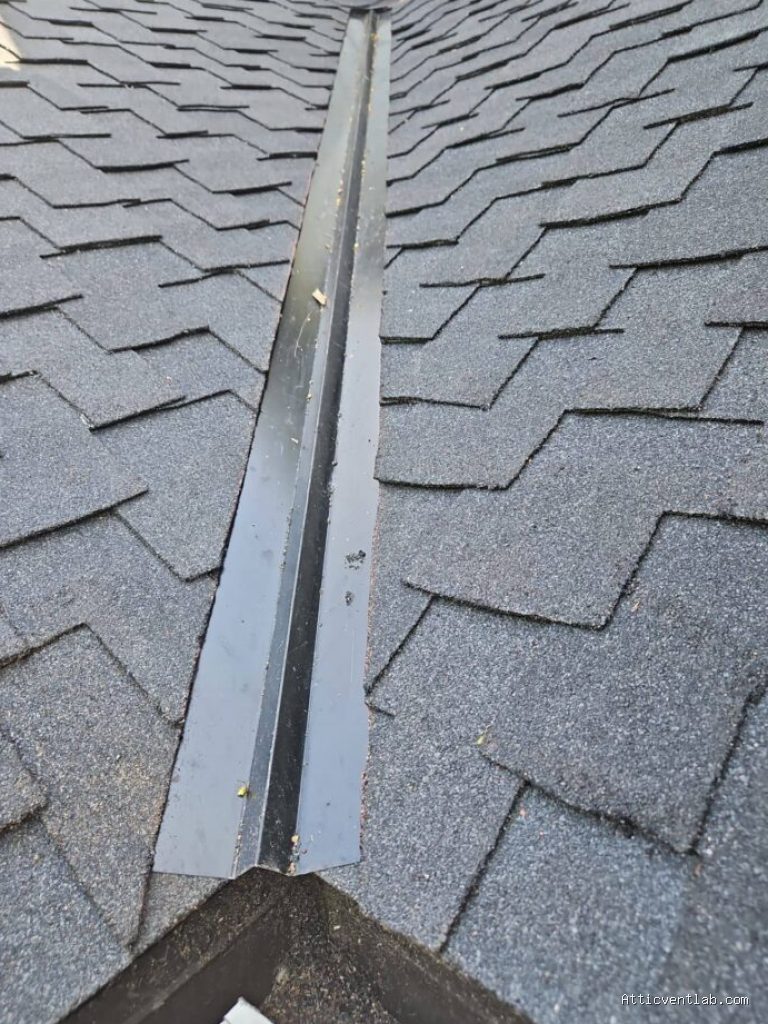
Atticventlab.com – Open valley flashing is clogged when water begins to overflow the metal channel, typically evidenced by interior ceiling stains near the roofline, shingle granule accumulation, or visible trapped organic matter. These blockages force water underneath the shingles, leading to rapid deck rot and structural water damage.
The valley of a roof is the most vulnerable area for water runoff. It acts as a funnel for the entire roof surface, carrying massive volumes of water toward your gutters. When the metal flashing—the specialized channel designed to whisk that water away—becomes obstructed, the consequences are rarely confined to the roof surface alone. Understanding the early warning signs can prevent a minor drainage issue from turning into a full-scale roof replacement.
Identifying the Visual Signs of a Clogged Valley
One of the most common indicators of a clogged open valley is the presence of “water dams.” If you look at your roof from the ground with binoculars, you may notice small mounds of pine needles, leaves, or shingle grit sitting inside the metal channel. These materials act like a sponge, soaking up water and holding it against the roof deck rather than allowing it to flow downward.
Another telltale sign is the discoloration of the shingles immediately adjacent to the metal flashing. If the flashing is backing up, you will often see a distinct “water line” or a dark, mossy growth pattern forming along the edges of the shingles where they meet the metal. This happens because the trapped water keeps the area perpetually damp, creating an ideal environment for algae and moss to thrive.
The Hidden Dangers of Backing Water
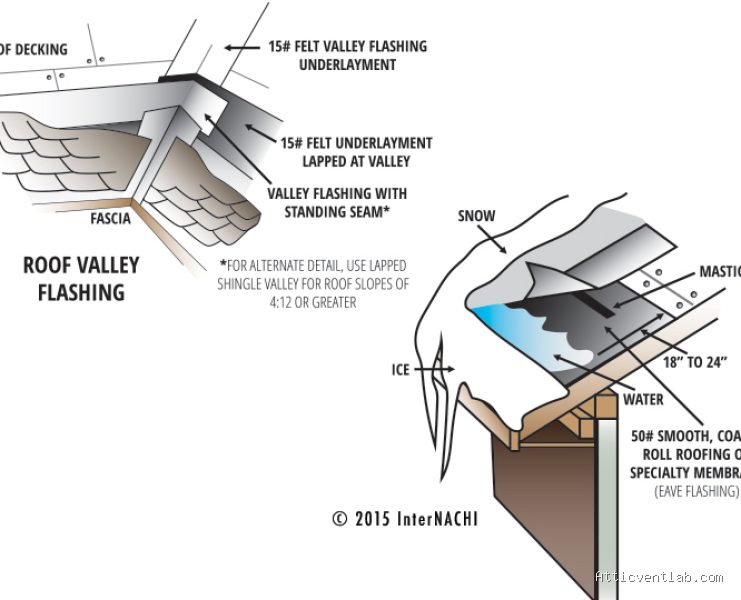
When a valley clogs, water does not just stay on top of the shingles. It searches for the path of least resistance. In many cases, this means water is being pushed laterally under the shingles and onto the underlayment. If the underlayment is aged or if the flashing was not installed with a high-quality ice and water shield, the moisture will penetrate the wood decking.
Over time, this causes the wood to warp and rot. You might notice this from inside your attic by looking for darkened wood, mold growth, or a distinct musty odor. If you see light coming through the roof deck in the valley area or if you notice nails popping upward, the structural integrity of your roof is already being compromised.
Checklist for Valley Maintenance and Inspection
| Inspection Point | What to Look For | Action Required |
|---|---|---|
| Metal Channel | Accumulated silt, grit, or leaves | Clear debris manually |
| Shingle Edges | Curling or signs of rot | Replace damaged shingles |
| Underlayment | Dampness or dark spots | Consult a professional roofer |
| Downspouts | Flow reduction at bottom | Flush with a garden hose |
How to Safely Clear a Clogged Valley
If you are comfortable working on a roof and have the proper safety equipment, you can often clear minor debris yourself. Never attempt this during or immediately after rain, as the metal flashing becomes extremely slippery.
- Secure a sturdy ladder and use a safety harness tethered to a roof anchor.
- Use a soft-bristled broom or a plastic leaf rake to gently sweep debris downward toward the gutter. Avoid using metal tools, as they can scratch or puncture the protective coating of the flashing.
- Once the bulk of the debris is removed, use a garden hose on a low-pressure setting to flush the channel from top to bottom.
- Inspect the flashing for any loose nails or gaps where the shingles meet the metal.
- Check your gutters to ensure the water you just flushed out is actually exiting the system rather than backing up into the soffit.
Common Mistakes That Exacerbate Clogging
A frequent error homeowners make is using a high-pressure power washer to clean valleys. While it is tempting to blast the debris away, high-pressure water can force moisture under the shingles and into the attic, defeating the purpose of the cleaning. Furthermore, it can strip away the protective granules on your shingles, significantly shortening their lifespan.
Another common mistake is ignoring the “drip” factor. If you notice water dripping from the roof edge during a light rain, it is often assumed to be normal. However, if that drip is concentrated specifically at the valley, it indicates that the flashing is failing to channel water properly. Ignoring these small, localized drips is the primary reason why minor leaks escalate into major interior drywall repairs.
Preventative Measures for Long-Term Protection
To minimize future issues, consider trimming back overhanging tree branches. Trees are the primary source of the organic debris that clogs valleys. If you live in an area with heavy tree cover, you may need to perform a biannual inspection of your valleys, once in late autumn after the leaves fall and once in the spring after the pollen and seed drop.
Ensure that your gutters are kept clean. If a gutter is full, the water has nowhere to go when it exits the valley. This creates a “back-pressure” effect, where water pools at the bottom of the valley instead of flowing into the downspout. Keeping the entire drainage system clear is the most effective way to ensure your valley flashing functions as intended.
Frequently Asked Questions
Q: How often should I have my roof valleys professionally inspected?
A: Ideally, you should have your roof inspected once a year by a licensed professional, specifically focusing on valleys and flashing, especially if your home is surrounded by mature trees.
Q: Can I use roof sealant to fix a leaking valley?
A: Applying sealant over a clogged valley is generally a temporary and ineffective fix. It traps existing moisture and prevents the flashing from functioning properly; the blockage must be cleared and the flashing integrity restored first.
Q: What is the biggest risk of ignoring a clogged valley?
A: The primary risk is structural rot of the roof deck and rafters. Once the wood begins to rot, a simple cleaning job turns into an expensive repair requiring the removal and replacement of shingles and wood sheathing.
Maintaining clear valleys is one of the most overlooked aspects of home maintenance. By treating your roof as a system rather than just a collection of shingles, you can identify these blockages before they cause significant interior damage. If you ever feel uncertain about the stability of your roof or the extent of the damage, always prioritize safety and contact a qualified roofing contractor to perform the assessment.
📷 Photo by benjaminbrumfield.com