

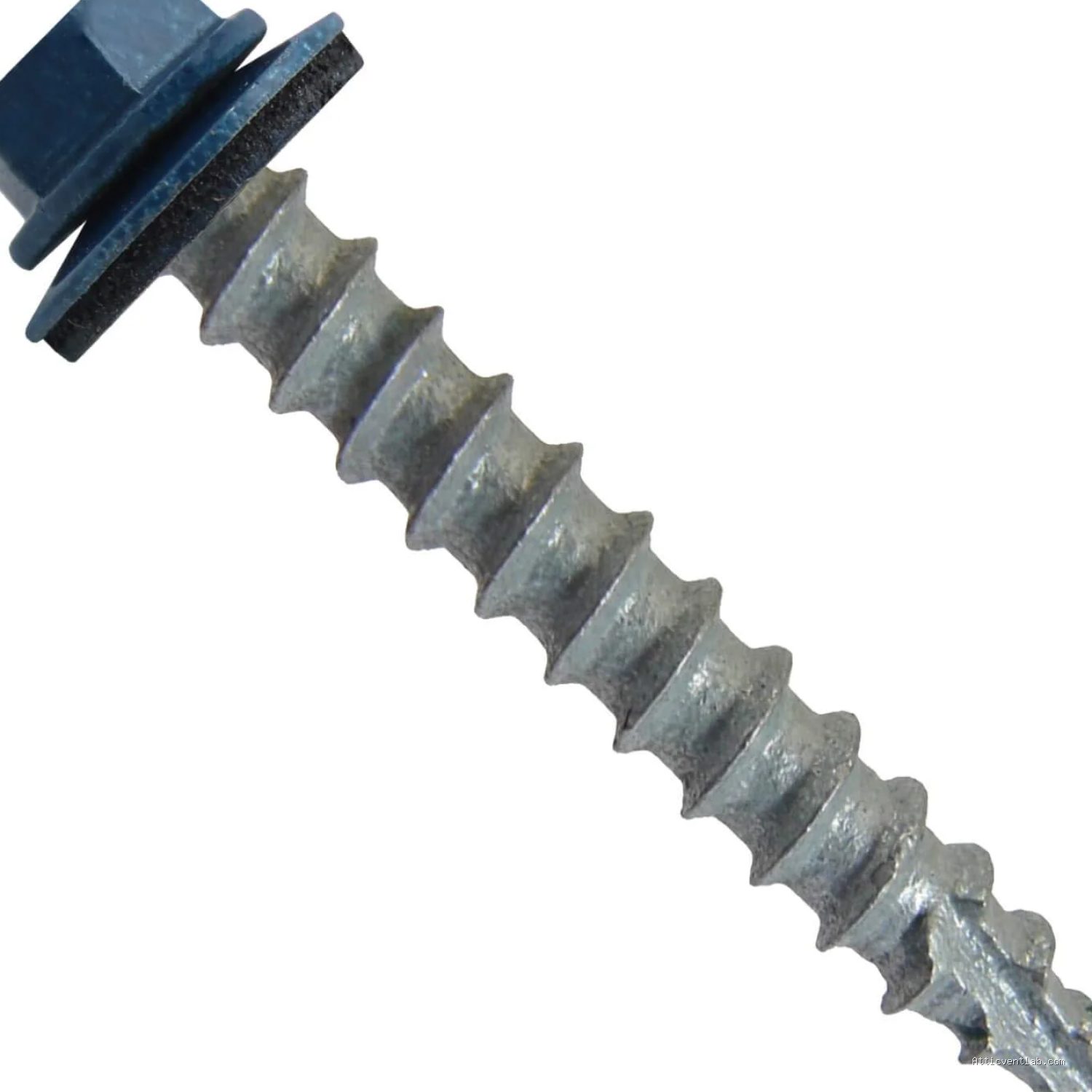
Atticventlab.com – Installing metal roof screws into the rib valley rather than the flat pan is a critical installation error that compromises the building’s weatherproofing by creating a direct pathway for water to bypass the rubber gaskets. This improper placement forces rainwater to pool around the fastener, significantly increasing the risk of premature leaks, rust, and structural water damage.
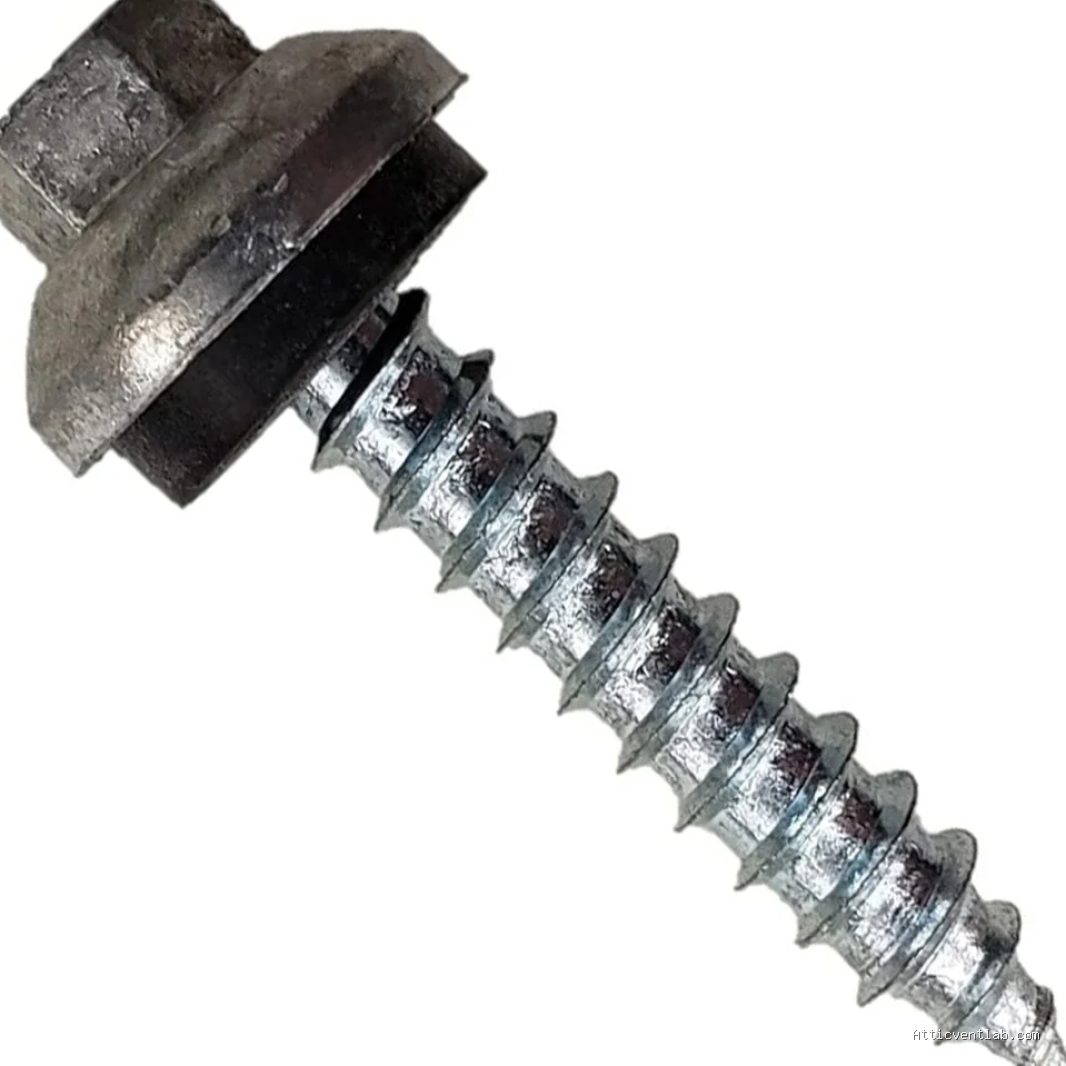
📷 Photo by fastenersplus.com
Understanding the Mechanics of Metal Roofing Fasteners
Metal roof panels are designed to shed water efficiently, but their integrity relies heavily on how they are attached to the substructure. When a contractor fastens a screw, the rubber washer underneath the screw head must create a watertight seal against the metal surface. If the screw is driven into the rib valley—the lowest point of the panel where water flows during a storm—the washer is constantly submerged in water.
Even high-quality EPDM rubber gaskets are not designed to be under constant hydraulic pressure. Over time, these gaskets will dry out, crack, or lose their elasticity. Once the seal fails in a valley installation, water has an unimpeded route directly into the screw hole, leading to leaks that often go unnoticed until they have caused significant damage to the roof decking and attic insulation.
Common Signs of Improper Screw Placement
Identifying this issue early can save thousands of dollars in repairs. One of the most obvious signs is the presence of persistent leaks that seem to occur only during heavy rain, even when the roof appears to be in good condition. If you notice water spots on your attic rafters or plywood sheathing that align perfectly with the location of the roof screws, you likely have a fastener placement problem.
Another indicator is the presence of rust streaks originating from the screw heads. When screws are placed in the valley, the metal around the hole remains damp for longer periods. This constant moisture exposure accelerates the oxidation process, causing rust to bleed down the panel. If you see brown or orange stains spreading from the base of your screws, the integrity of the seal has almost certainly been compromised.
Comparison of Fastener Placement Techniques
| Feature | Valley Installation (Incorrect) | Flat/Rib Top Installation (Correct) |
|---|---|---|
| Water Exposure | Direct, constant immersion | Minimal, shedding environment |
| Seal Longevity | Short (gasket fails under pressure) | Long (gasket remains dry) |
| Leak Potential | High (immediate risk) | Low (secondary defense) |
| Structural Integrity | Weakened by water accumulation | Maintained by proper drainage |
Risks Associated with Valley Fastening
The primary risk of valley fastening is “hidden” water damage. Because the leak occurs at the fastener point, the water often trickles down the shank of the screw and into the wood purlins or decking beneath the metal. By the time you notice a drip on your ceiling, the wood structure may already be suffering from dry rot or mold growth.
Furthermore, improper installation often leads to over-tightening. Installers may attempt to “crush” the washer to stop a leak, but this actually creates a depression in the metal valley. This depression acts as a miniature pond, ensuring that every time it rains, the screw is sitting in a pool of water, effectively accelerating the failure of the seal.
How to Inspect and Correct Fastener Issues
If you suspect your roof has been installed incorrectly, you must perform a thorough inspection. Follow these steps to evaluate the severity of the situation:
- Perform a visual inspection from the ground using high-powered binoculars to identify screws located in the low-lying valleys of the panels.
- Access the attic space during or immediately after a rainstorm to look for active dripping or dampness around the fastener entry points.
- Check the screw heads on the roof surface for signs of loose, cracked, or degraded rubber washers.
- Consult a professional roofer to determine if individual screws can be replaced with oversized “oversize” gasketed screws or if the entire panel needs to be shifted and re-fastened to the top of the ribs.
Common Mistakes During Roof Maintenance
A frequent error homeowners make is applying excessive amounts of silicone sealant over the screw heads after discovering a leak. While this might provide a temporary fix, silicone breaks down under UV exposure and thermal expansion. The metal roof expands and contracts throughout the day, while the silicone remains rigid, eventually pulling away and creating a new gap for water to enter.
Another mistake is assuming that all screws are created equal. Some installers use low-grade fasteners that lack the necessary coating to resist corrosion. When these are combined with the high-moisture environment of a valley installation, the screw head can eventually snap off entirely, leaving a gaping hole in your roof panel.
Frequently Asked Questions
Q: Can I just tighten the screws to stop the leaking?
A: No. Tightening the screws often damages the rubber washer further or creates a depression in the metal that traps more water, exacerbating the problem.
Q: Is it ever acceptable to put screws in the valley?
A: Generally, no. Metal roofing manufacturers specifically design panels to be fastened through the flat, raised portion of the panel or the top of the rib, depending on the specific profile, to keep fasteners away from water flow.
Q: How long does a properly installed metal roof screw last?
A: High-quality stainless steel or galvanized fasteners with EPDM washers, when installed correctly in the flat or rib, can last 20 to 30 years, often matching the lifespan of the metal panels themselves.
Final Thoughts on Roof Longevity
Protecting your home from water intrusion requires attention to the smallest details. While the metal panels themselves are incredibly durable, they are only as effective as the fasteners holding them in place. If your inspection reveals that your screws have been placed in the valley, it is advisable to address the issue promptly. Whether through professional remediation or the strategic use of high-quality roofing sealants and replacement fasteners, correcting this error is essential to preventing long-term structural degradation and ensuring your roof reaches its intended lifespan.
Read also: How to Install Low Profile Dome Roof Louvers on Steep Shingle Pitches
📷 Photo by walmart.com


1 Comments
[…] Read also: Signs Your Metal Roof Screws Were Put in the Rib Valley Instead of the Flat […]