

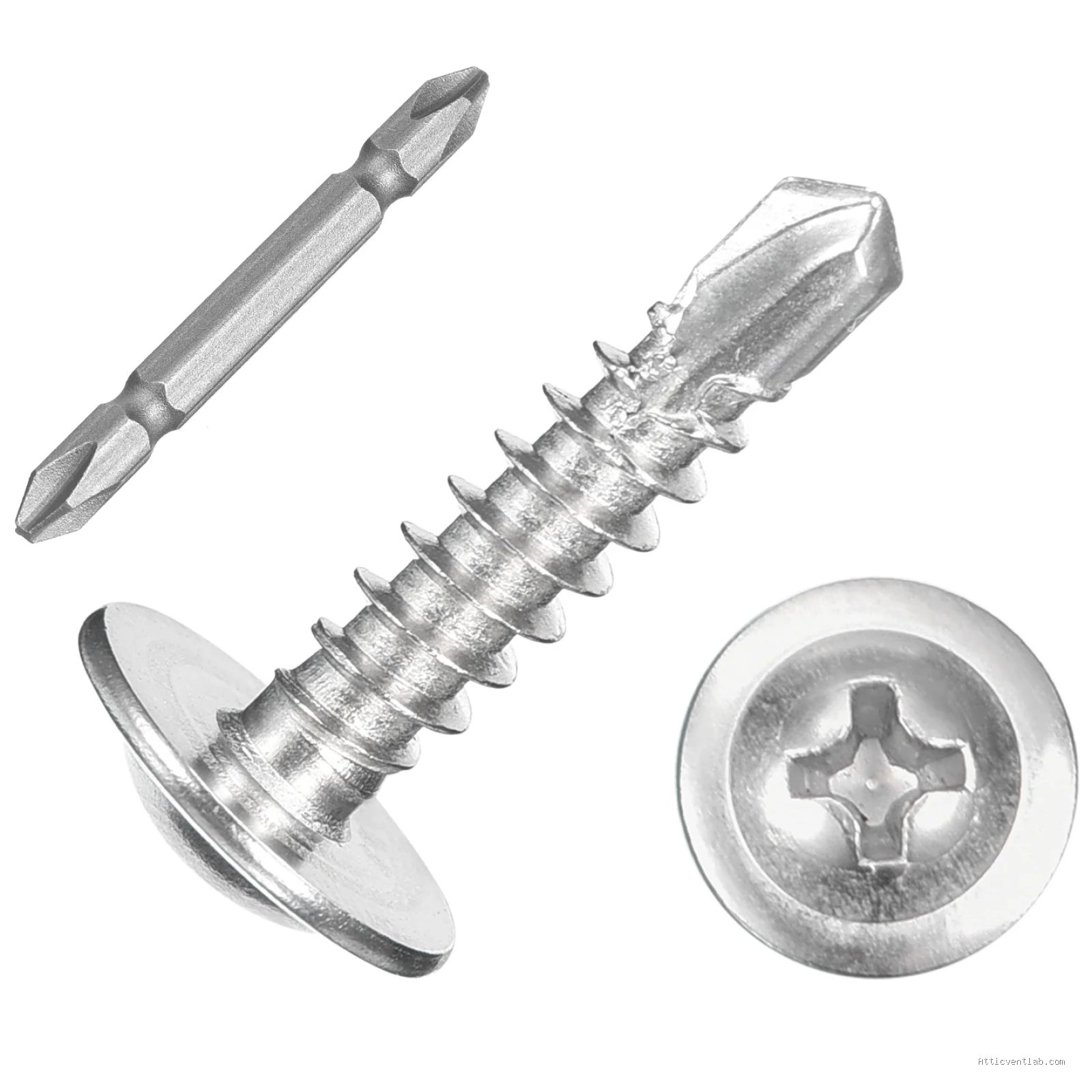
Atticventlab.com – Self-drilling screws strip out in light gauge metal roof purlins primarily due to the fastener exceeding the metal’s thread-bearing capacity, often caused by excessive installation torque or using screws with thread pitches incompatible with the purlin’s thin steel thickness.
The structural integrity of a metal roofing system relies heavily on the connection between the panels and the underlying purlins. When a screw strips out, it effectively loses its clamping force, leaving the roof vulnerable to uplift, leaks, and vibration-induced noise. Understanding why this happens requires looking at the mechanical interaction between the drill point, the threads, and the substrate.
The Mechanics of Thread Stripping
In light gauge steel, which is typically between 16 and 26 gauge, there is very little material for the screw threads to bite into. A self-drilling screw creates its own pilot hole while simultaneously forming threads. If the drill point creates a hole that is slightly too large, or if the screw is over-rotated, the threads will tear through the thin metal rather than carving a secure path. This is known as “stripping out.”
High-speed impact drivers are the most common culprits in this scenario. While convenient, they often provide more torque than the thin steel can handle. Once the screw head seats against the metal, the driver continues to spin, and if the clutch is not set correctly, the threads will grind the surrounding metal, destroying the grip that was just created.
Key Factors Contributing to Failure
Several variables determine whether a fastener will hold or fail. The most significant factor is the relationship between the screw diameter and the thickness of the purlin. If the screw is too thick for the gauge of the steel, the displacement of metal during the drilling process leaves insufficient material for the threads to lock onto.
Another factor is the material hardness. Some light gauge purlins are made from high-tensile steel, which is harder than standard mild steel. If the screw is not specifically hardened to handle high-tensile substrates, the threads may deform or snap off entirely during the installation process, leading to a loose connection.
| Failure Factor | Impact on Connection | Prevention Strategy |
|---|---|---|
| Excessive RPM | Melts/enlarges the hole | Reduce drill speed during final seating |
| Incorrect Thread Pitch | Insufficient thread engagement | Use fine-thread screws for thinner gauges |
| Driver Clutch Setting | Over-torquing and stripping | Use a depth-sensitive nose piece |
| Angle of Installation | Uneven thread load | Ensure screw is perpendicular to surface |
Practical Steps for Proper Installation
To avoid stripping screws in light gauge purlins, contractors must prioritize precision over speed. Following a disciplined installation protocol significantly reduces the risk of failure.
- Select the correct screw length and gauge capacity based on the manufacturer’s technical data sheet for the specific purlin thickness.
- Adjust the clutch on your screw gun to the lowest effective torque setting that still allows the fastener to seat properly.
- Maintain a perpendicular orientation; driving a screw at an angle creates an elliptical hole, which prevents the threads from gripping the metal walls uniformly.
- Apply steady, moderate pressure during the initial drilling phase, but lighten the pressure as the head approaches the roof surface.
- Stop the drill the moment the washer compresses; do not allow the tool to continue spinning once the seal is achieved.
Common Mistakes to Avoid
One of the most frequent mistakes is reusing a hole that has already stripped. Once a hole is stripped, the metal around it has been deformed and thinned. Simply inserting a larger screw is rarely a permanent fix and can lead to rust-through or further structural weakness. If a screw strips, it is best to shift the connection point slightly or use a specialized oversized repair fastener if the structural code allows.
Another issue is ignoring the quality of the fastener coating. Cheap screws often have poorly formed threads that are not sharp enough to cut cleanly into thin steel. High-quality fasteners are engineered with precise thread geometry that minimizes metal displacement, ensuring that the maximum amount of steel remains in contact with the screw threads.
The Role of Structural Design
Designers and engineers also play a role in preventing stripping. When specifying connections for light gauge metal, they must ensure the purlin spacing and gauge are compatible with the wind load requirements. If the steel is too thin to support the necessary fastener density, the system will fail regardless of how carefully the screws are installed.
Furthermore, vibration can exacerbate stripping issues over time. If the roof system is not properly braced, the constant expansion and contraction of the metal panels will place cyclic stress on the fasteners. This movement can slowly widen the hole around the screw, eventually leading to a loss of grip even if the installation was performed perfectly.
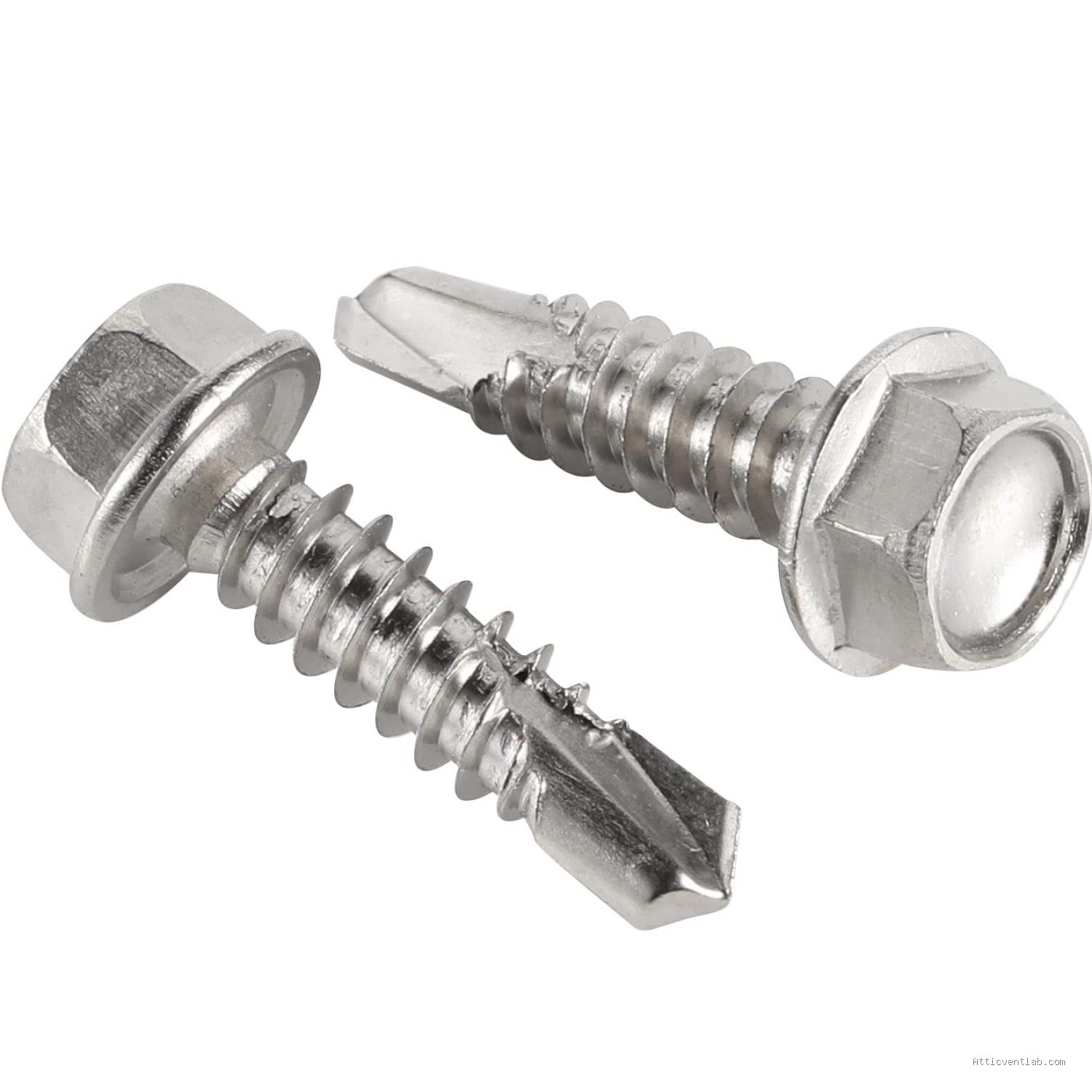
📷 Photo by amazon.ca
FAQ: Troubleshooting Fastener Issues
Q: Can I use an impact driver to install screws in metal purlins?
A: While possible, it is discouraged for thin gauges because impact drivers provide high-velocity torque that is difficult to stop instantly. A dedicated screw gun with a depth-sensitive nose piece is the industry standard for preventing over-torquing.
Q: What should I do if a screw spins freely without biting?
A: If a screw spins, the hole is already stripped. Remove the fastener, inspect the purlin for structural damage, and if the metal is not torn, try a slightly larger diameter fastener or move the hole location by at least one inch to ensure a fresh grip.
Q: Why do my screws snap off before they fully penetrate?
A: This is often caused by heat buildup. If you drill too fast, the friction generates excessive heat, which can soften the metal of the screw, leading to head shear. Slow down the RPM to allow the drill point to cut rather than melt the steel.
In summary, the key to a long-lasting metal roof is the integrity of the fastener-to-purlin connection. By controlling torque, selecting the right hardware, and ensuring proper installation technique, you can prevent the common frustration of stripped threads and ensure your roof remains secure for years to come.
📷 Photo by walmart.com




Leave a Reply