

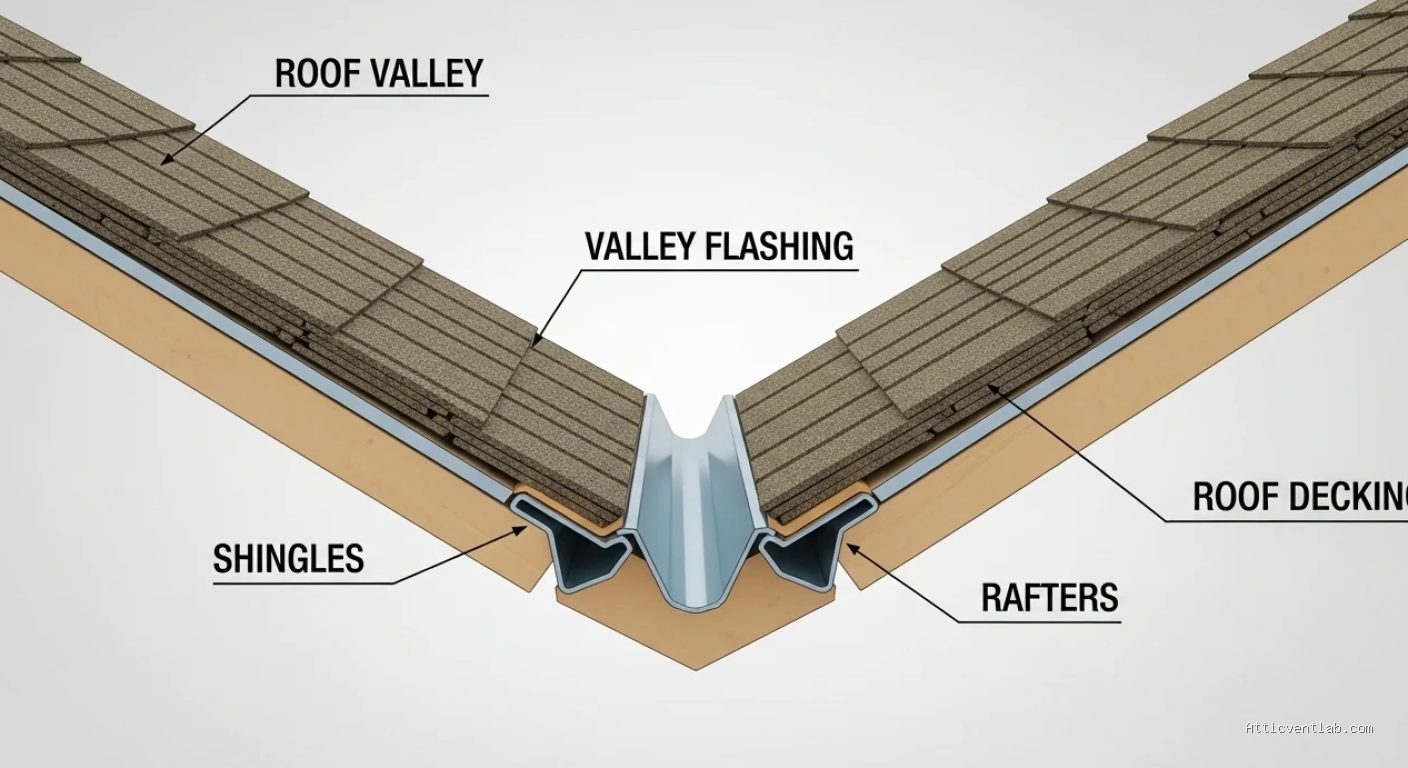
Atticventlab.com – Failed underlayment tears along closed-cut roof valleys are identified by localized shingle sagging, dark water stains on roof decking visible from the attic, and granular debris accumulating in valley channels. These tears occur when the underlayment is improperly lapped or stretched beyond its tensile limit during installation, leading to structural moisture compromise.
Understanding the Mechanics of Closed-Cut Valleys
A closed-cut valley is a roofing technique where shingles from one roof plane overlap the shingles of the intersecting plane. While aesthetically pleasing because it hides the flashing, this design relies heavily on the integrity of the underlying felt or synthetic underlayment. Because the valley is the primary drainage point for the entire roof, any tear in the underlayment acts as a funnel, directing water directly into the wood decking rather than shedding it safely down the slope.
Common Causes of Underlayment Failure

📷 Photo by storage.googleapis.com
The most frequent culprit behind valley underlayment failure is thermal expansion and contraction. Roofing materials move significantly throughout the seasons. If the underlayment was installed too tightly without proper slack, the movement of the roof deck causes the material to snap or pull away from the fasteners. Additionally, poor attic ventilation can accelerate this degradation. Trapped heat creates a “cooking” effect on the underlayment, making synthetic materials brittle and organic felt paper prone to cracking.
Another major factor is the “bridge” effect. If the underlayment was not properly pressed into the V-shape of the valley during installation, it creates a void. When shingles are nailed over this unsupported space, the pressure of foot traffic or heavy snow loads forces the material to stretch and eventually tear at the point of the valley fold.
Signs of Underlayment Tears
Identifying these tears from the exterior can be difficult because the shingles obscure the damage. However, homeowners should look for specific indicators of failure:
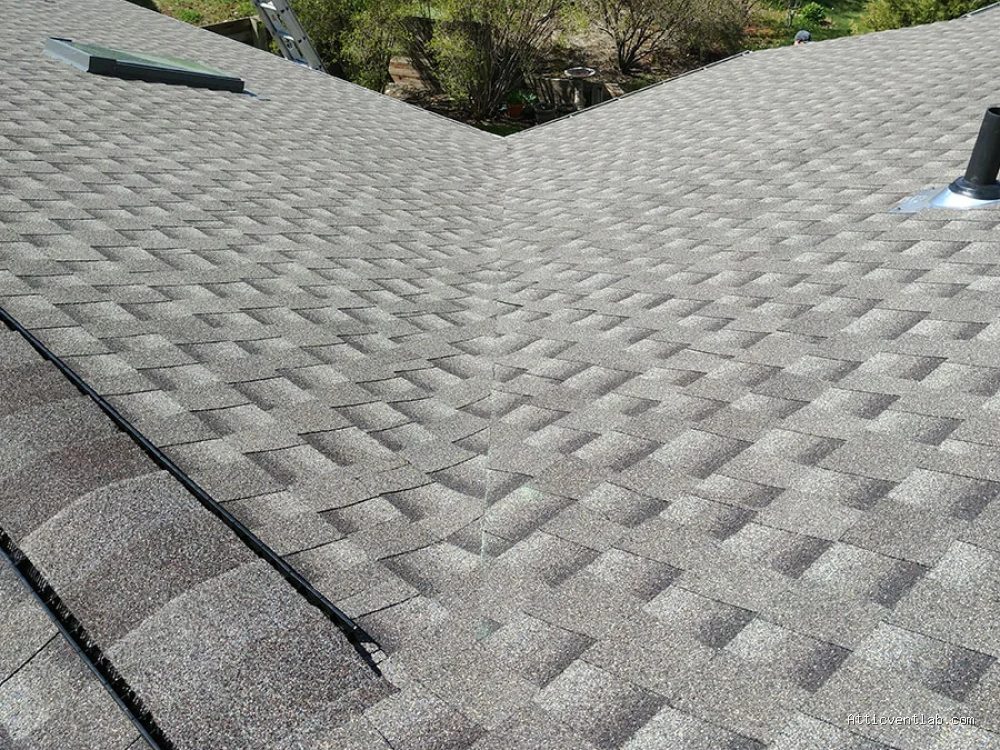
Shingle Deformation: If the shingles covering the valley appear wavy or sunken, it often indicates that the underlayment underneath has failed, allowing the decking to soften due to moisture intrusion.
📷 Photo by design.udlvirtual.edu.pe
Attic Inspection: This is the most reliable way to spot a problem. Using a flashlight, inspect the underside of the roof deck along the valley line. Look for darkened, water-stained plywood or signs of mold growth. If you see daylight peering through the valley seam, the underlayment has definitively failed.
Granule Loss and Debris: If you notice an unusual accumulation of shingle granules or torn bits of felt at the bottom of the valley, it suggests the shingles are grinding against a compromised underlayment layer.
Comparison of Underlayment Material Performance
| Material Type | Tear Resistance | Best Use Case |
|---|---|---|
| Organic Felt (#15/#30) | Low | Standard residential with low slope |
| Synthetic Underlayment | High | High-traffic roofs and complex valleys |
| Self-Adhered Membrane | Excellent | Valley waterproofing and leak-prone areas |
Step-by-Step Inspection Guide
Following a systematic approach ensures you can safely identify potential failures without compromising your roof’s integrity. Always prioritize safety and use appropriate fall protection when accessing the roof surface.
- Perform an interior attic scan by checking the underside of the valley rafters for dark spots or dampness.
- Use a mirror and a high-lumen flashlight to inspect the V-shaped crease where the roof planes meet if you cannot reach the area physically.
- Examine the exterior valley for “soft spots” by gently pressing on the shingles; if the surface feels spongy, the decking beneath has been compromised by a tear.
- Check for any missing or misaligned shingles that might have shifted, as these often expose the vulnerable underlayment to direct UV radiation.
- Consult a thermal imaging camera if you suspect a leak but cannot see physical damage; moisture-laden underlayment will show up as a distinct temperature differential.
Risks of Ignoring Valley Tears
Ignoring a tear in the valley underlayment is a recipe for structural failure. Because valleys collect a massive volume of water, even a small, hairline tear can result in gallons of water saturating the roof sheathing. Over time, this leads to wood rot, which compromises the structural integrity of the rafters. Once the plywood begins to decay, the cost of repair shifts from a simple underlayment patch to a full-scale roof deck replacement.
Furthermore, moisture entering the attic space creates an ideal environment for mold and mildew. This can negatively impact indoor air quality and lead to health issues for occupants. In cold climates, water leaking through these tears can also freeze, causing ice dams that push shingles upward, creating even more entry points for water.
Prevention and Maintenance Tips
Prevention starts during the initial roofing installation. Ensure that a high-quality self-adhered waterproof membrane is used in all valleys, rather than standard felt paper. This material is designed to seal around fasteners and provide a flexible, waterproof barrier that can withstand the natural movement of the house. Additionally, ensure that your roof has adequate intake and exhaust ventilation. By keeping the attic cool, you prevent the premature drying and cracking of the underlayment materials.
Frequently Asked Questions
Q: Can I patch a valley underlayment tear without removing the shingles?
A: No. To properly repair a tear, the shingles covering the valley must be removed to gain access to the underlayment. A surface-level patch on the shingles will not stop water from reaching the compromised underlayment.
Q: How often should I inspect my roof valleys?
A: It is recommended to inspect your roof valleys twice a year, ideally in the spring and fall, especially if you live in an area with heavy rainfall or significant snow accumulation.
Q: Is it normal for the underlayment to be visible in the valley?
A: No. If the underlayment is visible, it means the shingles have slid or were cut incorrectly. This exposes the underlayment to UV rays, which will cause it to degrade and tear within a short period.
Common Mistakes to Avoid
A frequent error homeowners make is applying roofing cement or tar over the valley to stop a leak. This is a temporary “band-aid” that often traps water rather than shedding it, leading to faster rot of the wood deck. Another mistake is walking heavily in the valley during an inspection. Because the valley is already a point of structural stress, excessive pressure can cause an existing small tear to widen significantly. Always walk on the flat planes of the roof, not directly in the center of the valley.
📷 Photo by mkbestroofing.com



Leave a Reply