

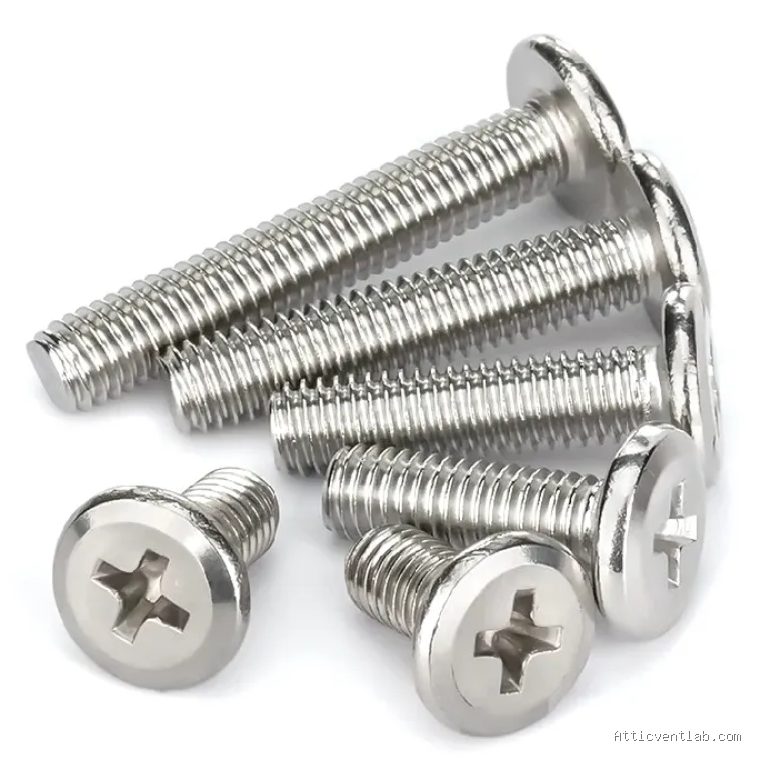
Atticventlab.com – Replacing rusted galvalume screws with high-grade coated stainless steel fasteners involves removing the corroded hardware, cleaning the pilot holes, and installing new screws with EPDM washers to prevent galvanic corrosion and ensure a watertight seal.
Understanding the Corrosion Problem
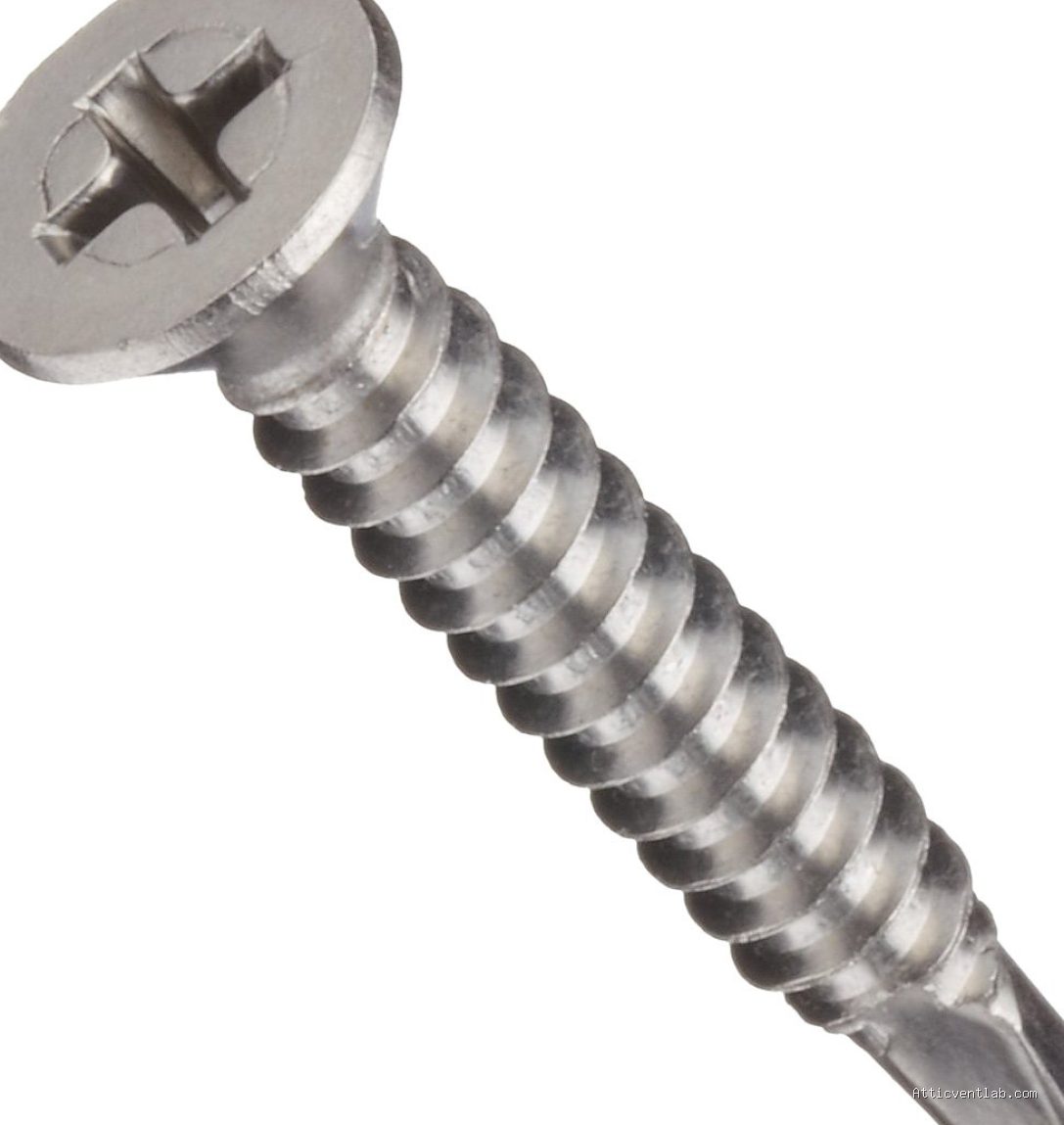
📷 Photo by klaojqloq.blob.core.windows.net
Galvalume panels are highly durable, but the screws securing them often fail long before the metal sheets do. When standard zinc-plated or low-grade screws are exposed to moisture, they develop rust that migrates into the roof panel. This creates a chemical reaction that compromises the structural integrity of the roof.
The primary culprit is galvanic corrosion. When a less noble metal (the screw) is in contact with a more noble metal (the galvalume coating) in the presence of an electrolyte like rainwater, the screw acts as a sacrificial anode. Replacing these with coated stainless steel fasteners stops this process, as the coating provides an extra layer of protection against the elements.
Signs Your Screws Need Immediate Replacement
You do not need to wait for a leak to identify failing hardware. Look for streaks of orange or brown rust running down the roof panels directly from the screw heads. This is a telltale sign that the screw coating has been breached and the metal is actively oxidizing.
Another sign is loose fasteners. As the screw shank corrodes, it loses its grip on the wood purlin underneath. If you notice screws that can be turned by hand or are sitting slightly recessed into the panel, they have likely lost their structural tension. Ignoring these signs leads to panel fluttering during high winds, which eventually enlarges the hole and leads to significant water intrusion.
Recommended Fastener Specifications
When selecting replacements, do not simply look for “stainless.” You must ensure they are specifically rated for outdoor roofing applications. The following table outlines the criteria you should prioritize when purchasing your new hardware.
| Feature | Requirement |
|---|---|
| Material | 304 or 316 Grade Stainless Steel |
| Coating | Ceramic or Polymer Barrier Coating |
| Washer Type | EPDM Bonded Metal Washer |
| Head Style | Hex Head with Integrated Washer |
Step-by-Step Replacement Process
Replacing screws is a task that requires precision to avoid damaging the existing galvalume panels. Follow these steps to ensure a long-lasting repair.
- Clear the area of all debris and moisture to ensure you have a clean workspace.
- Use a magnetic nut driver bit on a low-torque drill to carefully extract the rusted screw; if the screw is sheared off, use a pair of locking pliers to grip the head and back it out.
- Inspect the hole for jagged metal edges or excessive enlargement; if the hole is stripped, you must use a slightly larger “oversized” replacement screw to regain a tight seal.
- Apply a small bead of high-quality metal roofing sealant inside the hole if the metal is deformed or the hole is slightly too large.
- Insert the new coated stainless steel screw, ensuring it is driven perpendicular to the panel surface.
- Tighten the screw only until the EPDM washer is slightly compressed; over-tightening will split the rubber, while under-tightening will allow water to bypass the seal.
Common Mistakes to Avoid
One of the most frequent errors is using carbon steel screws alongside stainless steel fasteners. Mixing metals on a roof is a recipe for disaster, as it accelerates the corrosion rate of the carbon steel components. Always replace the entire batch of screws in a specific area rather than spot-replacing only the ones that look the worst.
Another mistake is failing to account for the thickness of the purlin. If your new screws are too short, they will not achieve the necessary embedment depth to hold the panel against wind uplift. Conversely, if they are too long, they might penetrate through the underside of the roof deck or purlin, creating an unnecessary entry point for moisture or pests.
The Importance of EPDM Washers
The washer is the silent hero of the roofing system. EPDM (Ethylene Propylene Diene Monomer) is a synthetic rubber that remains flexible across extreme temperature ranges. As your roof expands and contracts with the sun, the washer must move with it. If you reuse old, cracked washers, the fastener will leak regardless of how high-quality the stainless steel screw is.
Frequently Asked Questions
Q: Can I use galvanized screws as a cheaper alternative?
A: No. While galvanized screws are cheaper, they will eventually rust again in the same way the originals did. Coated stainless steel is the only way to permanently solve the corrosion cycle.
Q: How do I know if I need an oversized screw?
A: If the current screw spins freely in the hole without grabbing the wood, the hole is stripped. An oversized screw (typically 1/4 inch instead of the standard #10 or #12) will provide the necessary thread engagement.
Q: Is it safe to walk on the roof while replacing screws?
A: It depends on the slope and your experience. Always use proper fall protection and step only on the flat parts of the metal panels, specifically over the purlin locations to avoid denting the material.
Final Maintenance Tips
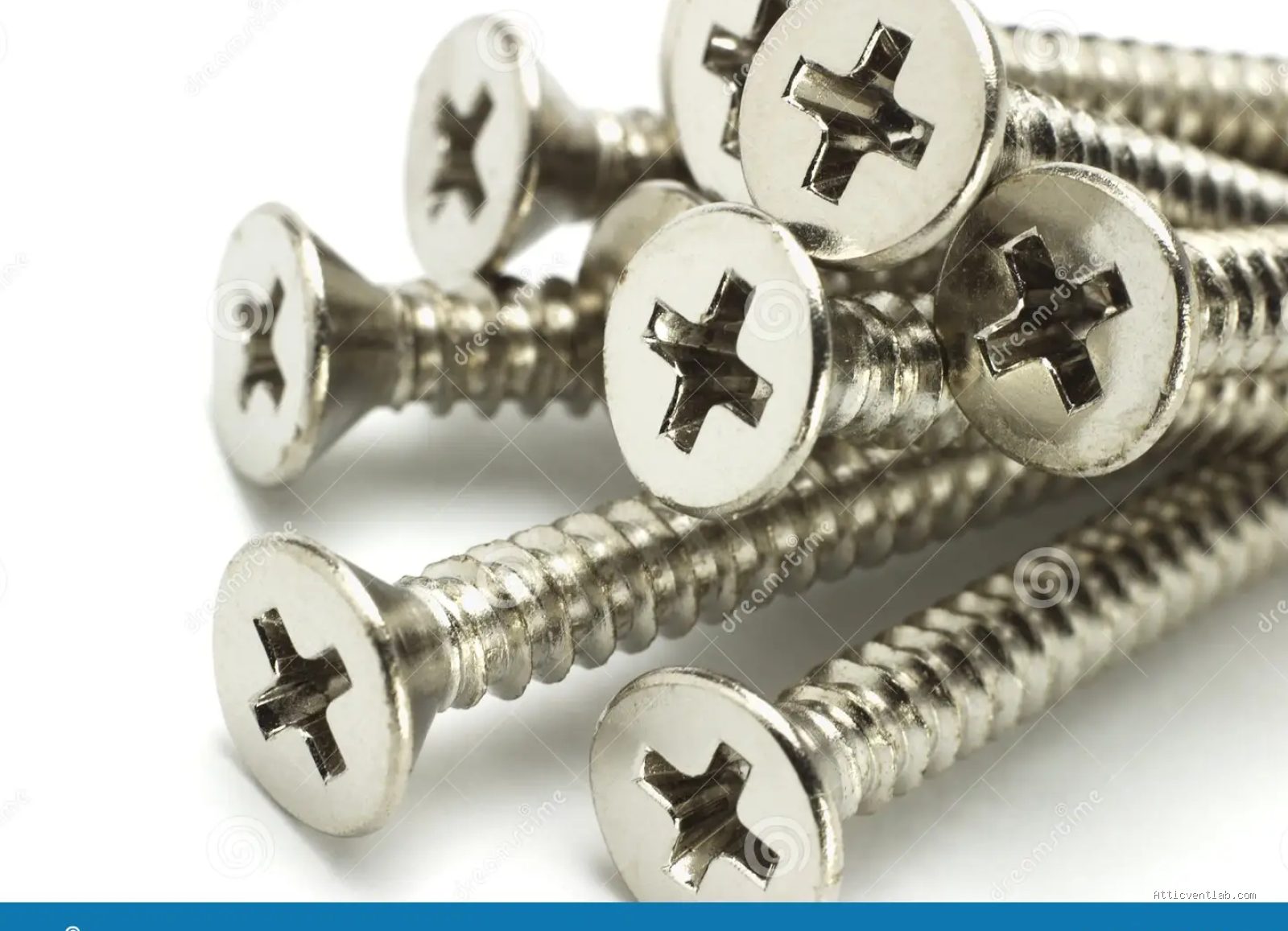
📷 Photo by storage.googleapis.com
Once you have finished the replacement, perform a visual inspection twice a year. High-wind events can vibrate fasteners loose over time. A quick check with a wrench or socket set once a year is a minimal investment that can extend the life of your roofing system by decades. If you see any new rust streaks appearing, address them immediately before the oxidation spreads to the surrounding panel surface.
📷 Photo by a2fasteners.com


Leave a Reply