

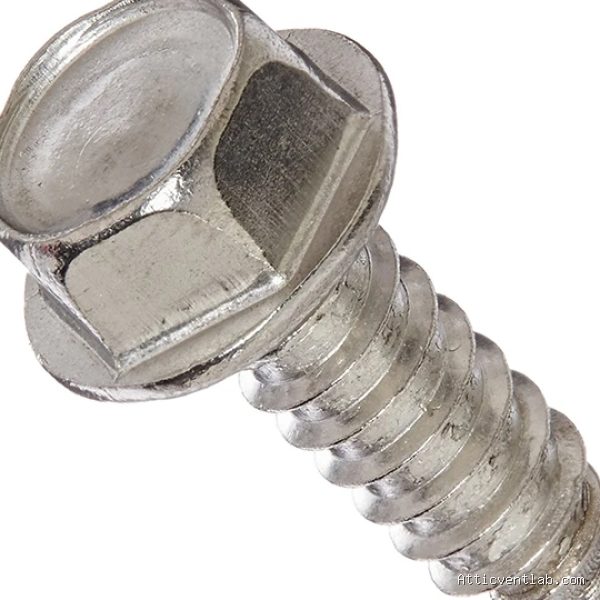
Atticventlab.com – Replacing missing hex washer fasteners on a wind-rattled porch roof requires identifying the correct screw length and gauge to match existing penetrations, followed by installing EPDM-backed hex head screws to seal the hole and prevent further vibration noise.
Wind-rattled porch roofs are a common nuisance, often caused by fasteners that have backed out over time due to thermal expansion or repetitive wind stress. When a hex washer screw is missing, the metal roofing panel loses its structural tension, allowing the sheet to lift slightly and create a rattling sound during gusts. Ignoring these missing fasteners can lead to significant water intrusion and enlarged screw holes that eventually compromise the entire roofing system.
Identifying the Right Hardware
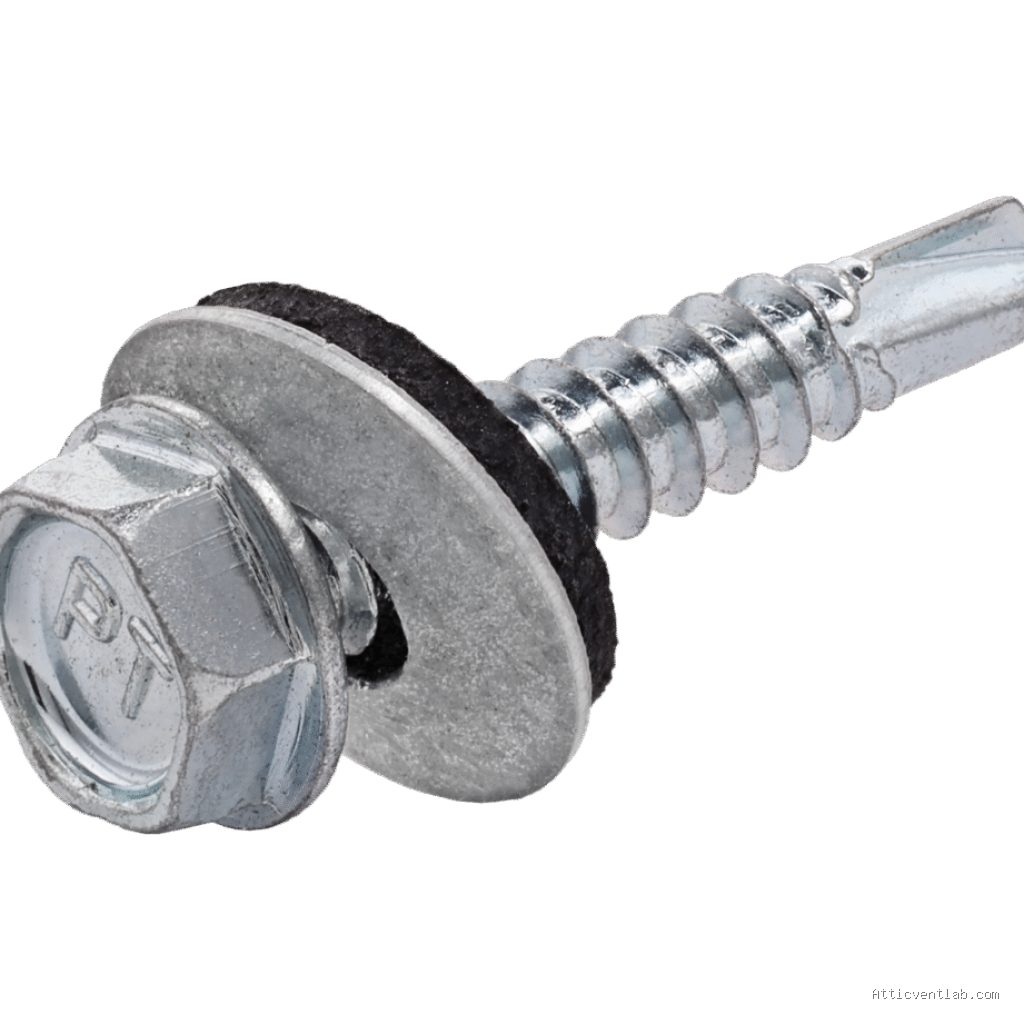
Before you climb a ladder, you must identify the specific type of fastener used on your roof. Metal roofing typically employs hex head screws with an integrated EPDM rubber washer. These washers are the most critical component, as they compress against the metal surface to create a watertight seal. If your roof is older, the rubber may have become brittle or cracked, which is often why the screw loosened and fell out in the first place.
You should inspect the remaining fasteners to determine the diameter and length. Most residential metal roofs use #9 or #10 gauge screws. If the hole where the fastener was missing has become stripped or enlarged, you will need to upgrade to a slightly larger diameter fastener, often referred to as a “stitch screw” or a self-tapping oversized replacement, to ensure the threads bite into the underlying wood purlin or metal substrate.
Tools and Safety Preparation
Safety is non-negotiable when working on elevated surfaces. Always use a sturdy, rated ladder and wear rubber-soled shoes for better grip on metal surfaces. If the roof pitch is steep, utilize safety harnesses or roof jacks. For the repair itself, you will need an impact driver with a magnetic hex socket bit, usually 1/4 inch or 5/16 inch, depending on the screw head size.
| Component | Purpose/Specification |
|---|---|
| Hex Head Screw | Provides high torque for secure fastening. |
| EPDM Washer | Creates a water-tight seal against the metal panel. |
| Impact Driver | Essential for driving screws into metal or wood substrates. |
| Magnetic Socket | Prevents dropping screws during installation. |
Step-by-Step Replacement Procedure
Follow these steps to ensure a secure, long-lasting fix for your loose or missing fasteners:
- Clear the area of debris to ensure the new washer sits flush against the metal roofing panel.
- Check the existing hole size; if the hole is significantly enlarged, use a slightly larger diameter replacement screw to ensure a tight thread engagement.
- Align the new screw directly over the previous hole, ensuring it is perpendicular to the roof surface to prevent “egging” out the hole.
- Drive the screw using an impact driver at a controlled speed until the EPDM washer begins to bulge slightly at the edges, indicating a proper seal.
- Do not over-tighten, as crushing the rubber washer will cause it to fail prematurely and invite leaks.
- Repeat this process for any other loose fasteners in the immediate vicinity to prevent future rattling.
Preventing Future Rattling
The primary cause of rattling is vibration caused by wind uplift. If you find that fasteners are frequently backing out, it is likely that the roof was under-fastened during the initial installation. Metal roofs require a specific pattern of fasteners to remain rigid. Adding extra fasteners in the middle of the panels—if permitted by the manufacturer—can drastically reduce the “oil canning” effect that leads to noise and fastener failure.
Another common mistake is mixing different types of screws. You must ensure that the screw head is compatible with the material you are fastening to. If you are fastening metal-to-wood, use specialized wood-threaded screws. If you are fastening metal-to-metal, use self-drilling screws with a finer thread count. Using the wrong thread type will result in a weak connection that will inevitably fail under wind pressure.
Signs of Impending Fastener Failure
Keep an eye out for telltale signs that your roof needs maintenance before a storm hits. If you notice rust streaks running down from the screw heads, it is a sign that the EPDM washer has failed, exposing the steel core of the screw to moisture. Additionally, if the screw heads appear uneven or tilted, they are likely loose and no longer providing the necessary clamping force to keep the roof panels quiet and secure.
If you discover that the metal panel itself has torn around the screw hole, simply replacing the screw will not suffice. In this scenario, you must use a larger neoprene-backed washer or a metal repair patch to bridge the gap. Ignoring these smaller issues will allow water to seep into the attic space, leading to wood rot, mold growth, and expensive structural repairs down the line.
Q: Can I use standard hardware store screws to replace roof fasteners?
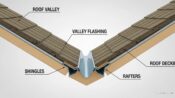
Read also: Signs of Blocked Valley Water Flow Caused by Shingles Overhanging Too Far
📷 Photo by pro-twist.com
A: No. Standard hardware store screws lack the integrated EPDM rubber washer required to seal the hole. Always use roofing-grade hex head screws to prevent leaks and rust.
Q: How tight should I make the new screw?
A: Tighten the screw until the rubber washer is compressed enough to create a seal, but stop before the washer becomes deformed or flattened to the point of splitting.
Q: Why do my screws keep coming loose every season?
A: Thermal expansion and contraction cause metal panels to move. If the fasteners are not installed with proper spacing or if the pilot holes are too large, the movement will eventually back the screws out.
Regular maintenance is the best defense against a noisy and leaky roof. By checking your fasteners annually, especially after high-wind events, you can extend the life of your roofing system and maintain a quiet, comfortable living environment. If you find that more than 20 percent of your fasteners are loose or missing, it may be time to consult with a professional roofing contractor to assess if the entire panel system requires re-fastening or if the underlying structure has been compromised.
📷 Photo by vintagetrailersupply.com


1 Comments
[…] Read also: How to Replace Missing Hex Washer Fasteners on Wind-Rattled Porch Roofs […]