


Atticventlab.com – You can effectively seal small puncture holes in aluminum valley flashing by cleaning the surrounding area, applying a high-grade exterior-rated polyurethane sealant, and reinforcing the patch with a small piece of aluminum flashing or specialized roofing tape.
Aluminum valley flashing is a critical component of your roofing system, designed to channel water away from the intersections of roof planes. Because this metal is relatively soft, it is prone to punctures from falling tree limbs, heavy debris, or improper installation of roofing nails. Even a tiny hole, barely visible to the naked eye, can allow water to seep into your roof deck, leading to wood rot, mold, and structural damage over time.
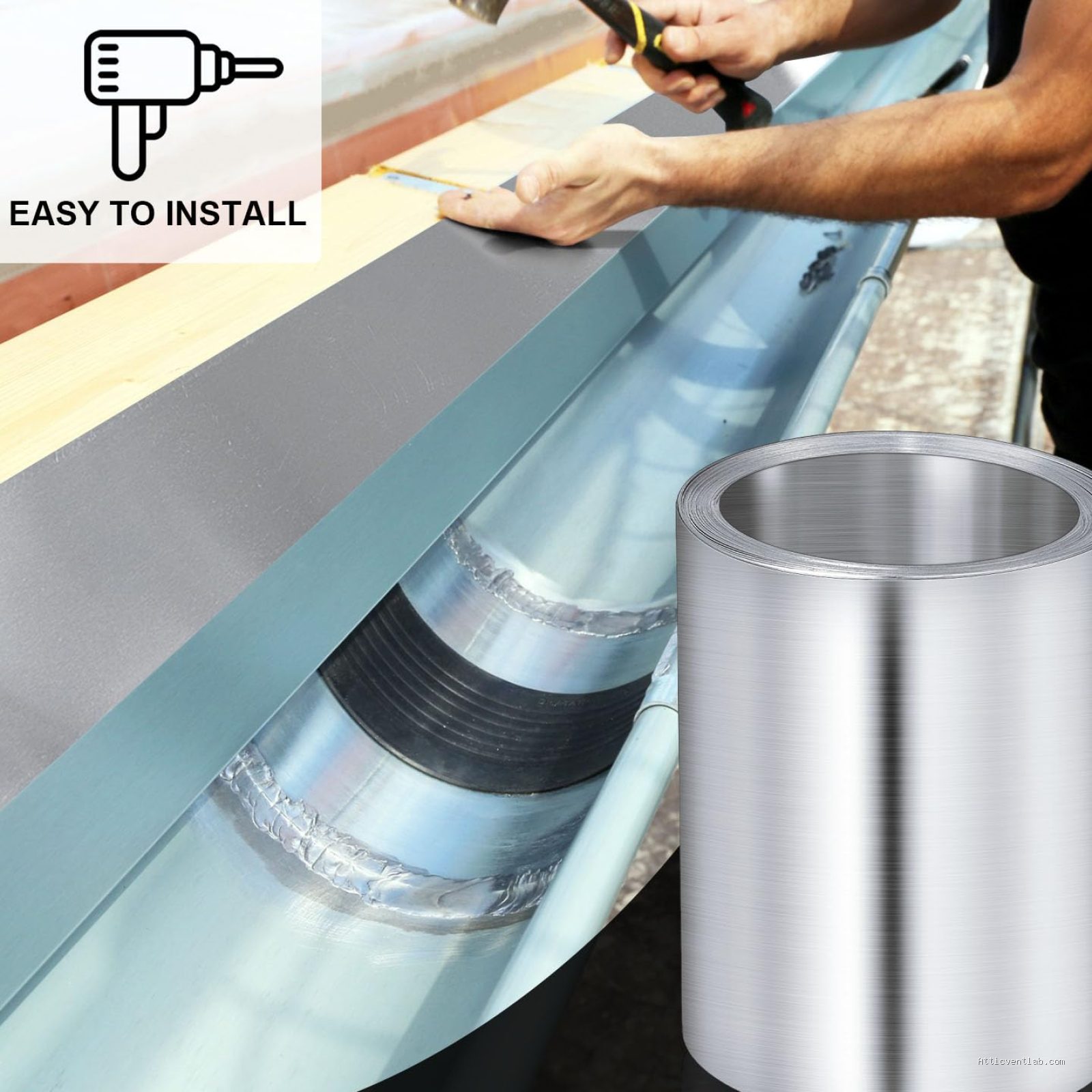
📷 Photo by snapklik.com
Identifying the Severity of the Damage
Before you begin the repair, you must determine if a patch is sufficient or if the entire flashing strip needs replacement. If the puncture is smaller than a quarter-inch, a sealant-based patch is usually effective. However, if the metal is severely crinkled, corroded, or if the puncture is near the center crease of the valley where water flow is heaviest, you should consider replacing that section of the flashing entirely. Ignoring deep punctures or multiple holes can compromise the integrity of the entire roof system.
Tools and Materials You Need
Preparation is the key to a long-lasting repair. You will need a stiff-bristle wire brush to remove oxidation and debris from the aluminum surface. A solvent-based cleaner, such as denatured alcohol or mineral spirits, is essential to remove any oily residue that prevents the sealant from bonding. For the repair itself, choose a high-quality, UV-resistant polyurethane roofing sealant or a dedicated flashing tape, which is often easier to apply for beginners.
| Material | Purpose | Recommended Type |
|---|---|---|
| Sealant | Watertight adhesion | Polyurethane-based (UV stable) |
| Cleaning Agent | Surface preparation | Denatured alcohol or mineral spirits |
| Reinforcement | Structural patch | Aluminum flashing scrap or butyl tape |
| Abrasive | Surface roughening | Fine-grit sandpaper or wire brush |
Step-by-Step Repair Process
Follow these steps to ensure a watertight seal that stands up to seasonal weather changes and thermal expansion.
- Clear the area by removing any loose roofing granules, dirt, or moss around the puncture. Use a stiff wire brush to lightly abrade the aluminum surface, which helps the sealant grip the metal more effectively.
- Clean the surface thoroughly using a clean rag soaked in denatured alcohol. Allow the area to dry completely, as moisture trapped under the patch will lead to premature failure.
- Apply a generous bead of exterior-grade polyurethane sealant directly into and over the puncture hole. If you are using a patch, apply the sealant in a circular motion around the hole to create a bed.
- Press your reinforcing material—either a small square of aluminum flashing or a piece of butyl roofing tape—firmly onto the sealant. Ensure there are no air bubbles trapped underneath.
- Seal the edges of your patch with an additional thin layer of sealant to prevent water from catching the underside of the patch during heavy rainfall.
- Allow the repair to cure for at least 24 to 48 hours before exposing it to heavy water flow, checking the manufacturer’s instructions for specific temperature requirements.
Common Mistakes to Avoid
One of the most frequent errors is using silicone caulk instead of polyurethane sealant. While silicone is excellent for windows and bathrooms, it often fails to adhere well to aluminum flashing over long periods and cannot be painted or covered easily. Another mistake is failing to clean the metal properly. Aluminum develops a thin layer of oxidation that can prevent adhesives from bonding; if you do not sand or wire-brush the surface, the patch will eventually peel away, leaving the hole exposed again.
Furthermore, avoid using standard duct tape or masking tape as a temporary fix. These materials will degrade rapidly under UV exposure, leaving behind a sticky, messy residue that makes a proper professional repair even more difficult to perform later. Always use materials specifically engineered for exterior roofing applications.
Risks of Neglected Flashing
Small holes in valley flashing are deceptive. Because they are located in a valley, they are positioned where the highest volume of water travels during a storm. Even a pinhole can allow gallons of water to penetrate the underlayment during a single heavy rain event. If the underlayment is aged or brittle, the water will quickly reach the plywood roof deck, causing it to swell and rot. This can lead to expensive interior repairs, including ceiling damage and the potential for black mold growth, which poses health risks to the home’s occupants.
Regular roof inspections should be part of your home maintenance routine. If you live in an area with many trees, check your valleys at least twice a year—ideally in the spring and autumn. Removing debris such as leaves and branches prevents the standing water that often hides these small punctures.
Q: Can I use asphalt roof cement to patch aluminum flashing?
A: While asphalt cement is effective for shingles, it is generally not recommended for aluminum flashing. It can be messy, and the chemical reaction between the asphalt and the metal can sometimes lead to long-term issues. Polyurethane sealant is the industry standard for metal-to-metal or metal-to-sealant repairs.
Q: How long should a patch on aluminum flashing last?
A: When performed correctly with high-quality materials, a patch can last for many years, often matching the remaining life of the surrounding flashing. However, you should inspect the patch annually to ensure the sealant hasn’t cracked or pulled away from the edges.
Q: Is it better to replace the entire strip?
A: If you have more than two or three small holes in a single section of flashing, or if the metal is thin and brittle due to age, replacement is the safer and more reliable option. Patching is a targeted solution for isolated, minor damage.
By taking the time to properly clean, seal, and reinforce these small punctures, you protect your home from significant water damage. Maintenance is always more cost-effective than restoration, and these simple steps can extend the life of your roof valley significantly.
📷 Photo by walmart.com






Leave a Reply