

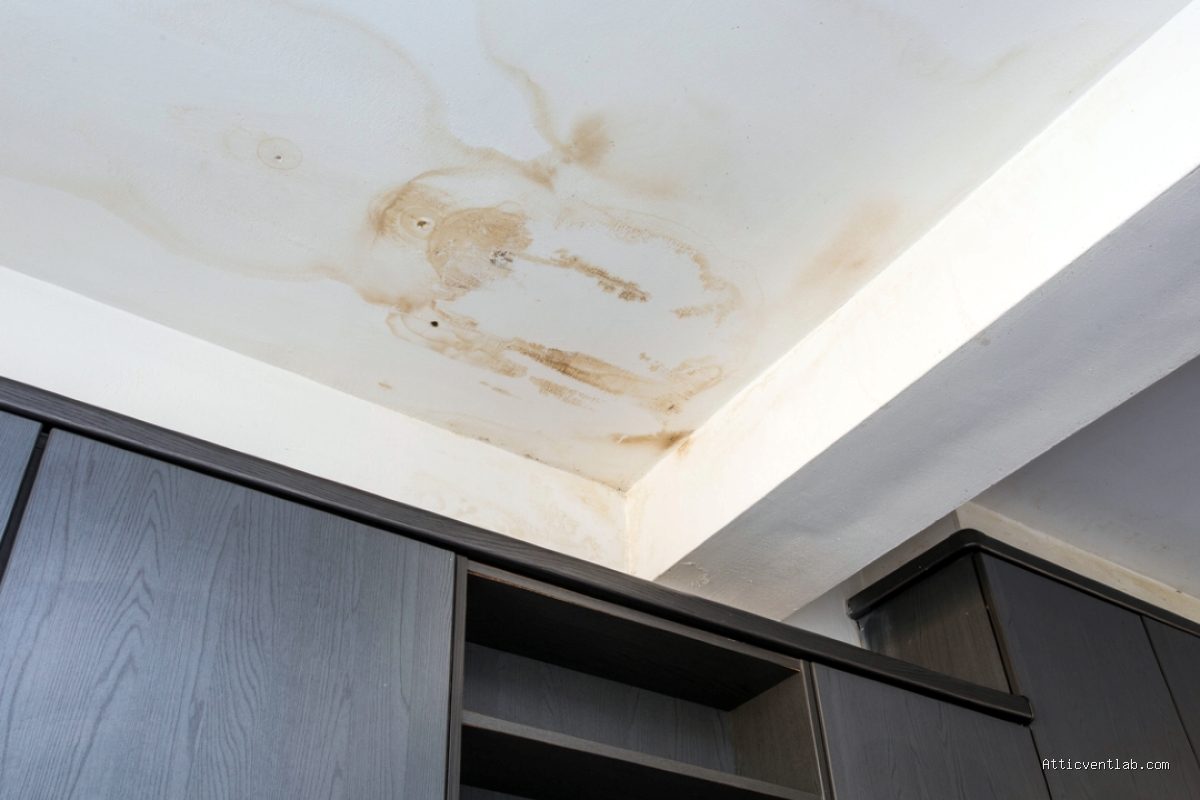
Atticventlab.com – Sudden ceiling spots appearing beneath roof valley intersections after a hail storm are primarily caused by physical impact damage to shingles leading to water infiltration, or the displacement of metal flashing that compromises the roof’s primary drainage channel.
Roof valleys are the most vulnerable sections of any pitched roof system. They serve as the primary collection point for rainwater and melting snow, funneling high volumes of water down toward the gutters. When a hail storm strikes, these areas often sustain the most severe damage because the concentration of water flow can quickly exploit even the smallest fractures in the roofing material.
The Physics of Hail Damage in Valleys
Hailstones do not strike a roof uniformly. In a valley, the angle of the slope creates a “funnel effect” where hailstones can bounce and accumulate. When a stone hits a shingle in this intersection, it often causes “bruising.” This is not always a visible hole; instead, it is a depression where the underlying asphalt mat is crushed and the protective mineral granules are knocked loose.
Once these granules are dislodged, the asphalt mat is exposed to ultraviolet radiation and rapid temperature fluctuations. Over a very short period, this leads to cracking. If the valley is lined with metal flashing, hail can cause dents that alter the flow of water, forcing it to pool against the seams of the shingles rather than flowing smoothly downward. This pooling eventually leads to capillary action, where water is sucked beneath the shingles and into the roof deck.
Common Culprits Behind Leakage
Understanding why spots appear specifically after a storm requires identifying the mechanical failures that occur during the impact. The most common cause is the compromise of the underlayment. If the hail is large enough to tear the felt or synthetic underlayment beneath the shingles, water will immediately penetrate the wood deck and manifest as a yellow or brown stain on your interior ceiling.
Another frequent issue is the loosening of valley flashing. Metal flashing is typically nailed or sealed into place. If hail hits the edges of this metal, the force can loosen the fasteners or break the seal of the roofing cement. Once that seal is broken, water bypasses the protective barrier and enters the attic space, often traveling along rafters before dripping onto your ceiling at a point far from the actual leak source.
Comparative Analysis of Valley Damage Types
| Damage Type | Visual Indicator | Risk Level |
|---|---|---|
| Granule Loss | Bald spots on shingles | Moderate (Long-term rot) |
| Metal Flashing Dent | Visible indentation in metal | High (Water diversion) |
| Underlayment Puncture | Sudden interior ceiling stain | Critical (Immediate leak) |
| Sealant Failure | Lifting shingles at edges | High (Wind-driven rain) |
Steps to Inspect and Mitigate Damage
If you notice spots on your ceiling, you must act quickly to prevent structural rot or mold growth. Follow these steps to assess the situation safely:
- Perform a visual inspection from the ground using binoculars to check for displaced shingles or obvious metal dents in the valley lines.
- Go into your attic during the day and look for light leaks or wet insulation directly beneath the valley intersection where the ceiling spots are located.
- Document the damage with photographs for your insurance claim, as hail damage is often covered under standard homeowner policies.
- Place a bucket or moisture-absorbing material beneath the drip point in the attic to protect the ceiling drywall from further saturation while you wait for a professional.
- Contact a licensed roofing contractor to perform a moisture scan or a professional water test to confirm the path of the leak.
Why Ceiling Spots Appear Far From the Valley
A common mistake homeowners make is assuming the ceiling spot is directly beneath the leak. Water follows the path of least resistance. It travels along the slope of the rafters, runs down the side of a ceiling joist, or accumulates on top of the drywall until it finds a seam. This means the actual breach in your roof valley could be several feet away from the wet spot on your ceiling. This is why professional roofers often use moisture meters to trace the “trail” of the water back to the source.
The Danger of Ignoring Minor Discoloration
Even if the spot on your ceiling is small or appears to “dry out” when the sun comes out, the underlying problem remains. Constant wetting and drying of the roof deck and attic insulation provide the perfect environment for mold colonization. Furthermore, wood that is repeatedly soaked loses its structural integrity, which can lead to sagging roof lines or, in extreme cases, the collapse of a section of the ceiling. If you see a spot, assume the insulation is already saturated and requires replacement to prevent health hazards.
Frequently Asked Questions
Q: Can I patch a hail-damaged valley with roofing cement myself?
A: While you can apply temporary sealant, it is generally discouraged. Hail damage often compromises the entire underlayment, and surface patching rarely addresses the structural breach, potentially voiding your manufacturer’s warranty.
Q: How long after a hail storm can I file an insurance claim?
A: Most policies have a specific window, often one year, but it is best to file as soon as the damage is discovered. Waiting too long can lead to the insurance company denying the claim, arguing that the damage was caused by “neglect” rather than the storm itself.
Q: Does a small ceiling spot mean I need a full roof replacement?
A: Not necessarily. If the damage is localized to a specific valley, a qualified roofer may be able to perform a “valley repair,” which involves replacing the flashing and the surrounding shingles. However, if the hail was severe enough to damage the entire roof, a full replacement may be the only way to restore the integrity of the home.
Taking proactive measures, such as scheduling a professional roof inspection immediately after a major hail event, can save you thousands of dollars in interior repairs. Always prioritize safety and allow professionals to handle the delicate task of walking on a compromised, potentially slippery roof surface.
📷 Photo by bobvila.com





Leave a Reply