

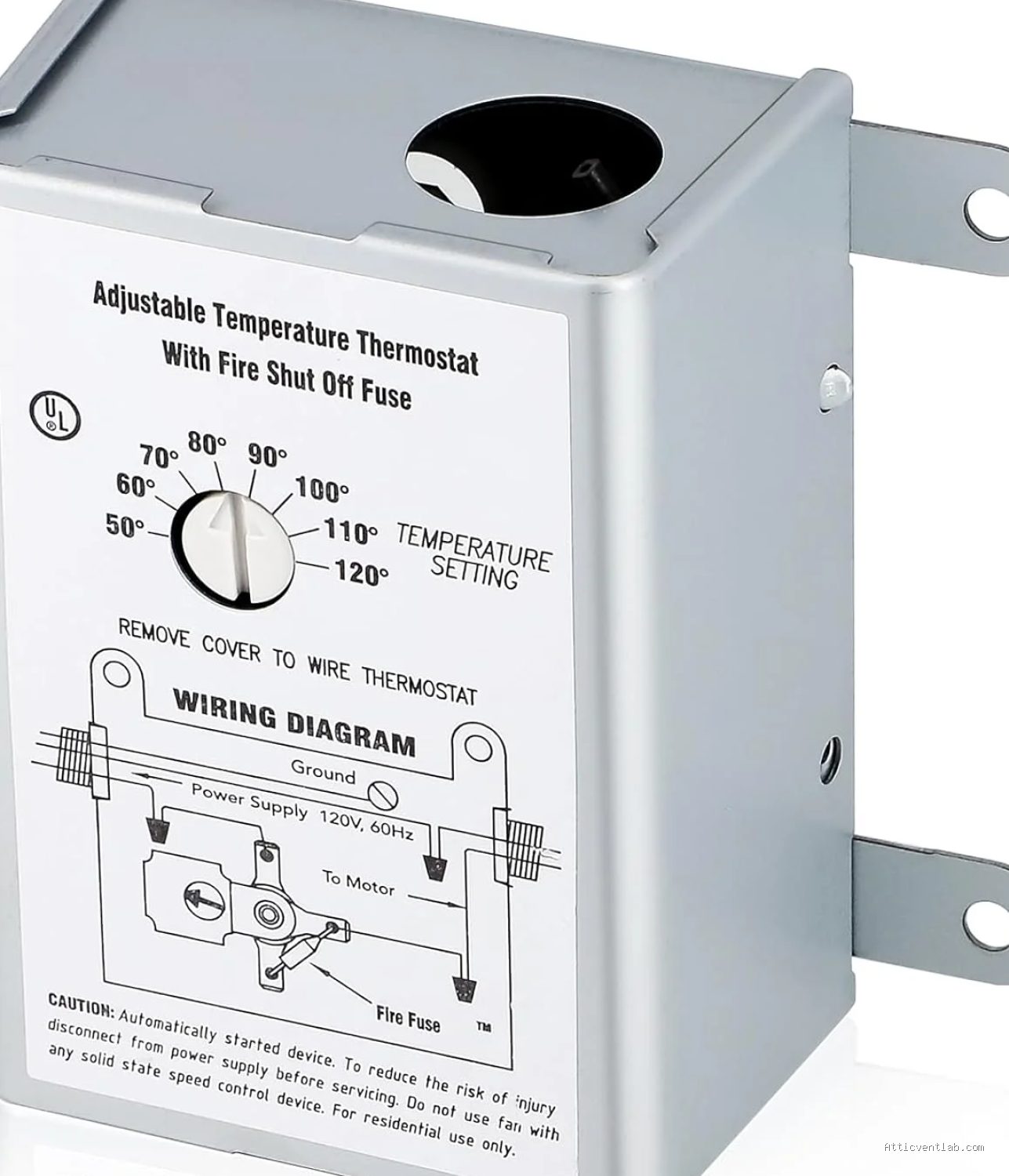
Atticventlab.com – Humming sounds originating from attic thermostat switches during hot days are typically caused by electrical contact chatter or electromagnetic vibration within the relay components as they struggle to handle high current loads under thermal stress. This phenomenon occurs when the internal bimetallic elements or solenoid coils expand and vibrate due to the intense ambient heat and the rapid cycling of cooling equipment.
Understanding the Mechanics of the Hum
When your attic reaches extreme temperatures, the thermostat switch works overtime. In many older or residential-grade setups, these switches utilize mechanical relays to open and close the circuit that powers your attic fans or ventilation systems. As the ambient temperature rises, the metal components inside the switch expand. This physical expansion can cause the contact points to become slightly misaligned or lose the firm pressure required to maintain a solid electrical connection.
The resulting vibration—often perceived as a hum, buzz, or clicking sound—is essentially the sound of an electrical arc occurring at a microscopic level. Because the attic is a confined space, these sounds are often amplified by the wooden rafters and insulation, making them seem louder than they actually are. While this is common, it is a clear indicator that the component is operating at the edge of its thermal threshold.
Why Heat Exacerbates the Issue
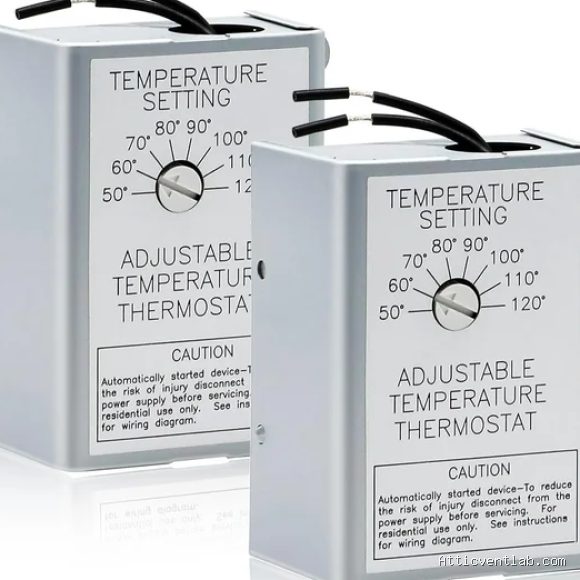
Heat is the primary enemy of electrical switchgear. Most attic thermostats are rated for specific temperature ranges, but they are rarely designed to withstand the ambient heat of an unventilated attic in mid-summer, which can easily exceed 140 degrees Fahrenheit. The excessive heat increases the resistance within the wiring and the switch contacts themselves.
📷 Photo by walmart.com
As resistance increases, the switch generates even more internal heat, creating a feedback loop. This heat buildup can cause the plastic housing of the switch to warp slightly, further destabilizing the internal mechanical parts. If you notice the humming only during the peak hours of the afternoon, you are witnessing the physical manifestation of this thermal fatigue.
Comparative Analysis of Attic Switch Issues
| Symptom | Primary Cause | Risk Level |
|---|---|---|
| Low-frequency hum | Electromagnetic coil vibration | Low to Moderate |
| Rapid clicking/buzzing | Contact arcing or loose wiring | High (Fire Hazard) |
| Intermittent operation | Thermal overload trip | Moderate |
| Burning plastic smell | Overheated insulation/wiring | Critical |
Risks of Ignoring the Humming
Ignoring a humming thermostat switch can lead to more than just an annoying noise. If the internal contacts are vibrating, they are creating electrical arcs. Each arc creates tiny pits on the contact surfaces, which increases resistance further, leading to more heat and more arcing. Over time, this process can fuse the contacts together, causing your attic fan to run continuously regardless of the temperature, or worse, causing the switch to fail in the off position when you need ventilation the most.
In extreme cases, the heat generated by a malfunctioning, buzzing switch can melt the wire insulation leading into the unit. Since the switch is located in the attic—an area often filled with dust, dry wood, and insulation—the risk of a localized electrical fire is a genuine safety concern that should not be overlooked.
Step-by-Step Troubleshooting Guide
If you suspect your thermostat switch is failing, follow these steps to diagnose and address the issue safely. Always ensure you have turned off the power at the main breaker before touching any electrical components.
- Confirm the power source: Locate the breaker panel and switch off the power to the attic ventilation system to ensure total safety.
- Inspect the wiring: Look for signs of discoloration, charred insulation, or melted plastic around the terminal screws of the thermostat.
- Check terminal tightness: Over time, the vibration caused by heat can loosen the screws holding the wires in place; use a screwdriver to ensure all connections are firm.
- Clean the contacts: If the switch is accessible and non-sealed, use an electrical contact cleaner to remove dust or debris that might be interfering with the mechanical movement.
- Monitor after cooling: Observe the unit once the attic has cooled down; if the humming persists even at lower temperatures, the relay coil has likely suffered permanent internal damage.
- Replacement: If the hum continues or if there is visible evidence of burning, replace the switch with a model rated for higher current loads or one specifically designed for harsh attic environments.
Preventative Maintenance Tips
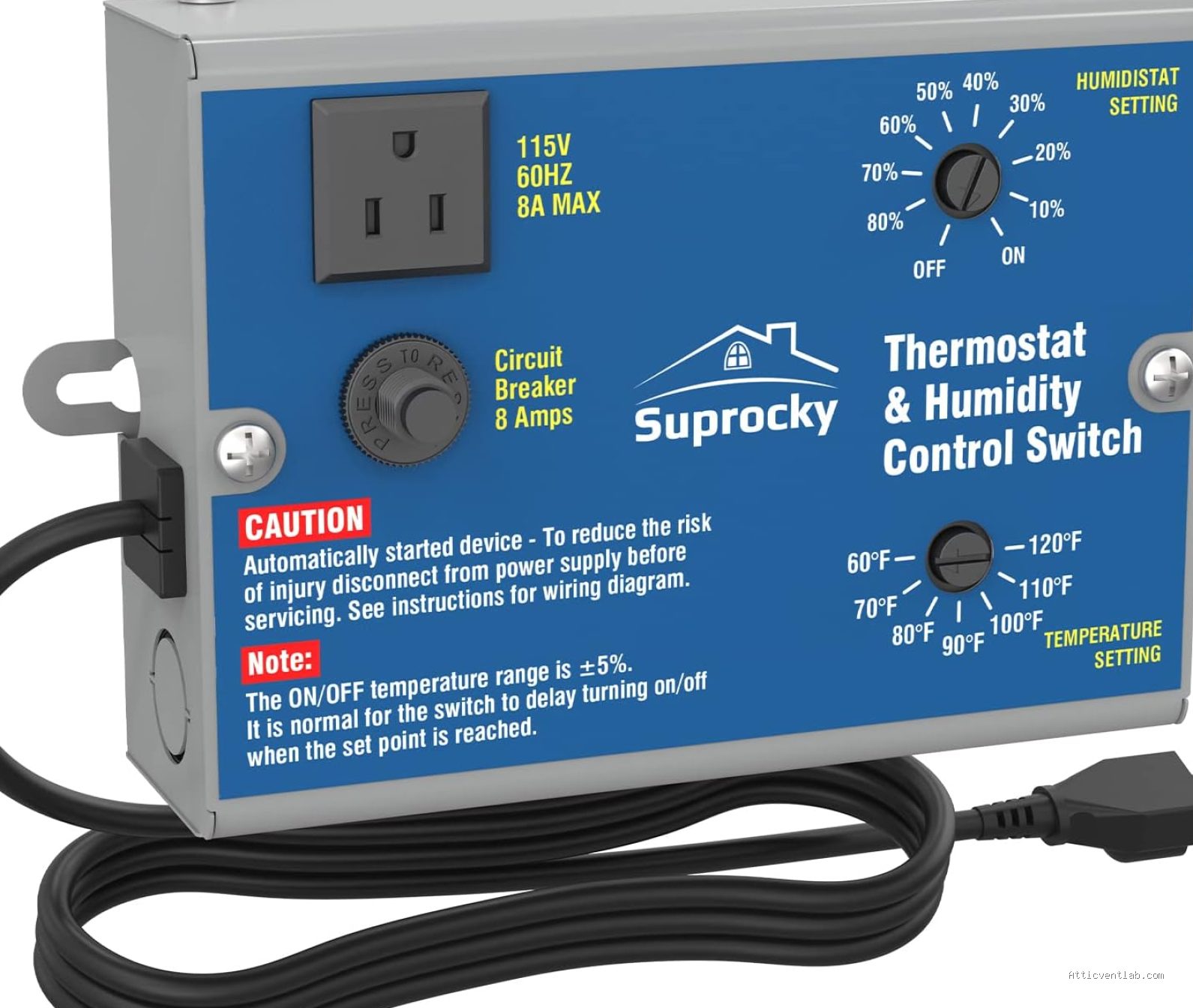
The best way to stop the humming is to reduce the ambient heat load on the switch. Ensure that the attic has proper intake and exhaust ventilation so that the temperature inside the attic does not spike as drastically. If the attic remains excessively hot, consider upgrading to a digital thermostat with a remote sensor, which allows the control unit to be mounted in a cooler location while the sensor monitors the attic temperature.
Furthermore, consider the age of your hardware. If your attic ventilation system is over 15 years old, the original thermostat switch may simply be obsolete. Modern solid-state switches or heavy-duty contactors are far less prone to the mechanical vibration issues seen in older bimetallic designs.
Frequently Asked Questions
Q: Is it dangerous if my thermostat makes a humming sound?
A: A light hum can be normal due to electromagnetic forces, but a loud buzzing or clicking is a sign of electrical arcing and should be inspected immediately to prevent fire hazards.
Q: Can I just spray lubricant into the switch to stop the noise?
📷 Photo by amazon.com
A: No. Never use standard lubricants inside an electrical switch, as they are flammable and can attract dust, which creates a significant fire risk. Use only approved electrical contact cleaner.
Q: Why does the humming stop at night?
A: The sound stops because the ambient temperature drops, causing the metal components to contract and the electrical load to stabilize, which reduces the vibration within the relay.
Final Considerations
When dealing with electrical components in an attic, always prioritize safety. If you are uncomfortable working with high-voltage wiring, or if you notice signs of melting or charred components, contact a licensed electrician. While the humming is a common symptom of thermal stress, it is a warning sign that the system is struggling, and proactive replacement is almost always cheaper and safer than dealing with a total component failure or an electrical fire.
📷 Photo by walmart.com



Leave a Reply