

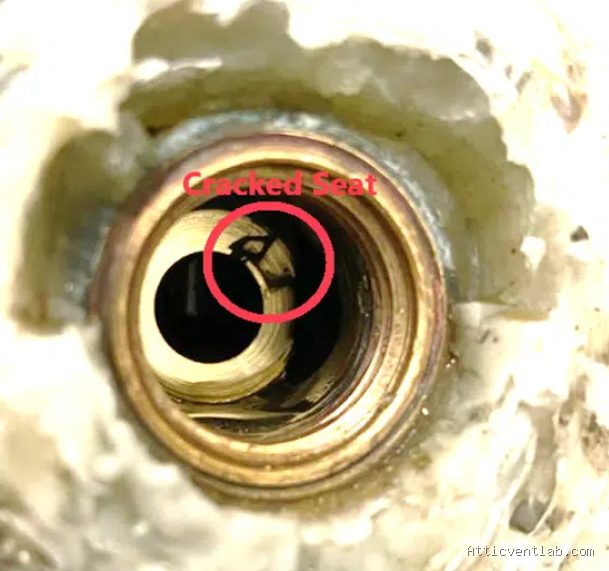
Atticventlab.com – EPDM washers crack prematurely on corrugated metal roofs primarily due to prolonged exposure to high-intensity ultraviolet (UV) radiation, thermal cycling, and chemical degradation from incompatible metal coatings. These factors cause the synthetic rubber to lose its elasticity, leading to brittleness and eventual structural failure that compromises the roof’s watertight seal.
The Chemistry of EPDM Degradation
EPDM (Ethylene Propylene Diene Monomer) is widely favored for roofing fasteners because of its inherent resistance to weather. However, it is not invincible. The chemical structure of EPDM relies on cross-linked polymers to maintain flexibility. When exposed to extreme solar radiation for extended periods, the bond energy in these polymers can break down, a process known as photo-oxidation. This turns a once-pliable gasket into a rigid, cracked material that can no longer expand and contract with the metal sheets.
Thermal Cycling and Mechanical Stress
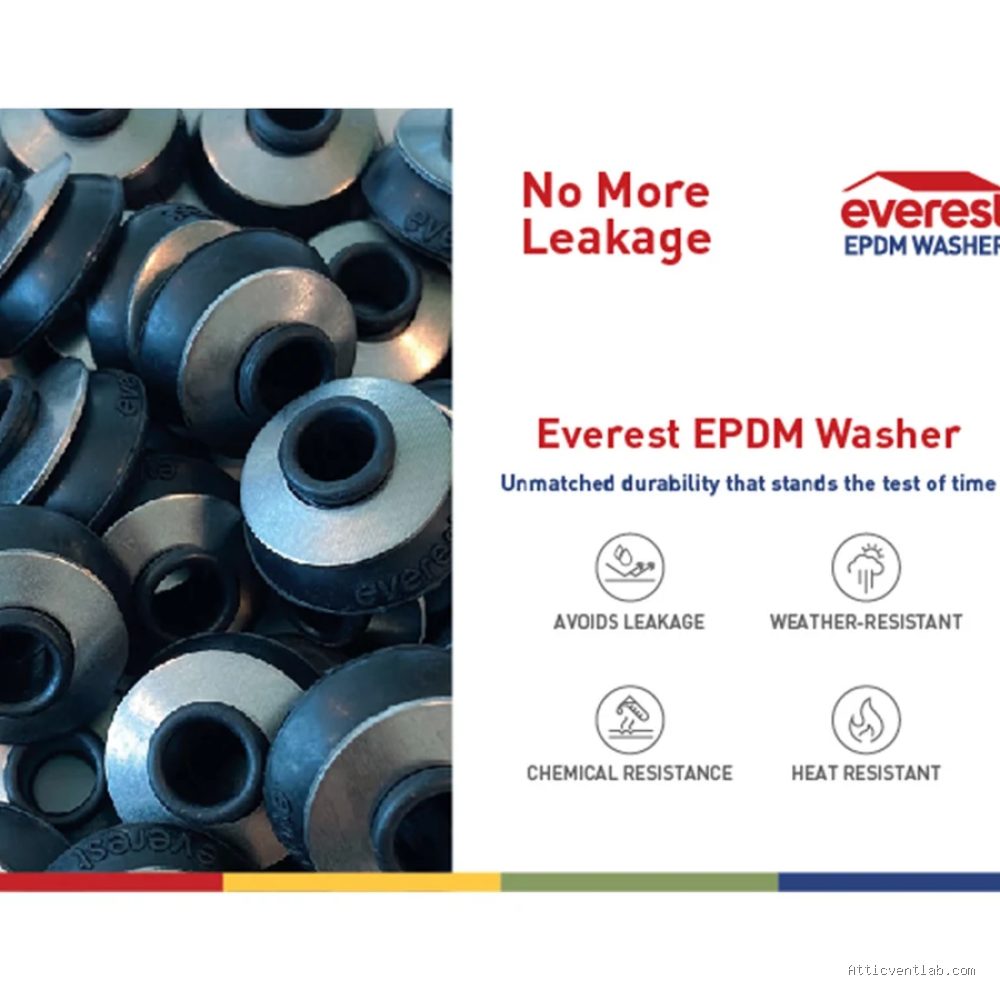
Metal roof sheets are notorious for their thermal expansion and contraction. During the day, the metal expands under the heat of the sun; at night, it contracts. If the EPDM washer is compressed too tightly during installation, it loses its ability to absorb this movement. The constant mechanical stress forces the washer to deform repeatedly. Over time, this cyclical strain creates micro-fissures that originate at the edge of the washer and propagate inward, eventually splitting the seal entirely.
Chemical Incompatibility and Corrosion
Not all metal roofs are created equal. Some modern metal coatings, particularly those containing specific oils or reactive zinc compounds, can migrate into the EPDM material. This is known as plasticizer migration. As the oils leave the rubber, the EPDM loses its internal lubrication, becoming dry and crumbly. Furthermore, if the washer is reacting with the metal surface, it may accelerate the corrosion of the fastener itself, causing the seal to lift and expose the roof substrate to moisture.
Comparison of Washer Failure Factors
| Failure Factor | Impact on EPDM | Resulting Symptom |
|---|---|---|
| Excessive UV Exposure | Chain scission of polymer bonds | Surface crazing and brittleness |
| Overtightening | Permanent deformation/compression set | Radial cracking at the edges |
| Chemical Migration | Loss of plasticizers | Dry, crumbly texture (chalking) |
| Thermal Fatigue | Mechanical stress accumulation | Deep structural splits |
Common Installation Errors to Avoid
Many premature failures are not the fault of the material itself, but rather the installation technique. A common mistake is using an impact driver to tighten screws until the washer is squashed flat. A properly installed EPDM washer should show a slight bulge at the edges, indicating a secure seal without over-compression. If the washer looks like a thin, flat disc, the internal structure has already been compromised by excessive force.
Another issue is the angle of installation. If the fastener is driven into the corrugated sheet at an angle, the pressure on the washer is uneven. One side of the washer receives significantly more compression than the other. This uneven distribution creates a point of failure where water is most likely to ingress, leading to rust on the metal sheet and further degradation of the rubber seal.
Steps for Inspecting and Replacing Failed Washers
- Conduct a visual inspection using high-resolution binoculars or a drone to identify signs of “crazing” or cracking around the fastener heads.
- Check for localized rust rings around the screw; this is a primary indicator that the EPDM seal has already failed and moisture is entering the hole.
- Use a handheld probe or a small flathead screwdriver to gently touch the washer; if it feels hard, brittle, or crumbles to the touch, it has reached the end of its service life.
- Remove the failed fastener using a manual socket driver to prevent further damage to the corrugated metal sheet.
- Clean the area around the hole with a mild solvent to remove any residue or oxidation before installing a new, high-quality EPDM washer with a stainless steel cap.
- Tighten the new fastener until the washer just begins to expand outward, ensuring an even, snug fit without flattening the rubber profile.
Environmental Risks and Maintenance
Buildings located in coastal environments or high-altitude regions face a higher risk of premature washer failure. Salt spray in the air can accelerate the degradation of both the metal and the rubber components. Similarly, high-altitude regions experience more intense UV radiation, which significantly shortens the lifespan of synthetic rubbers. Regular maintenance schedules—ideally every three to five years—are essential for identifying these failures before they lead to interior water damage.
It is also worth noting that low-quality, cheap EPDM washers often contain high levels of fillers, such as calcium carbonate, instead of pure polymer. These fillers are susceptible to faster breakdown when exposed to the elements. When performing repairs, always source washers from reputable manufacturers who provide documentation on weather resistance and tensile strength.
Q: Is it possible to apply a sealant over a cracked EPDM washer?
A: While a high-quality UV-resistant silicone or polyether sealant can provide a temporary patch, it is not a permanent solution. The structural integrity of the washer is already compromised, and the sealant will eventually lose its bond as the metal continues to move, necessitating a full replacement of the fastener.
Q: How can I tell if my washer is made of EPDM or a cheaper alternative?
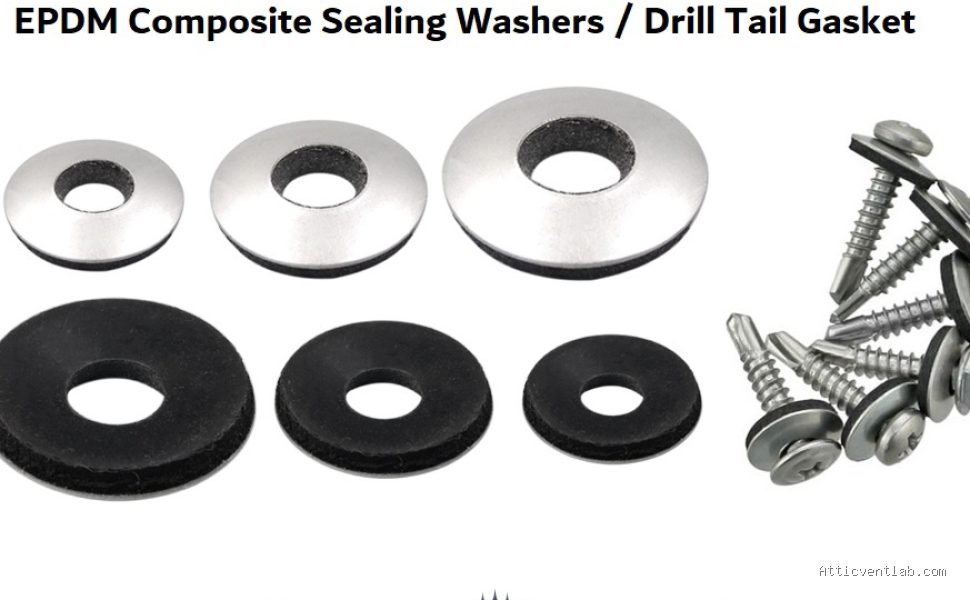
A: Genuine EPDM typically has a matte finish and a consistent, uniform texture. Cheaper alternatives, often made of recycled rubber or plastic blends, tend to have a shiny, oily, or uneven surface and will often emit a strong chemical odor when exposed to direct heat.
Q: Does the color of the roof affect the lifespan of the washer?
A: Yes. Darker colored metal roofs absorb more heat, leading to higher surface temperatures. This creates a more intense thermal environment for the EPDM washer, which can accelerate the rate of thermal fatigue and chemical degradation compared to lighter, more reflective roof colors.
📷 Photo by conradmartens.com.au



Leave a Reply