
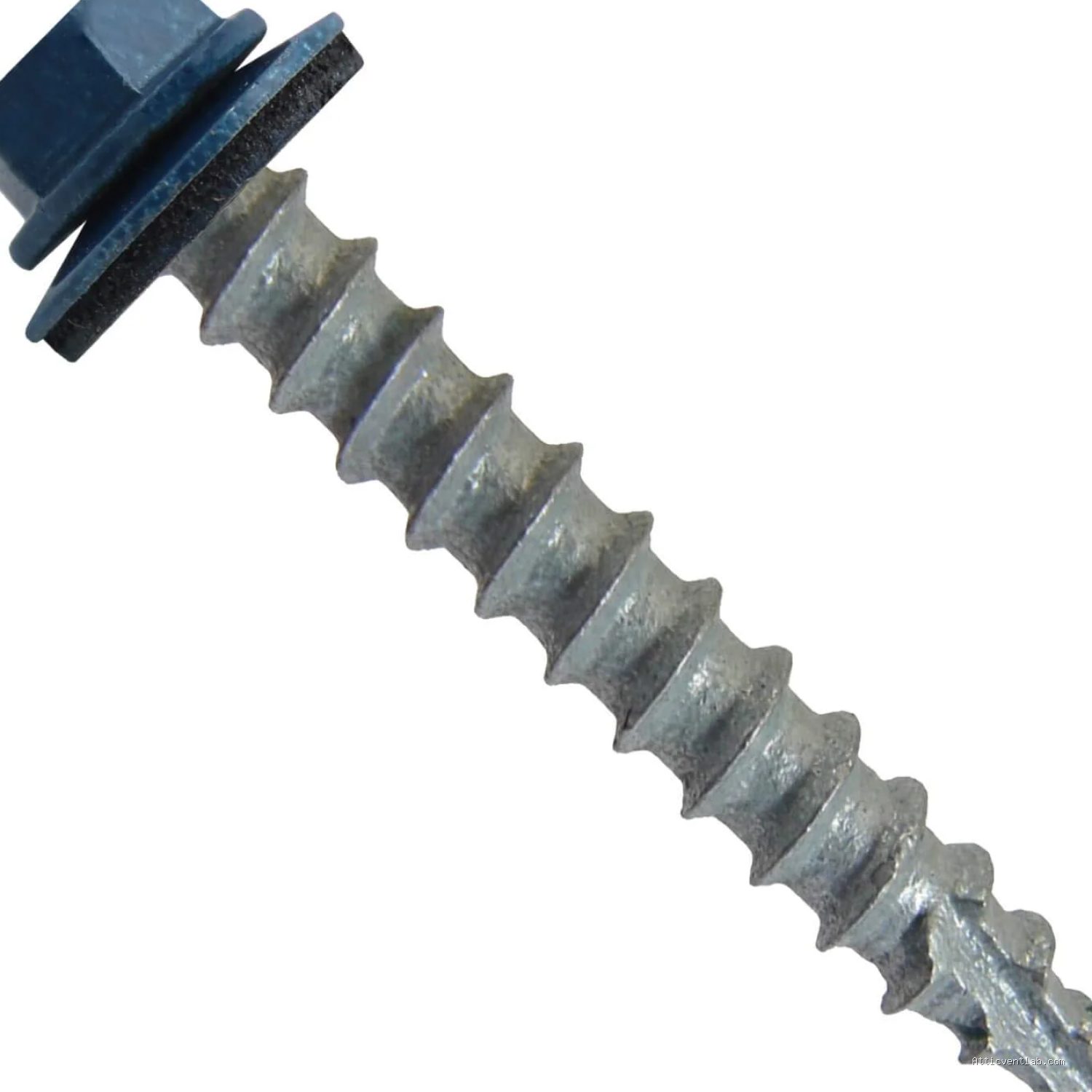
Atticventlab.com – Roofing screws back out primarily due to thermal expansion and contraction cycles that cause metal panels to shift, eventually loosening the fasteners from the underlying wooden purlins. This movement compromises the watertight seal, leading to potential roof leaks and structural degradation if not addressed promptly.
The Mechanics Behind Screw Back-Out
Metal roofing is a dynamic system. Because metal has a high coefficient of thermal expansion, it expands significantly when heated by the sun and contracts as temperatures drop at night. A standard metal panel can expand or contract by a fraction of an inch over its length. If the fasteners are installed too tightly or if the pilot holes are misaligned, the metal panels exert lateral pressure on the screws during these movements.
Over time, this mechanical “walking” force effectively unscrews the fastener. Once the screw loses its grip on the wood substrate, the neoprene washer beneath the screw head is no longer compressed. This creates a gap where water can penetrate, leading to rust, mold growth, and rotting of the structural roof decking underneath.
Common Causes of Fastener Failure
While thermal movement is the leading culprit, several other factors contribute to premature screw failure. Installing screws at an angle, rather than perfectly perpendicular to the metal surface, prevents the washer from sitting flush. This uneven pressure point creates a weak seal that fails as soon as the panel moves.
Another common mistake is over-driving the fastener. Using a high-torque impact driver can strip the threads in the wooden purlin. Once the wood fibers are shredded, the screw loses its “bite” and can easily back out due to wind vibration or slight building settling. Conversely, under-driving the screw leaves the rubber washer loose, allowing water to seep in immediately.
Identifying the Signs of Trouble
You should inspect your metal roof at least twice a year, specifically after extreme seasonal temperature changes. Visible signs include screws that appear to be floating above the panel surface, cracked or degraded neoprene washers, and streaks of rust radiating from the fastener head. If you notice any of these, the integrity of your roofing system is already compromised.
Comparison of Fastener Problems and Solutions
| Issue | Primary Cause | Recommended Fix |
|---|---|---|
| Stripped Threads | Over-tightening with impact driver | Replace with a larger diameter screw |
| Cracked Washer | UV exposure or extreme heat | Replace screw and washer assembly |
| Screw Back-out | Thermal expansion movement | Re-seat and apply roofing sealant |
| Rust Bleed | Galvanic corrosion or loose seal | Clean area and apply liquid membrane |
Practical Steps to Reseal and Secure Your Roof
If you find that your screws are backing out, it is essential to act before the hole in the metal panel becomes enlarged. Follow these steps to restore the integrity of your roof:
- Clear the area around the loose screw of any debris, dirt, or old sealant using a stiff-bristled brush.
- Remove the loose fastener completely to inspect the hole; if the hole is severely elongated or the wood substrate is rotted, you may need a larger diameter screw or a wooden plug to re-anchor the fastener.
- Apply a high-quality, UV-resistant polyurethane roofing sealant into the hole and around the surrounding metal.
- Insert a new, slightly larger screw (such as a #14 gauge if you previously used #12) into the original hole to ensure a tight grip on fresh wood fibers.
- Drive the screw until the neoprene washer is compressed firmly against the panel, but stop immediately when the washer begins to bulge slightly; do not over-tighten.
- Apply a final dab of sealant over the screw head for an extra layer of moisture protection.
Preventative Maintenance Tips
The best way to avoid future back-outs is proper installation. Always use a drill with an adjustable clutch rather than a high-speed impact driver. The clutch allows you to set the torque so the tool stops automatically once the washer is properly seated. Additionally, ensure that your fasteners are compatible with the metal panel material to prevent galvanic corrosion, which can weaken the connection point over time.
If you live in an area with extreme temperature fluctuations, consider using fasteners designed with larger, high-quality EPDM washers. These washers remain pliable longer than standard rubber, allowing them to absorb more of the panel’s movement without breaking the seal.
Frequently Asked Questions
Q: Can I just tighten the loose screws without adding sealant?
A: No. Once a screw has backed out, the underlying wood fibers are likely damaged, and the original seal is broken. Simply tightening it will not prevent water from entering through the damaged hole or the degraded washer; you must use sealant to ensure a watertight bond.
Q: How often should I check for loose screws on my metal roof?
A: It is recommended to perform a visual inspection of your fasteners every six months. Pay closer attention after a winter with extreme temperature swings or a summer with prolonged heat waves, as these conditions maximize the thermal movement of the metal panels.
Q: Is it necessary to replace every screw if only a few are backing out?
A: If you notice a widespread issue, it might indicate that the fasteners were installed incorrectly across the entire roof. However, if it is only a few isolated screws, you can replace them individually. Always prioritize fixing any screw where the washer shows visible signs of cracking or UV degradation.
Regular maintenance is the hallmark of a long-lasting metal roof. By addressing loose screws before they lead to structural rot, you protect your investment and extend the lifespan of your property significantly. Always prioritize safety when working on a roof, and if the slope is steep or the area is large, consider hiring a professional roofing contractor to handle the repairs.
📷 Photo by walmart.com