

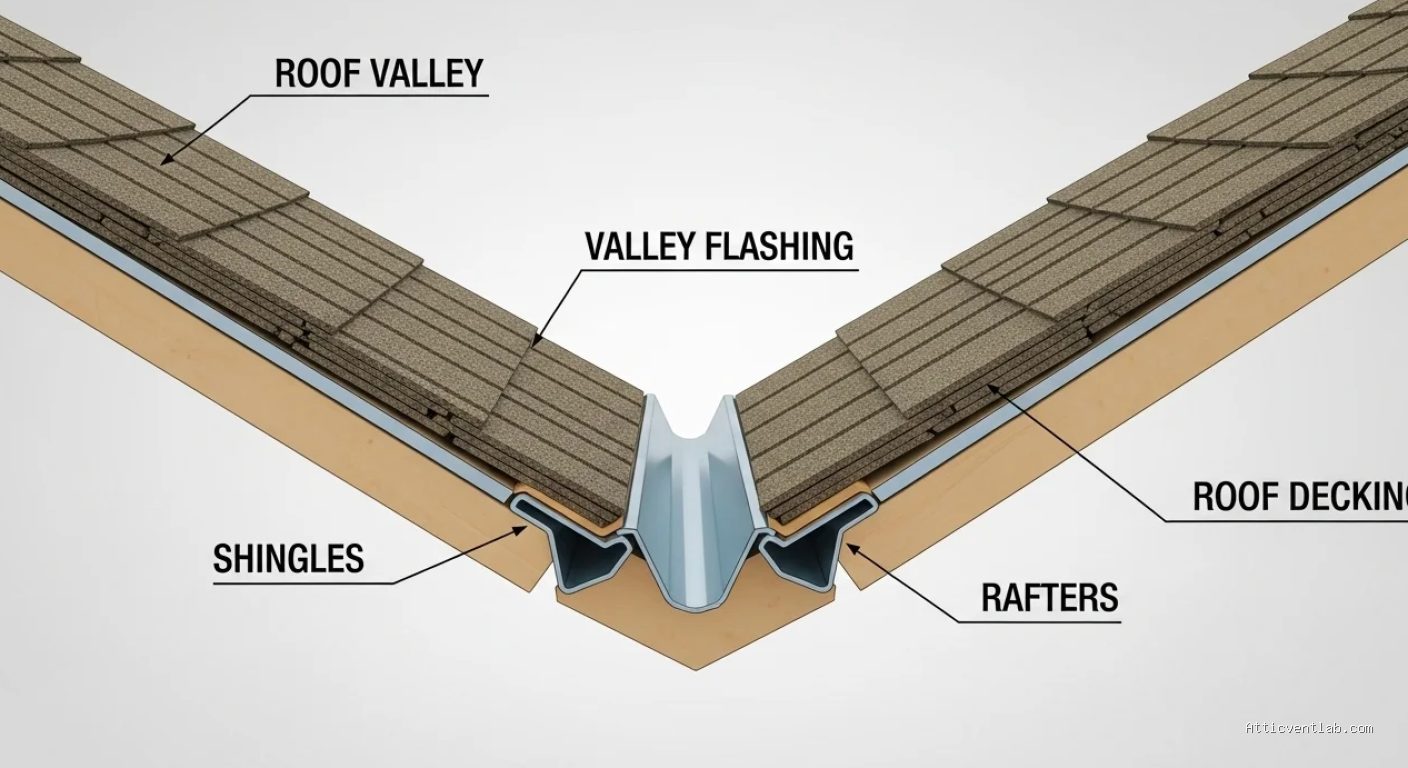
Atticventlab.com – Shingles that overhang the roof edge too far block valley water flow by creating a dam-like effect that traps debris, causes ice dams, and forces water to seep backward under the roofing underlayment. This obstruction disrupts the natural channel of your roof, leading to premature rot, structural water damage, and interior leaks.
Understanding the Valley Water Drainage Mechanism
Roof valleys are the most critical drainage points on any sloped roof structure. They act as a funnel for the entire surface area of two intersecting roof planes. When shingles are installed with an excessive overhang, they create a physical lip that catches leaves, pine needles, and shingle granules. Instead of water flowing freely into the gutter system, the debris creates a sludge that dams the water, forcing it to remain stagnant in the valley.
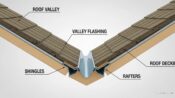
The primary function of a valley is to provide a clear, unobstructed path for water to exit rapidly. When the shingle edges are too long, they curl or sag over time, especially under the weight of trapped debris. This not only slows down the water exit but often redirects the flow horizontally toward the valley flashing, where it is more likely to find a seam or a nail head and penetrate the roof deck.
Visible Signs of Blocked Valley Flow
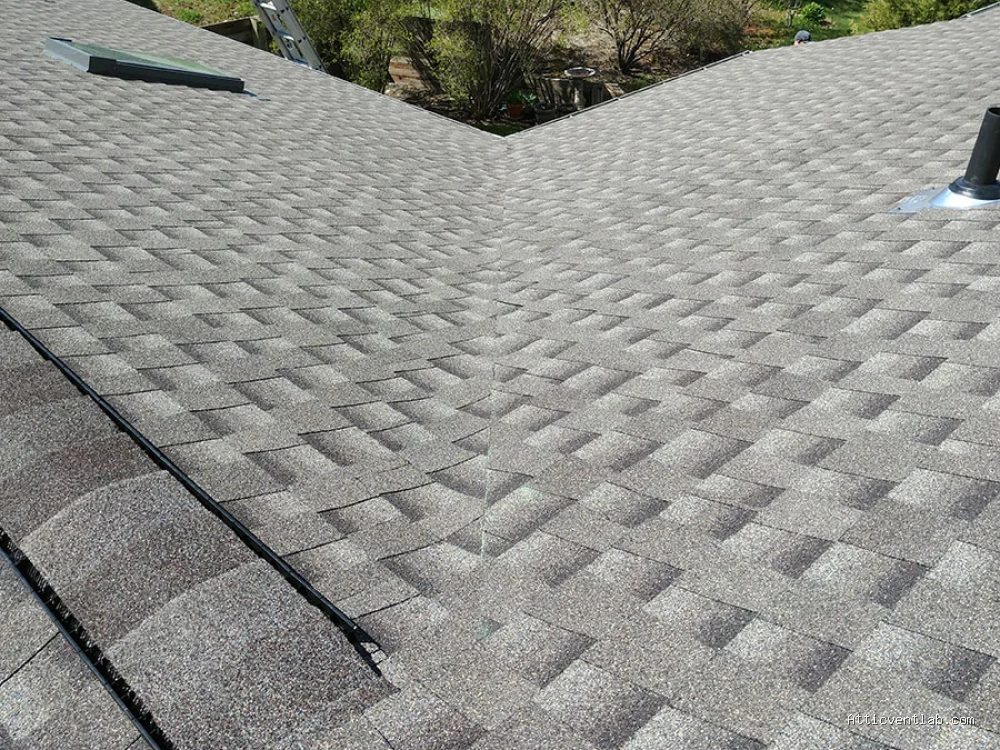
Homeowners often overlook roof valleys until water starts dripping through the ceiling. However, there are subtle visual indicators that suggest your shingles are overhanging too far and causing drainage issues. The most common sign is the accumulation of granular sludge or organic matter specifically within the V-shaped channel.
Another warning sign is the presence of “shingle curl” at the valley edge. When shingles extend past the drip edge or the valley flashing, the unsupported portion is exposed to extreme temperature fluctuations. This causes the shingles to lose their rigidity, bow downward, and eventually act as a hook that catches debris. If you notice dark, damp patches or moss growth localized only in the valley, it is a strong indicator that water is not draining efficiently.
📷 Photo by design.udlvirtual.edu.pe
Risks of Ignoring Drainage Obstructions
The risks associated with blocked valley flow extend far beyond simple exterior aesthetics. When water is held in place by an overhanging shingle, it exerts hydrostatic pressure on the roof assembly. This pressure can force water through the overlap of the valley flashing, leading to the decay of the wooden roof deck beneath the shingles.
Over time, this moisture leads to mold growth in the attic space directly below the valley. Furthermore, during winter months, the stagnant water in the valley freezes, creating localized ice dams. These ice dams push shingles upward, further breaking the seal of the roofing system and creating a perpetual cycle of leakage and material degradation.
Comparison of Valley Drainage Conditions
| Feature | Properly Installed Valley | Blocked/Overhanging Valley |
|---|---|---|
| Water Flow | Rapid and Unobstructed | Slow or Dammed |
| Debris Accumulation | Minimal/Natural Clearing | Heavy/Trapped Sludge |
| Shingle Edge | Flush with Flashing | Curled/Sagging Overhang |
| Risk of Leakage | Low | High (Seepage) |
Steps to Correct Excessive Shingle Overhang
If you have identified that your shingles are indeed causing a blockage, you must act before the next heavy rain or snow season. Follow these steps to restore proper drainage:
- Conduct a thorough inspection of the valley from a safe vantage point or using a drone to confirm the extent of the overhang and debris blockage.
- Carefully remove any trapped leaves, pine needles, or granules using a soft-bristled brush or a plastic scraper to avoid damaging the mineral surface of the shingles.
- Measure the existing overhang; standard industry practice suggests an overhang of no more than 0.5 to 0.75 inches beyond the drip edge or flashing.
- Use a sharp roofing hook blade to trim the overhanging shingle edges, ensuring the cut is clean and allows water to flow directly into the flashing or gutter.
- Seal the cut edge if necessary using a high-quality, UV-resistant roofing adhesive to prevent wind uplift and further curling.
- Inspect the underlying flashing for any signs of rust or corrosion that may have resulted from the stagnant water, replacing it if the integrity is compromised.
Common Mistakes During Maintenance
One of the most frequent errors homeowners make is trimming the shingles too short. While you want to avoid an excessive overhang, cutting the shingles flush with the valley flashing can leave the metal exposed to direct sunlight and ice, which may cause the flashing to expand and contract excessively. Aim for a balance where the shingle covers the edge of the flashing but does not extend far enough to trap debris.
Another error is using the wrong tools. Using a standard utility knife often results in jagged cuts or accidental slices into the underlayment beneath the shingles. Always use a dedicated roofing hook blade, which is designed to cut through thick asphalt shingles without damaging the sensitive layers underneath. If you are uncomfortable working at heights or on a sloped roof, it is highly recommended to hire a professional roofing contractor to perform these adjustments safely.
FAQ
Q: How much should shingles overhang the edge of a roof valley?
A: Ideally, shingles should overhang by no more than 0.5 to 0.75 inches. Anything beyond this typically interferes with water flow and encourages debris buildup.
Q: Can I use a pressure washer to clear a blocked valley?

📷 Photo by storage.googleapis.com
A: No. Pressure washing can strip the protective granules from your shingles, shorten their lifespan, and potentially force water under the shingles, which creates the very leaks you are trying to prevent.
Q: Is it normal to see moss in my roof valley?
A: Small amounts of moss might occur due to shade, but heavy moss growth in a valley is a clear sign of persistent moisture retention caused by poor drainage or blockage.
Conclusion
Maintaining clear valleys is one of the most effective ways to extend the life of your roof. By monitoring for overhanging shingles and ensuring that water has a clear path to your gutter system, you prevent the most common causes of interior water damage. Regular inspections and timely, precise trimming of shingle edges will protect your home from the silent threat of trapped moisture and structural decay.
Read also: How to Flash Around Solar Panel Mounting Brackets on Shingle Roofs
📷 Photo by mkbestroofing.com



1 Comments
[…] Read also: Signs of Blocked Valley Water Flow Caused by Shingles Overhanging Too Far […]