

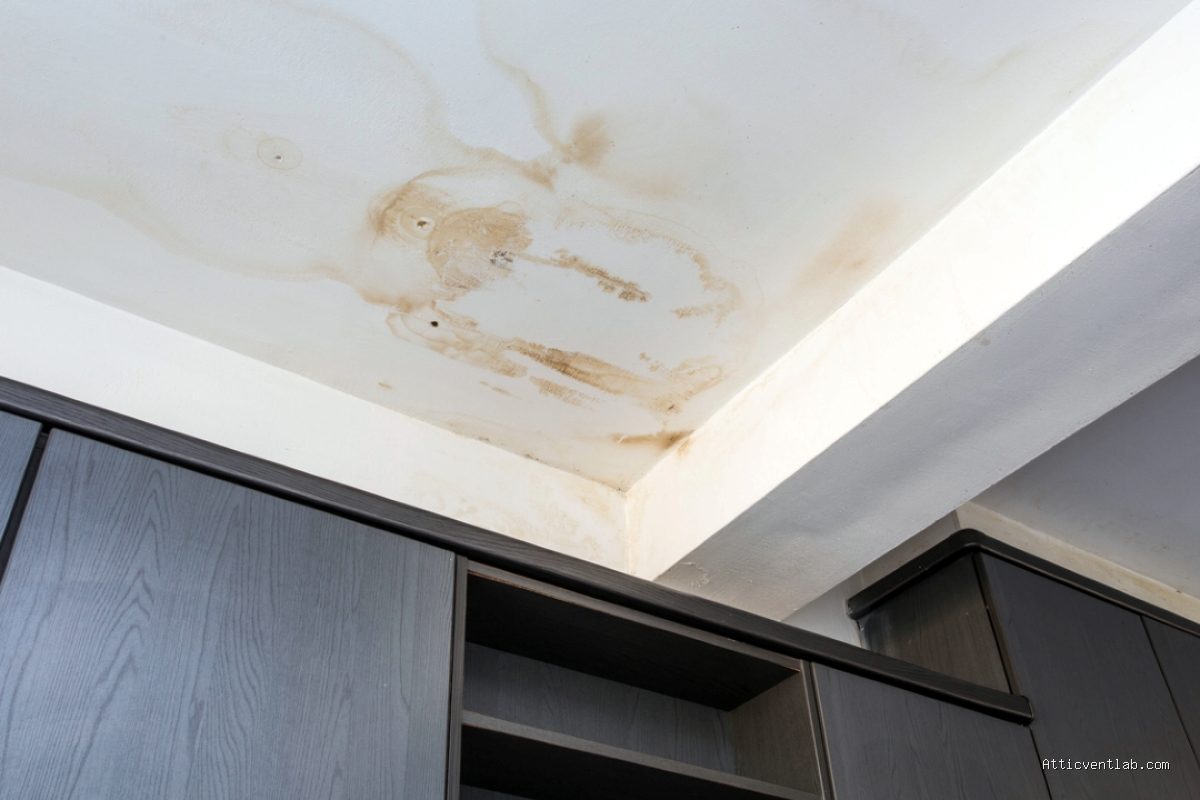
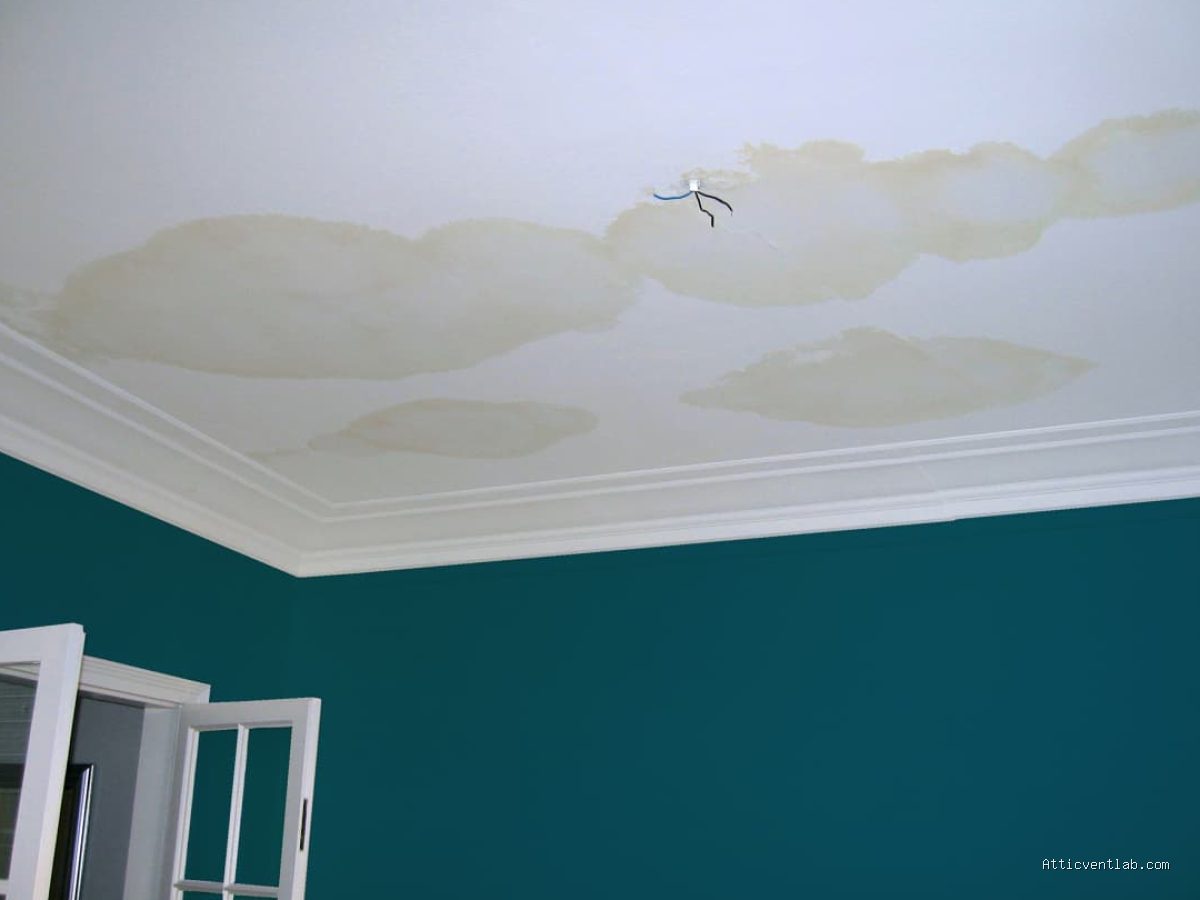
Atticventlab.com – Brown water rings on ceilings adjacent to exterior brick walls are primarily caused by water infiltration through compromised mortar joints, deteriorated flashing, or capillary action where moisture bypasses the brick veneer and settles into the ceiling assembly.
Finding a discolored ring on your ceiling is always a cause for concern, especially when that area is located near an exterior brick wall. Many homeowners mistakenly assume these stains are always the result of a roof leak, but the unique nature of masonry construction often points toward more specific, localized building envelope failures. Understanding the mechanics of how water travels through brickwork is the first step in protecting your home from structural rot and mold growth.
The Role of Capillary Action and Weep Holes
Brick is naturally porous, meaning it acts like a sponge during heavy rain. While brick veneer is designed to allow some moisture behind it, there must be a clear path for that water to exit. If the weep holes at the base of the brick wall are blocked by debris, landscaping, or incorrect flashing installation, water will accumulate behind the brick. Eventually, this trapped moisture seeks the path of least resistance, which often leads it horizontally into the ceiling joists or drywall adjacent to the wall.
Common Causes of Moisture Infiltration
Compromised Mortar Joints: Over time, mortar between bricks cracks and recedes. These hairline fractures allow wind-driven rain to be forced directly into the wall cavity. Once the mortar is compromised, it no longer sheds water effectively, acting instead as a funnel for moisture to enter your home’s structure.
Flashing Failures: The flashing where the roof meets the brick wall is a critical point of failure. If the metal counter-flashing is loose, rusted, or incorrectly tucked into the mortar joint, water will run down the face of the brick and slip behind the metal barrier, dripping directly onto the ceiling below.
Condensation Issues: Sometimes, the brown stain isn’t from a liquid leak at all. If the area near the exterior brick wall lacks proper insulation, warm interior air meets the cold brick surface, leading to condensation. This moisture collects on the ceiling material, causing discoloration and potentially encouraging fungal growth over time.
Signs of Imminent Damage
Beyond the visible brown ring, you should look for secondary indicators that the situation is worsening. Peeling paint on the exterior brick, white powdery deposits known as efflorescence, or a musty odor near the wall are all red flags. If you notice the ceiling drywall feels soft or spongy to the touch, the saturation has likely reached a point where the structural integrity of the material is compromised.
| Indicator | Potential Severity | Likely Action Required |
|---|---|---|
| Light yellow staining | Low | Monitor and check exterior caulking |
| Dark brown, expanding ring | Medium | Professional inspection of flashing/mortar |
| Soft/spongy drywall | High | Immediate repair and moisture remediation |
| Visible mold or mildew | Critical | Structural assessment and professional cleanup |
Step-by-Step Inspection Process
Before calling a contractor, you can perform a preliminary investigation to narrow down the source of the water. Follow these steps to identify the breach:
- Inspect the exterior mortar joints for hairline cracks or missing mortar in the area directly above the interior stain.
- Check the roof-to-wall flashing for any gaps where the metal meets the brick.
- Verify that the weep holes at the bottom of the brick wall are clear of dirt and mulch.
- Use a moisture meter on the interior ceiling to determine if the area is currently active or if the stain is a remnant of a past, resolved issue.
- Observe the wall during a heavy rainstorm to see if water is actively tracking down the brick surface or seeping through specific mortar joints.
The Risks of Neglect
Ignoring a brown water ring is a common mistake, but it often leads to exponential repair costs. Water that enters the ceiling assembly doesn’t just stain the drywall; it wicks into wooden framing, leading to wood rot. Furthermore, the damp environment is a breeding ground for mold, which can compromise indoor air quality and pose health risks to occupants. If the moisture is reaching the electrical wiring within the ceiling, it also introduces a significant fire hazard.
Tips for Prevention
Regular maintenance is the best defense against brick-related moisture issues. Ensure that all mortar joints are repointed by a professional mason as soon as you notice signs of degradation. Maintain a clear gap between your soil line and the brick weep holes to ensure the wall cavity can breathe. Additionally, applying a high-quality, breathable masonry water repellent can prevent the brick from absorbing excessive moisture during storm events.
FAQ
Q: Can I just paint over the brown water ring on my ceiling?
A: Painting over a water stain without fixing the source of the moisture is ineffective. The stain will eventually bleed through the new paint, and the underlying structural damage will continue to worsen, leading to more costly repairs later.
Q: How do I know if the leak is coming from the roof or the brick wall?
A: If the stain is located exactly where the roof meets the wall, it is likely a flashing failure. If the stain appears further down the ceiling, away from the roofline, it is more likely related to water seeping through the brick face or mortar joints higher up on the wall.
Q: Is efflorescence a sign that water is entering my home?
📷 Photo by storables.com
A: Efflorescence, the white chalky substance on bricks, indicates that water is moving through the masonry. While it is not always a sign of an active interior leak, it confirms that your brick is absorbing moisture, which increases the risk of future infiltration.
Addressing these issues early is essential. By understanding that brick is a system rather than a solid barrier, you can better maintain the integrity of your home and prevent the minor inconvenience of a water ring from becoming a major structural repair project.
Read also: How to Silence Vibrating Attic Fan Blades Mounted on Rafter Brackets
📷 Photo by bobvila.com







1 Comments
[…] Read also: Causes of Brown Water Rings on Ceilings Adjacent to Exterior Brick Walls […]