

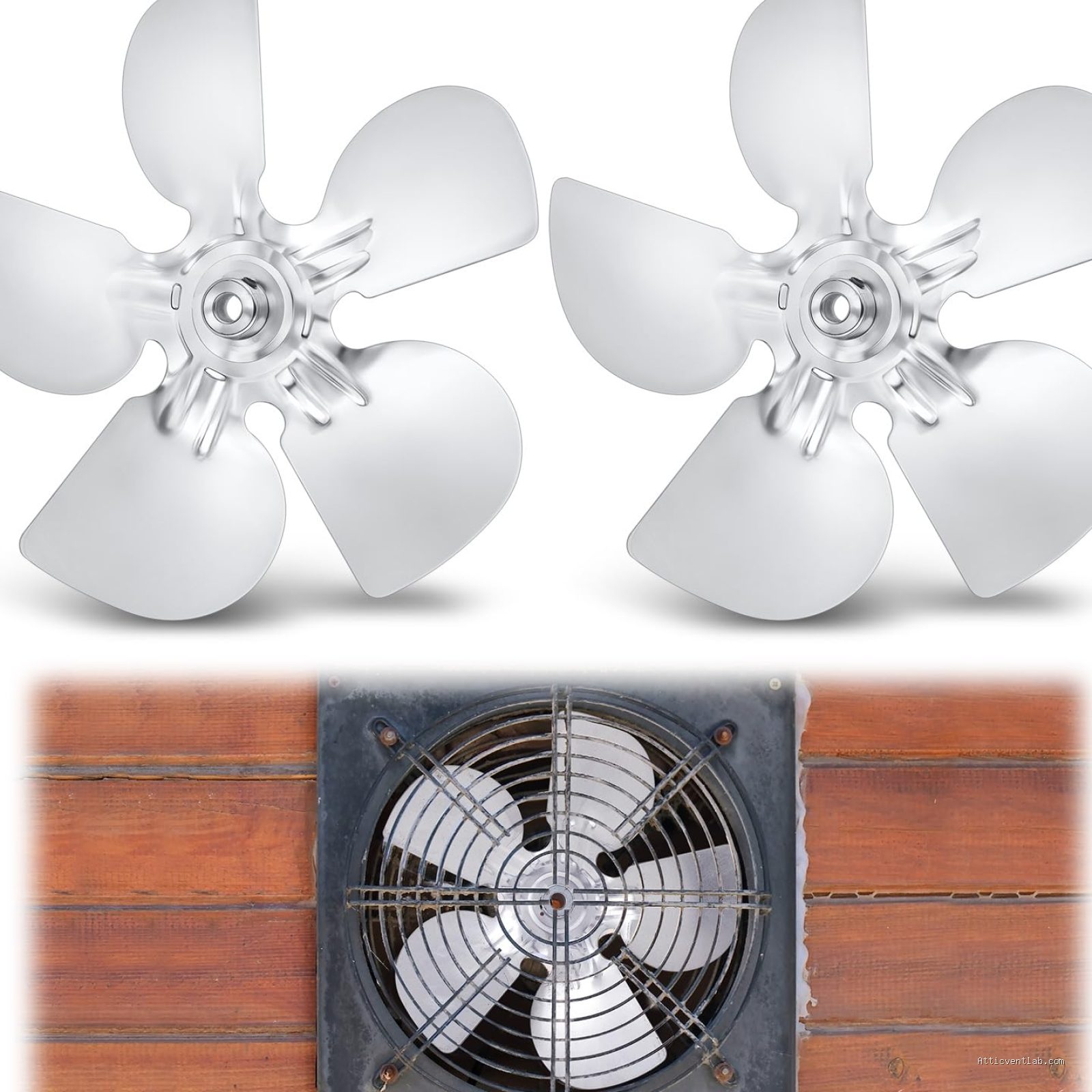
Atticventlab.com – Silencing a vibrating attic fan mounted on rafter brackets requires isolating the motor’s mechanical energy from the structural wood frame using rubber vibration dampeners, tightening all loose fasteners, and ensuring the fan blades are perfectly balanced.
Attic fans are essential for maintaining roof health, but their mechanical operation can turn your attic rafters into a soundboard. When a fan motor vibrates, it sends high-frequency waves through the mounting brackets directly into the wooden rafters. This structural resonance is often what homeowners perceive as a loud humming or rhythmic thumping sound throughout the house.
Identifying the Source of Vibration
Before applying a fix, you must distinguish between blade imbalance and motor-to-frame transmission. If the vibration is constant and rhythmic, it is likely the blades. If the noise is a low-frequency hum that vibrates the walls, the issue is almost certainly the connection between your mounting brackets and the wooden rafters.
Common culprits include dried-out rubber grommets, loose bolts that have rattled over time, or the bracket itself being mounted flush against the wood without any buffer material. Even a fraction of an inch of play in the mounting hardware can lead to significant noise amplification.
The Importance of Mechanical Isolation
The goal of silencing an attic fan is to decouple the motor assembly from the attic structure. Wood is an excellent conductor of vibration. By placing a soft, dense material between the metal bracket and the rafter, you interrupt the path of the mechanical energy. This simple act of isolation often reduces noise levels by 50 to 70 percent.
Beyond isolation, check the blades. If a blade is slightly bent, it creates an uneven load on the motor shaft, causing a wobble that no amount of cushioning can fix. You can test this by gently spinning the fan by hand while the power is off to see if the blades track evenly.
Step-by-Step Guide to Silencing the Fan
- Turn off the power to the attic fan at the circuit breaker to ensure complete safety before touching the assembly.
- Inspect the mounting brackets for loose screws or bolts and tighten them securely using a socket wrench or screwdriver.
- Loosen the mounting bolts one by one and slide a rubber vibration dampener or a thick neoprene washer between the bracket and the rafter.
- Ensure the fan housing is not touching any other nearby structural components or ductwork that could be vibrating in sympathy.
- Clean the fan blades thoroughly to remove dust buildup, as uneven debris distribution is a frequent cause of oscillation.
- Re-tighten the bracket bolts, but avoid overtightening, which can compress the rubber washers too much and negate their dampening effect.
Comparison of Noise Reduction Methods
| Method | Effectiveness | Cost | Difficulty |
|---|---|---|---|
| Rubber Washers | High | Low | Easy |
| Tightening Fasteners | Medium | None | Easy |
| Blade Cleaning | Medium | None | Medium |
| Motor Replacement | Very High | High | Hard |
Common Mistakes to Avoid
A frequent error is using metal-on-metal connections without any barrier. Many installers screw the bracket directly into the rafter, creating a direct bridge for vibration. Never use wood screws that are too short, as they will pull out over time due to the constant oscillating force of the motor.
Another mistake is ignoring the fan blades themselves. If you have successfully isolated the bracket but the noise persists, look for “nicks” or bent edges on the blades. Even a small piece of tape or a glob of dust on one side of a blade can throw the entire assembly off balance, creating a centrifugal force that shakes the whole unit.
When to Seek Professional Help
If you have installed dampeners, tightened all hardware, and balanced the blades, yet the fan still produces a grinding noise, the problem may be internal. Worn-out motor bearings often create a deep, metallic growl that cannot be silenced by external mounting adjustments. In this case, the motor itself is the source of the vibration, and it may need to be replaced or lubricated if the model allows for it.
Always prioritize safety when working in an attic. Ensure you have proper lighting, a stable platform to stand on, and that all wiring is handled with extreme caution. If you are uncomfortable working with electrical components, consult a licensed electrician or an HVAC specialist.
Frequently Asked Questions
Q: Can I use duct tape to balance the fan blades?
A: While you can use a small piece of tape on the lighter blade to test for balance, it is not a permanent solution. Use proper adhesive balancing weights designed for fans to ensure the fix lasts through seasonal temperature changes.
Q: Why does the noise get louder at night?
A: Ambient noise levels drop significantly at night, making the low-frequency hum of a vibrating attic fan more noticeable. Additionally, temperature changes can cause the wood rafters to expand or contract, which may tighten or loosen the vibration path.
Q: Will rubber washers melt in a hot attic?
A: Standard rubber can become brittle in extreme heat. Always opt for EPDM (ethylene propylene diene monomer) or high-temperature silicone washers, which are designed to withstand the harsh thermal environment of an attic space without failing.
Read also: Signs of Galvanic Corrosion Between Copper Valley Metal and Steel Screws
📷 Photo by narodnatribuna.info



1 Comments
[…] Read also: How to Silence Vibrating Attic Fan Blades Mounted on Rafter Brackets […]