

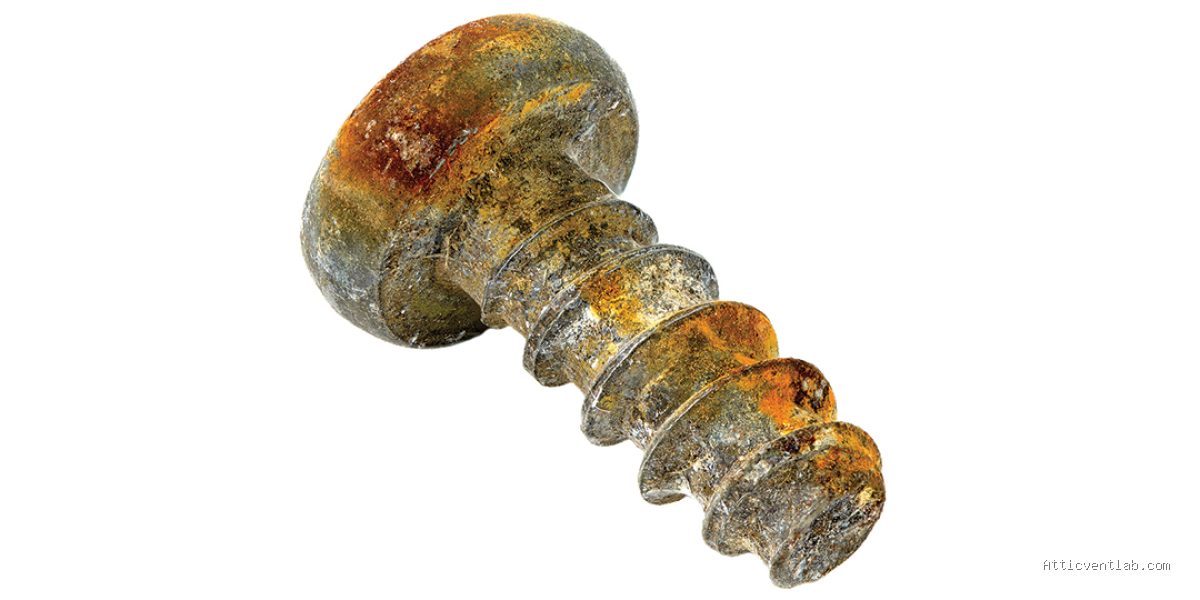
Atticventlab.com – Galvanic corrosion between copper valley metal and steel screws occurs when dissimilar metals create an electrochemical reaction in the presence of moisture, leading to rapid degradation of the steel fasteners and potential roof leaks. This process effectively turns the connection point into a battery, causing the less noble metal—the steel screw—to corrode prematurely.
Understanding the Electrochemical Process
Galvanic corrosion, or bimetallic corrosion, is a fundamental electrochemical phenomenon. When two metals with different electrode potentials are in electrical contact while submerged in an electrolyte like rainwater, a current flows between them. Copper is a highly noble metal, meaning it is resistant to corrosion. Steel, particularly carbon steel, is much less noble. When these two are coupled, the copper acts as the cathode and the steel acts as the anode. The steel begins to sacrifice its structural integrity to protect the copper, leading to rust, expansion of the screw head, and eventual failure of the fastening system.
Visual Signs of Corrosion
Identifying this issue early is critical for preventing water infiltration into your attic or wall cavities. The first sign is often the appearance of localized rust streaks emanating from the screw head. Because copper is reactive with oxygen and moisture, you may also notice a greenish-blue patina forming around the screw penetration point. This discoloration is not just a sign of copper oxidation; it often indicates that the steel underneath is actively corroding and pushing the copper material upward, creating a gap that allows moisture to enter.
If you notice the screw heads appearing pitted, enlarged, or covered in a flaky, reddish-brown substance, the structural bond is likely already compromised. In severe cases, the screw may snap off entirely, leaving a loose fastener that allows the valley flashing to flutter during high winds. This movement further damages the surrounding copper, creating larger holes and accelerating the leakage pathway.
The Galvanic Series and Compatibility
The severity of the reaction depends on the distance between the two metals on the galvanic series chart. Copper and stainless steel are generally more compatible than copper and zinc-plated or carbon steel. However, even with stainless steel, a dielectric barrier is often recommended to ensure long-term performance in coastal or high-humidity environments.
| Screw Material | Compatibility with Copper | Corrosion Risk Level | |
|---|---|---|---|
| Carbon Steel (Zinc-plated) | Poor | Extreme | |
| Galvanized Steel | Poor | High | |
| 304 Stainless Steel | Fair | Moderate | |
| 316 Stainless Steel | Good | Low | |
| Silicon Bronze | Excellent | Negligible |
Risks of Ignoring the Damage
Ignoring galvanic corrosion leads to more than just aesthetic issues. As the steel screw degrades, it loses its clamping force. This means the copper valley flashing is no longer held tightly against the roof deck. During heavy rain, wind-driven water can be forced under the flashing, bypassing the protective layer and soaking the wooden roof sheathing. Over time, this leads to wood rot, mold growth, and structural failure of the roof substrate. Furthermore, the buildup of rust can stain the beautiful finish of the copper, turning a premium architectural feature into an eyesore.
Steps to Inspect and Repair Galvanic Corrosion
If you suspect your roof is suffering from this issue, follow these steps to assess and mitigate the damage.
- Perform a visual inspection using binoculars or a ladder to identify rust stains or green corrosion buildup around every fastener.
- Use a non-marring tool to gently test the tightness of the screws; if a screw turns freely or feels loose, it has lost its structural integrity.
- Remove the corroded screws one by one, ensuring you do not leave open holes in the roof deck for an extended period.
- Clean the area around the hole to remove any loose rust or debris that could impede a new seal.
- Replace the old fasteners with high-quality, compatible alternatives such as silicon bronze or high-grade 316 stainless steel screws with integrated EPDM rubber washers.
- Apply a small dab of specialized roof sealant under the new screw head to provide an additional layer of protection against moisture contact.
Common Mistakes to Avoid
Read also: How to Seal Headwall Flashing Where a Lower Shingle Roof Meets Siding
A frequent error homeowners make is assuming that all “stainless steel” screws are the same. Using low-grade stainless steel in a coastal environment can still result in tea-staining or minor galvanic activity. Always specify the grade. Another mistake is over-tightening the replacement screws. Because the copper valley flashing is thin, excessive torque can deform the metal, creating “dimples” that act as collection points for water, which only serves to accelerate future corrosion.
Additionally, avoid using rubber washers that have already been flattened or degraded. The washer serves as a dielectric barrier, preventing direct metal-to-metal contact. If the washer is cracked, the barrier is broken, and the galvanic process will resume immediately. Always use new, UV-resistant EPDM washers with every replacement fastener.
Frequently Asked Questions
Q: Can I use aluminum screws with copper flashing?
A: No, aluminum and copper are extremely far apart on the galvanic scale. Using aluminum fasteners with copper will result in rapid, aggressive corrosion that can destroy the fastener in a matter of months.
Q: Is painting the screw head a permanent fix?
A: Painting is only a temporary cosmetic solution. It does not stop the electrochemical reaction occurring beneath the surface or inside the wood, as the electrolyte (water) will eventually find its way behind the paint or through the seal.
Q: Why does the copper turn green?
A: The green color is a copper carbonate patina, which is a natural protective layer. However, when combined with rust from steel screws, it indicates that the copper is reacting to the acidic environment created by the corroding steel, which can lead to localized thinning of the copper sheet.
Final Considerations
Maintaining the integrity of your copper valley flashing is essential for the longevity of your roof system. By choosing the right fasteners from the start, you avoid the headache of retrofitting and potential water damage. If you are currently facing active corrosion, prioritize replacing the fasteners immediately to prevent the damage from spreading to the structural wood underneath. Investing in high-quality hardware like silicon bronze ensures that your roof remains both functional and visually appealing for decades to come.
📷 Photo by sentinelgrp.com.au


1 Comments
[…] Read also: Signs of Galvanic Corrosion Between Copper Valley Metal and Steel Screws […]