

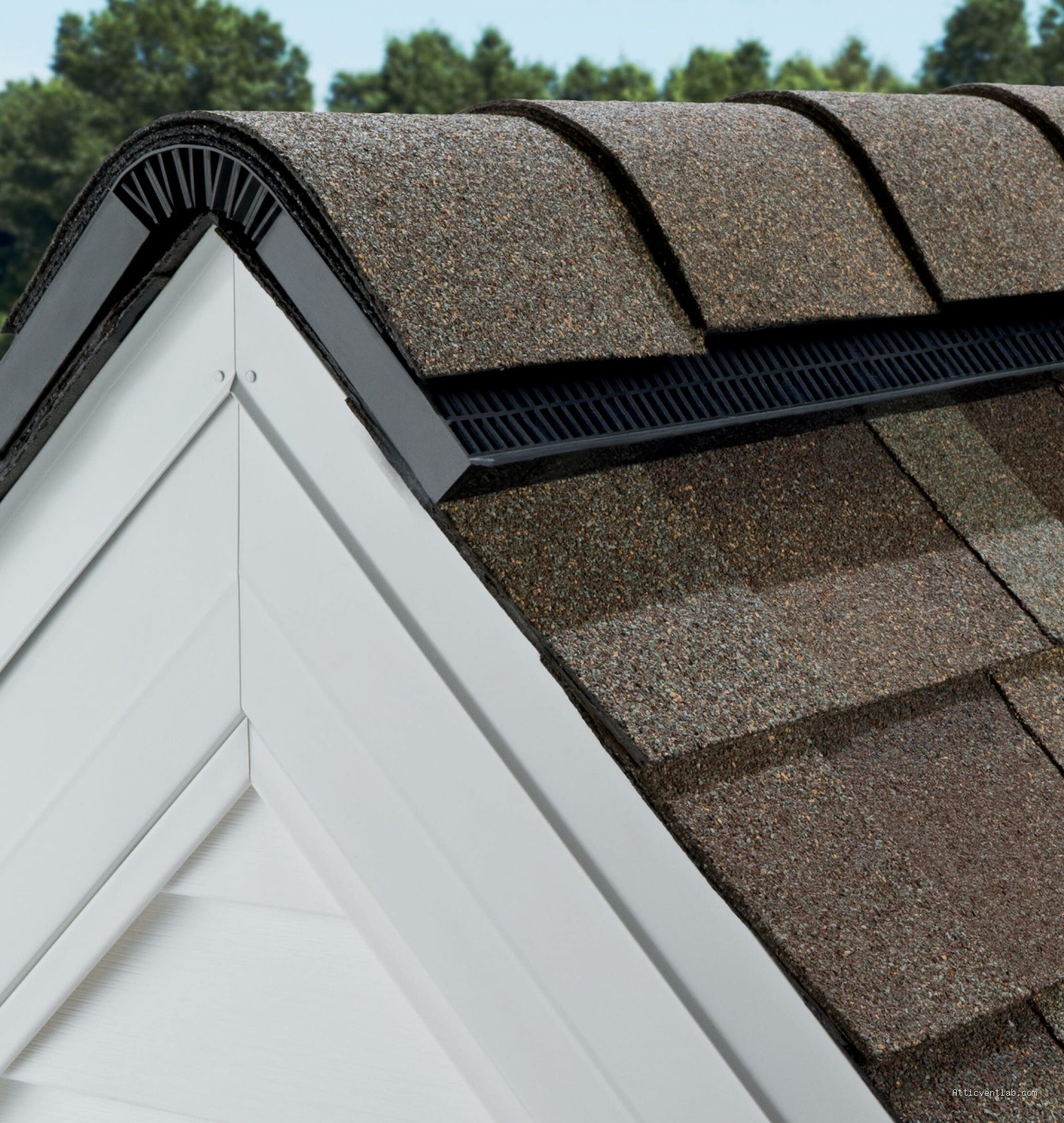
Atticventlab.com – Water bleeding around ridge vent end caps during high winds typically occurs due to wind-driven rain infiltration caused by improper sealant application, degraded foam gaskets, or a lack of internal baffles that fail to deflect moisture under extreme pressure.
Homeowners often notice water spots on their attic insulation or decking specifically after intense storms, leading to confusion about whether the roof is leaking or the ventilation system is failing. Understanding why this happens requires looking at the physics of airflow and the mechanical integrity of the ridge vent components.
The Mechanics of Wind-Driven Rain
During high-wind events, air pressure differentials become extreme. When wind hits the side of a house, it creates positive pressure on the windward side and negative pressure on the leeward side. This pressure gradient forces air—and any suspended moisture—into every available gap. If the end caps of a ridge vent are not sealed with high-quality weather-resistant caulk, the wind acts as a pressurized hose, driving water droplets horizontally into the attic space.
Another common cause is the “capillary action” effect. If the shingles covering the ridge vent are not properly spaced or if the end cap profile does not perfectly match the roof pitch, water can be drawn inward along the surface of the materials. Even a small gap of a few millimeters is sufficient for capillary action to pull moisture past the barrier.
Common Culprits Behind the Leakage
The most frequent culprit is the failure of the foam gasket. Many ridge vent manufacturers include a foam strip designed to seal the unit against the roof deck. Over time, these gaskets become brittle due to UV exposure and fluctuating attic temperatures. Once the gasket loses its elasticity, it creates micro-channels that allow water to bypass the primary defense layer during heavy downpours.
Installation error is equally prevalent. Many contractors fail to install “end plugs” properly, relying solely on the outer cap to keep water out. Without a dedicated internal plug or specialized sealant, the end of the ridge vent is essentially an open tunnel for wind-blown debris and precipitation.
Read also: How to Drive Hex Head Roofing Screws Straight Without Tilting the Washer
Comparative Analysis of Ridge Vent Vulnerabilities
| Feature | Standard Plastic End Cap | Metal Prefabricated Cap | Custom Sealed System |
|---|---|---|---|
| Durability | Low (UV brittle) | High | Very High |
| Seal Quality | Poor | Moderate | Excellent |
| Wind Resistance | Low | Moderate | High |
| Cost | Budget-friendly | Mid-range | Premium |
Steps to Diagnose and Seal Ridge Vent End Caps
If you suspect your ridge vent is the source of water intrusion, follow this systematic approach to identify the breach and rectify the issue.
- Inspect the attic during a dry day to locate light gaps or visible signs of water staining around the ridge beam.
- Clear away any debris or old, crumbling foam gaskets that currently sit under the exterior end cap.
- Apply a thick bead of exterior-grade, UV-resistant polyurethane sealant to the underside of the end cap before refastening.
- Install a secondary barrier or “baffle” if the design allows, ensuring that the air can still escape while the path for water is physically blocked.
- Check the shingles overlapping the vent to ensure they are not curled or lifted, as these act as the first line of defense against driving rain.
The Risks of Ignoring Moisture Intrusion
Ignoring water bleeding around your ridge vent is a recipe for long-term structural damage. Even small amounts of water, if introduced frequently, will lead to the decay of the wooden roof decking (sheathing). This creates a cycle where the wood softens, the nails lose their grip, and the ridge vent becomes even looser, exacerbating the problem.
Furthermore, moisture in the attic environment is the primary catalyst for mold growth. Once mold spores take hold in the fiberglass insulation or the underside of the plywood, they can spread rapidly, compromising the air quality of the entire home. Addressing the end cap seal is not just about roof maintenance; it is a critical step in protecting the health of your home’s ecosystem.
Practical Tips for Long-Term Prevention
When performing repairs, avoid using standard silicone, as it often fails to adhere to asphalt shingle granules over long periods. Instead, opt for a high-performance elastomeric sealant that remains flexible in both freezing winter temperatures and scorching summer heat. Additionally, ensure that the ventilation system is balanced; if you have too much intake at the soffits, it can sometimes push air out through the ridge vent with such force that it interferes with the vent’s ability to shed water.
Always verify that the end caps are manufactured specifically for your ridge vent model. “Universal” caps often leave small gaps at the corners where the shingle profile meets the vent, which are prime entry points for wind-driven rain.
Frequently Asked Questions
Q: Does the color of the end cap affect its performance in high winds?
A: The color does not inherently affect wind resistance, but darker end caps absorb more heat, which can cause the underlying sealant or foam gasket to degrade faster than lighter-colored alternatives.
Q: Can I use duct tape to seal the gaps temporarily?
A: No, duct tape will lose its adhesive properties within weeks due to roof temperature fluctuations and will eventually fall off, potentially blocking the ventilation airflow and creating further moisture issues.
Q: How often should I inspect my ridge vent end caps?
A: It is recommended to inspect them every two to three years, or immediately following any severe storm event involving high-velocity winds or hurricane-force gusts.
By taking a proactive stance on maintenance and understanding how wind interacts with your roof’s architecture, you can effectively eliminate water bleeding at the ridge vent. Proper sealing techniques and the use of high-quality materials will ensure your attic remains dry, regardless of the weather conditions outside.
📷 Photo by eccroofing.com


1 Comments
[…] Read also: Causes of Water Bleeding Around Ridge Vent End Caps During High Winds […]