

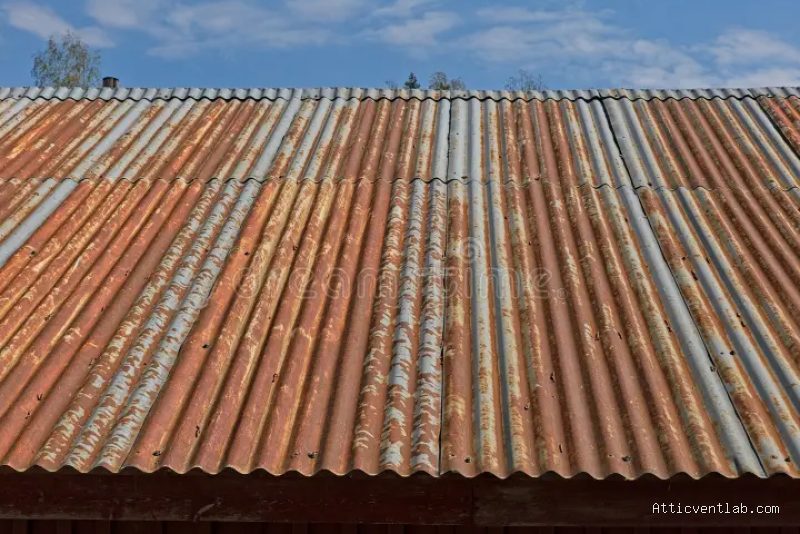
Atticventlab.com – Roof leaks originating from rusty valley center rib cracks occur when moisture penetrates oxidized metal fissures, typically caused by structural stress, improper fastener installation, or chronic debris accumulation that traps water against the metal surface. These leaks manifest as localized ceiling stains or internal water dripping directly beneath the valley flashing, requiring immediate remediation to prevent widespread structural rot.
Understanding the Mechanics of Valley Corrosion
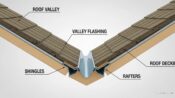
The valley of a roof is the most vulnerable point of any shingle or metal roofing system. It acts as a primary drainage channel where multiple roof planes converge. When a metal valley flashing—specifically one featuring a center rib designed to prevent water cross-flow—develops cracks due to rust, the integrity of the entire drainage system is compromised. Rust does not appear overnight; it is the result of a slow, electrochemical process triggered by the breakdown of protective coatings.
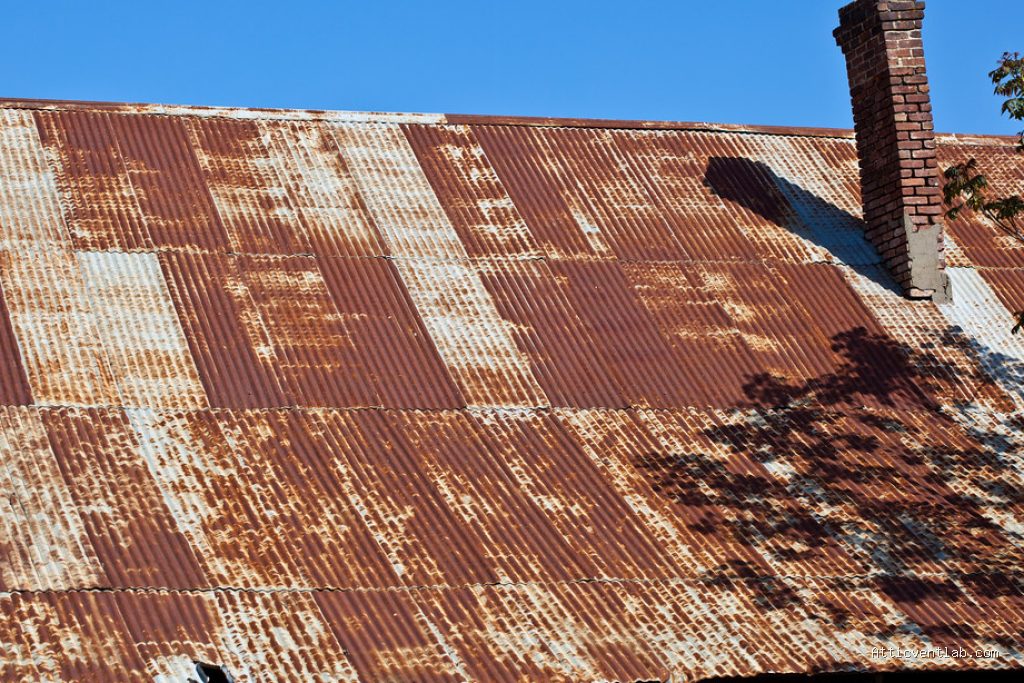
📷 Photo by storage.googleapis.com
The center rib of a valley flashing is often subjected to the most physical stress. During freeze-thaw cycles, the expansion and contraction of the metal can cause hairline fractures. If the factory finish or galvanization is scratched during installation, these cracks become entry points for oxygen and moisture. Once rust begins, it expands, pushing the metal apart and widening the fissure, eventually allowing water to bypass the flashing and soak the underlying roof deck.
Common Causes of Rib Cracks and Rust
Several factors contribute to the deterioration of valley center ribs. The most frequent culprit is the accumulation of organic debris. Leaves, pine needles, and sediment gather in the valley, creating a “dam” that holds standing water against the metal. This persistent moisture prevents the metal from drying out, accelerating the oxidation process significantly.
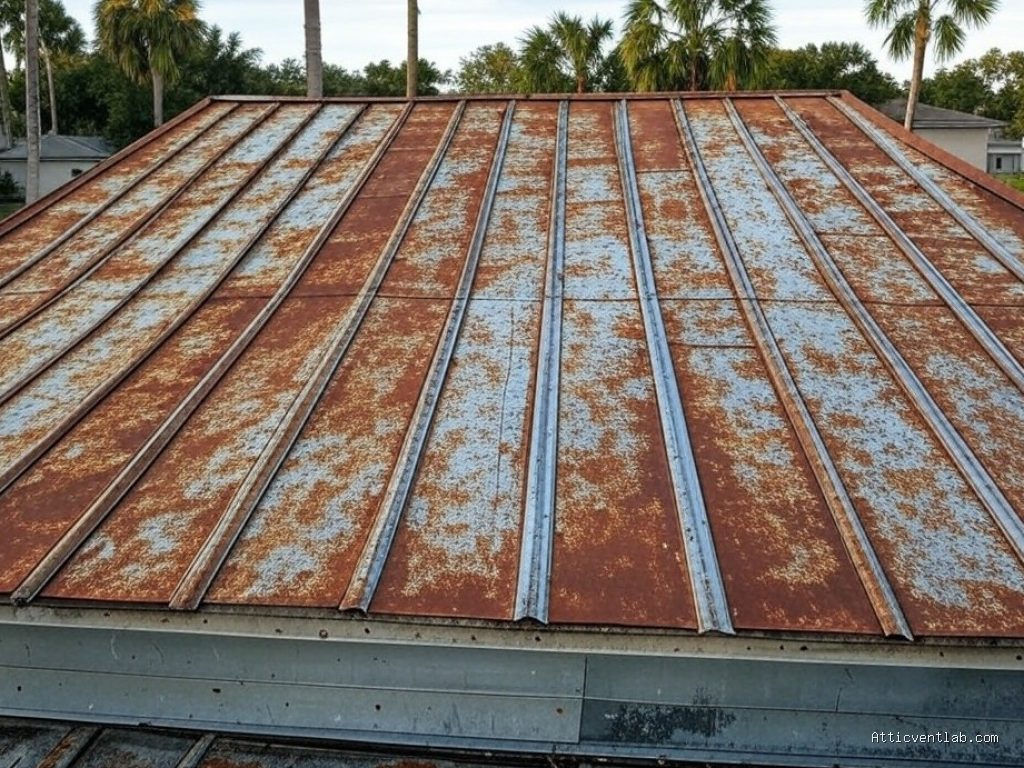
📷 Photo by steadfastroofingfl.com
Another major cause is improper fastening. If a contractor drives nails or screws too close to the center rib, the metal is forced to stretch or buckle. Over time, the vibration from wind or the natural thermal movement of the building causes the metal to crack around these fastener holes. Additionally, the use of incompatible metals—such as placing copper fasteners against steel flashing—can lead to galvanic corrosion, which eats through the metal much faster than standard atmospheric rusting.
Assessing the Severity of the Damage
Identifying whether a leak is caused by a rusty rib requires a thorough inspection of the attic space and the exterior roof. Signs of trouble include orange or brown staining on the underside of the roof sheathing, a musty odor in the attic, or visible sagging in the valley area. On the exterior, look for pitting, bubbling paint, or exposed red rust along the center line of the flashing.
| Damage Level | Visual Indicators | Recommended Action |
|---|---|---|
| Level 1 (Surface) | Minor discoloration, no visible cracks | Clean, prime with rust-inhibitor, and repaint |
| Level 2 (Pitting) | Small pinholes, localized flaking | Apply high-grade roofing sealant or tape |
| Level 3 (Structural) | Large cracks, metal fatigue | Full replacement of the valley flashing section |
Steps to Mitigate and Repair Valley Leaks
Read also: How to Apply Butyl Tape Underneath Metal Roof Overlap Seams Cleanly
If you have identified a leak stemming from a cracked valley rib, temporary patches can stop the influx of water, but permanent repair often requires professional intervention. Follow these steps to assess and address the issue safely.
- Clear the valley of all debris, including moss, leaves, and shingles grit, using a soft brush to avoid further scratching the metal surface.
- Inspect the center rib using a high-intensity flashlight to trace the exact location of the cracks and determine if the rust has penetrated through the metal.
- Clean the affected area with a wire brush to remove loose rust, then wipe it down with a specialized metal cleaner or solvent to ensure a clean bonding surface.
- Apply a thick layer of high-performance, UV-resistant polyurethane roof sealant or a specialized flashing repair tape over the crack, ensuring it extends at least two inches beyond the damaged area.
- Monitor the interior ceiling during the next heavy rainfall to verify that the leak has ceased and check for any moisture accumulation in the surrounding attic insulation.
The Risks of Neglecting Valley Maintenance
Ignoring a small rust spot on a valley rib is a common mistake that leads to expensive structural repairs. When water leaks through a cracked rib, it does not just drip into the attic; it saturates the wooden rafters and plywood sheathing. This promotes wood rot, which weakens the load-bearing capacity of the roof. Furthermore, persistent moisture in the attic creates an ideal environment for mold growth, which can impact indoor air quality and pose health risks to occupants.
In extreme cases, the corrosion can spread to the surrounding roof fasteners, causing them to loosen and allowing individual shingles or metal panels to blow off during high winds. The cost of replacing an entire roof section due to neglected water damage is significantly higher than the cost of periodic roof cleaning and minor flashing repairs.
Preventative Maintenance Tips
To extend the life of your valley flashing, prioritize seasonal maintenance. At least twice a year, remove all debris from the roof, paying special attention to valleys. Ensure that your gutters are clean, as overflowing gutters can back up water into the roof edges and valleys. If you live in an area with high acidity in the rain or proximity to salt air, consider applying a clear, protective metal coating every few years to act as a sacrificial barrier against oxidation.
Q: Can I use duct tape to fix a leaking roof valley?
A: No. Duct tape is not UV-resistant, lacks the necessary adhesive strength for roofing applications, and will degrade quickly under exposure to the elements, leading to further leaks.
Q: How long should metal valley flashing typically last?
A: High-quality galvanized steel or aluminum flashing can last 20 to 30 years, while copper flashing can last 50 years or more, provided it is installed correctly and kept clear of debris.
Q: Does a rusty valley rib always mean the whole roof needs replacing?
A: Not necessarily. If the rust is isolated to the valley flashing and the rest of the roofing material is in good condition, professional roofers can often perform a “flashing reset” or install a new valley liner without disturbing the entire roof system.
📷 Photo by dreamstime.com



1 Comments
[…] Read also: Causes of Roof Leaks Originating from Rusty Valley Center Rib Cracks […]