

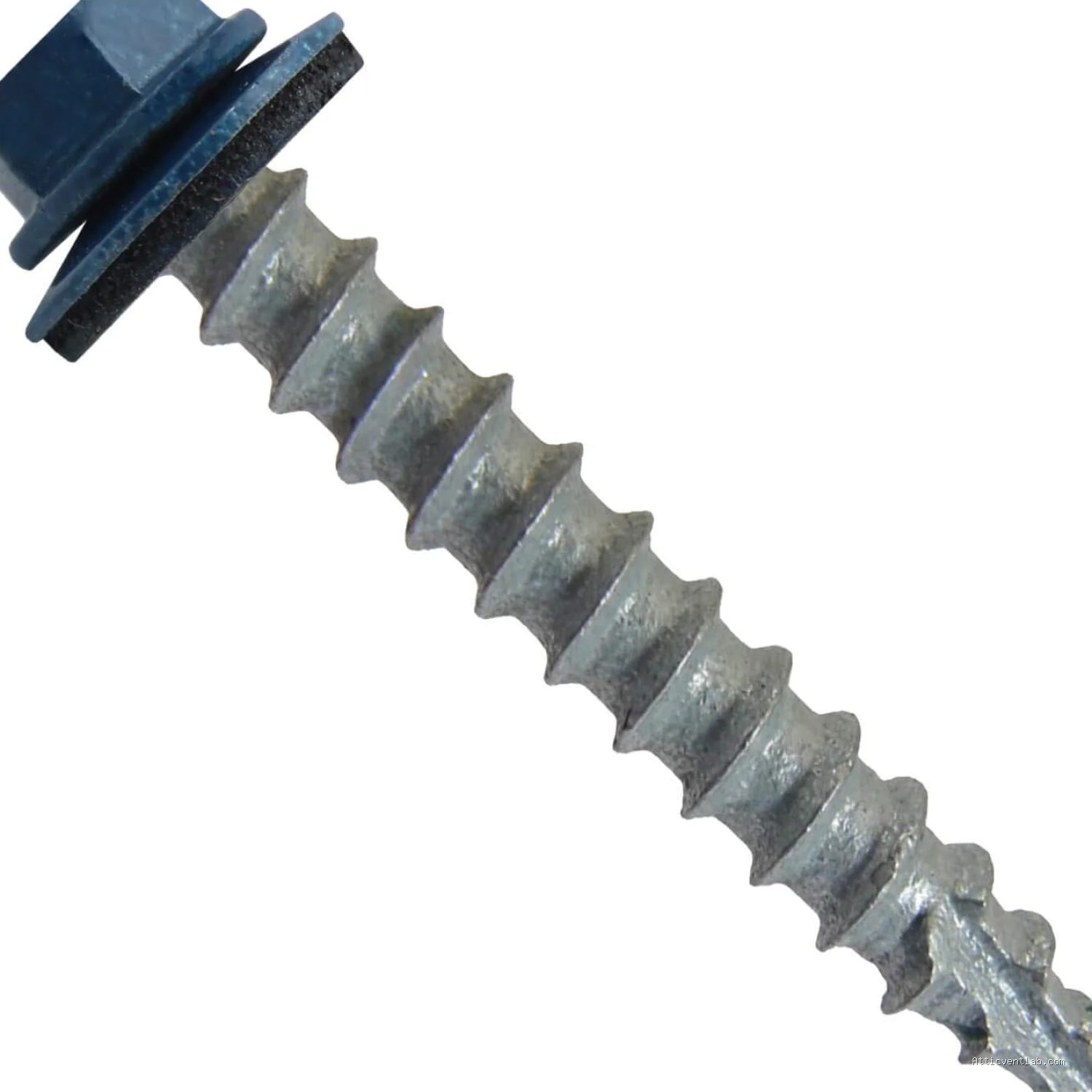
Atticventlab.com – Fasteners on standing seam metal roofs snap during winter freezes primarily due to thermal contraction stress, where the metal panels shrink and exert lateral force on fasteners that lack sufficient clearance or flexibility to accommodate movement.
Standing seam metal roofing is prized for its durability and sleek appearance, but it is not immune to the harsh realities of sub-zero temperatures. When winter temperatures plummet, metal panels undergo thermal contraction. If the installation was not executed with precision regarding the fastener system, these panels act as a massive lever, putting extreme shear force on the screws or clips holding them in place.
The Mechanics of Thermal Contraction
Metal expands and contracts based on temperature fluctuations. A long metal panel can shrink significantly when the temperature drops from a warm autumn afternoon to a frigid winter night. In a standing seam system, the panels are designed to “float” to some degree. However, if the fasteners are driven too tightly or if the thermal blocks are missing, the panel has nowhere to go. The metal pulls against the fastener, creating a shear force that eventually exceeds the structural integrity of the screw shank, leading to a clean snap.
Common Causes of Fastener Failure
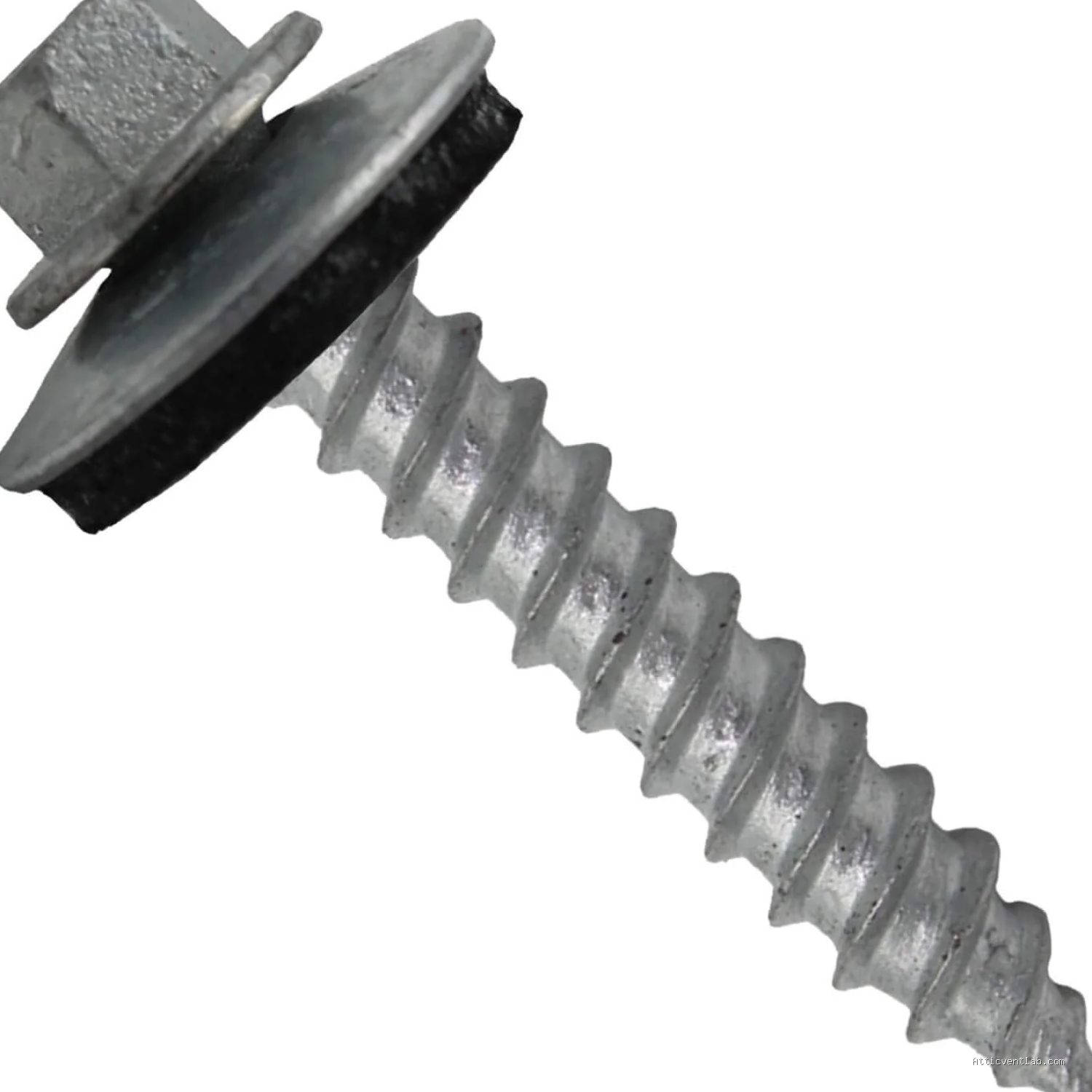
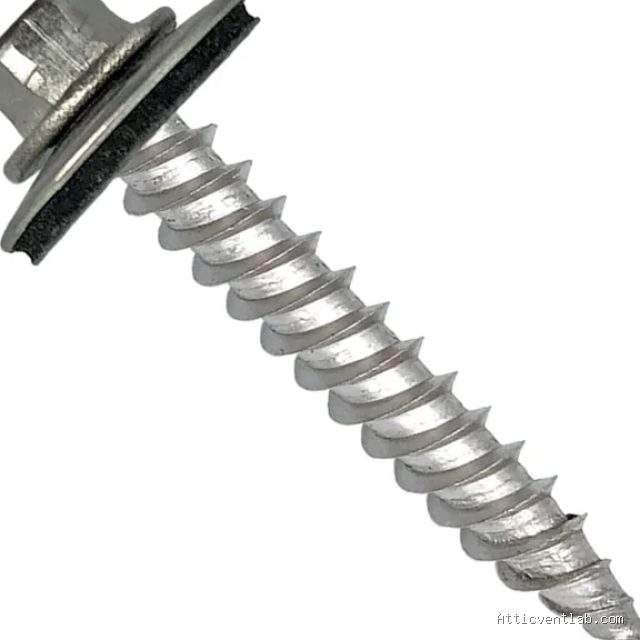
One of the most frequent culprits is over-torquing during the initial installation. When a contractor uses an impact driver with too much force, the fastener is seated too deep, compressing the rubber washer and preventing the panel from moving laterally. This effectively locks the panel in place. When the cold weather hits, the metal tries to shrink, but the rigid fastener prevents it. The stress builds up at the weakest point—usually the neck of the screw—until it fails.
Another issue involves the use of incorrect fastener types. Some installers prioritize speed and use standard roofing screws designed for wood-to-metal applications rather than specialized clips or screws recommended by the metal panel manufacturer. These generic fasteners often lack the shear strength required for the intense cycles of expansion and contraction inherent in metal roof systems.
📷 Photo by walmart.com
📷 Photo by walmart.com
Identifying Signs of Impending Failure
Before a fastener snaps entirely, there are often subtle signs that the roof is under stress. You might notice “oil canning” or waves appearing in the metal panels during particularly cold mornings. This indicates that the panels are struggling to move as they should. Additionally, if you hear loud popping or banging noises during temperature transitions, it is a warning sign that the panels are binding against the fasteners.
Check for “backed out” screws. If you see screws that appear to be lifting or loosening, it is often because the panel is pushing them out as it shifts. Ignoring these signs leads to leaks, as the seal around the fastener is compromised, allowing meltwater from snow dams to penetrate the roof deck.
Comparison of Fastener Stress Factors
| Factor | High Risk Scenario | Low Risk Scenario |
|---|---|---|
| Fastener Torque | Over-tightened (compressed washer) | Properly seated (snug but movable) |
| Panel Length | Long continuous runs without clips | Properly segmented or floating clips |
| Thermal Movement | Rigid attachment to purlins | Allowable clearance in fastener holes |
| Temperature Range | Extreme diurnal fluctuations | Stable climate conditions |
Preventative Measures and Best Practices
Preventing fastener failure requires a combination of proper material selection and meticulous installation techniques. If you are currently facing issues or preparing for a new installation, follow these professional guidelines to ensure the longevity of your roof.
- Use only the manufacturer-specified clips and fasteners designed for your specific metal profile.
- Ensure that fasteners are installed with a calibrated torque setting to prevent over-compression of the sealing washers.
- Verify that the panel length does not exceed the manufacturer’s recommendation for the specific clip system being used.
- Install thermal spacers or expansion joints if the roof design involves extremely long panel runs that are prone to high levels of contraction.
- Perform a seasonal inspection before the first deep freeze to identify and replace any fasteners that show signs of backing out or shearing.
The Hidden Risk of Snow Dams
In winter, the situation is exacerbated by snow and ice accumulation. Snow dams form at the eaves when heat from the building melts snow on the upper portions of the roof, which then refreezes at the colder, unheated edge. This trapped water creates a “cushion” of ice that prevents the metal panels from sliding naturally. As the panels contract, they pull against the fasteners with even greater force because the panel is literally anchored by a sheet of ice at the eave. This creates a compounding failure scenario that can cause multiple fasteners to snap in a single night.
Maintenance Tips for Homeowners
Homeowners should keep roof vents clear to prevent heat loss into the attic, which is the primary driver of snow dam formation. By keeping the roof surface temperature consistent with the ambient air temperature, you reduce the frequency of freeze-thaw cycles. If your roof is already showing signs of fastener distress, consult with a professional who specializes in standing seam metal roofing, as they will have the tools to reinforce the attachment points without damaging the structural integrity of the panels.
Frequently Asked Questions
Q: Can I replace snapped fasteners with larger ones?
A: No, simply replacing a snapped fastener with a larger one will not solve the underlying issue of thermal movement and may actually cause the metal panel to tear around the hole.
Q: Is it normal for a metal roof to make noise in the winter?
A: While some thermal expansion noise is expected, loud, sharp “popping” or “cracking” sounds are often indicators that the panels are binding and need professional inspection.
Q: How do I know if my fasteners are over-tightened?
A: Inspect the rubber washers. If the washer is bulging significantly or has been squeezed out from under the screw head, the fastener is likely over-tightened and restricting the panel’s movement.
Conclusion
Fasteners snapping on a standing seam metal roof during winter is rarely a mystery; it is a mechanical failure caused by restricted movement. By understanding the physics of thermal contraction and ensuring that your roofing system is installed to allow for natural expansion and contraction, you can avoid the costly repairs and potential water damage associated with failed fasteners. Always prioritize manufacturer specifications and professional installation to ensure your roof stands the test of winter.
📷 Photo by walmart.com


2 Comments
[…] Read also: Why Fasteners Snap on Standing Seam Metal Roofs During Winter Freezes […]
[…] Read also: Why Fasteners Snap on Standing Seam Metal Roofs During Winter Freezes […]