

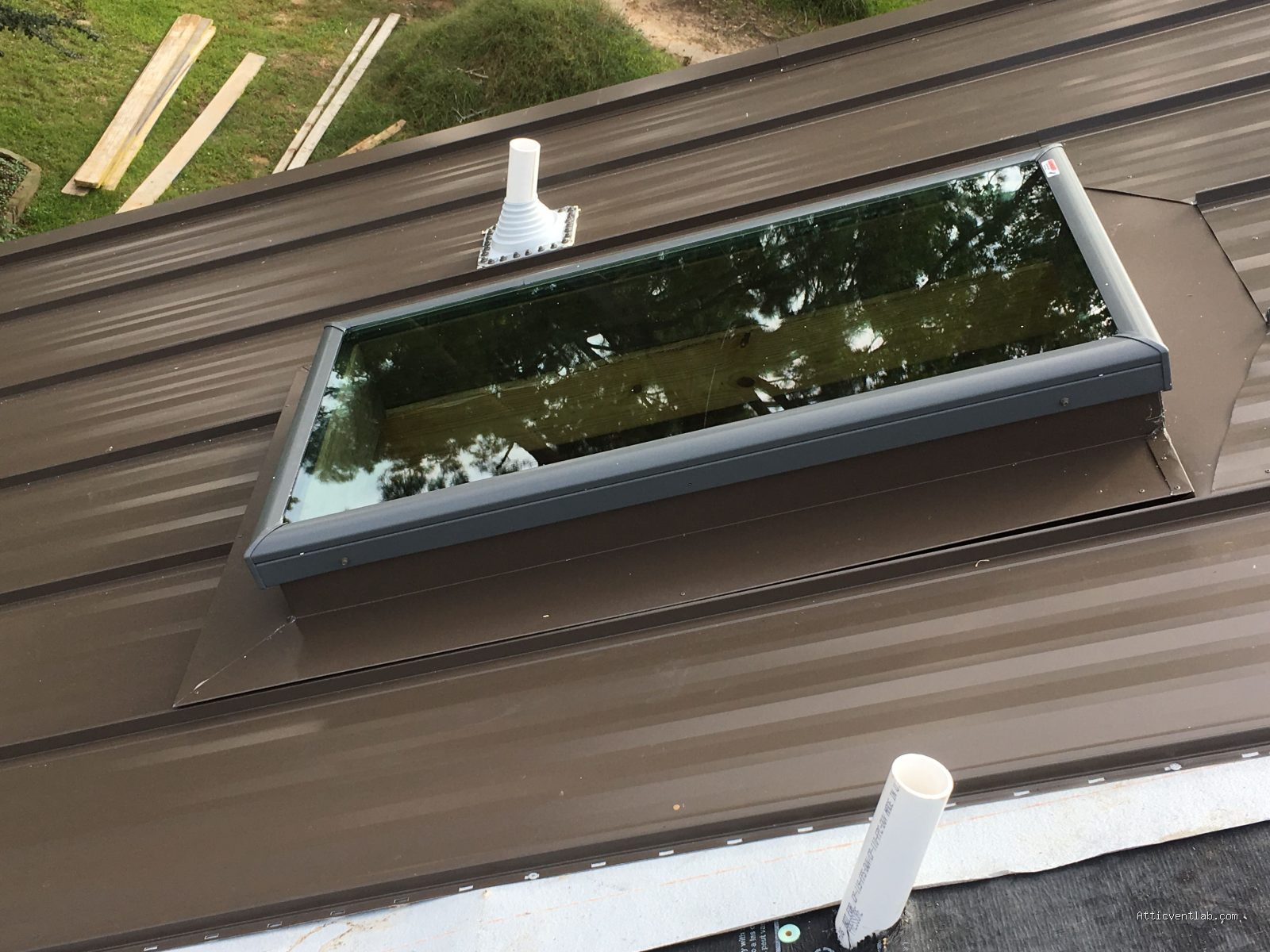
Atticventlab.com – Water leaking around skylight counter flashing during heavy downpours is primarily caused by compromised sealant, improper metal integration with the roof underlayment, or ice damming that forces water upward against the flashing seams. When counter flashing fails to effectively overlap the base flashing, high-velocity rain can penetrate the junction and bypass the secondary water-resistant barrier.
Understanding the Mechanics of Skylight Leaks
A skylight is essentially a hole cut into your roof, and it represents one of the most vulnerable points in your home’s envelope. During a heavy downpour, water does not just fall vertically; it runs in sheets across your shingles. If the counter flashing—the metal strip that covers the top edge of the base flashing—is not correctly installed, water will inevitably find a path behind it.
Many homeowners mistakenly believe that the glass of the skylight is the source of the leak. While glass seals can fail, the vast majority of leaks during storms originate from the integration of the flashing system with the surrounding roofing material. When flashing is improperly lapped, or when sealant degrades due to extreme temperature fluctuations, the flashing acts as a funnel rather than a shield.
Common Causes of Flashing Failure
The integrity of your skylight depends on a multi-layered approach to waterproofing. Several specific factors contribute to failure during intense weather events:
1. Improper Sealant Application
Sealants are often used as a secondary defense, but they are frequently over-relied upon. If an installer used a low-grade caulk that cannot withstand the expansion and contraction of metal in heat and cold, the material will crack. During a downpour, these hairline cracks allow pressurized water to seep directly into the roof deck.
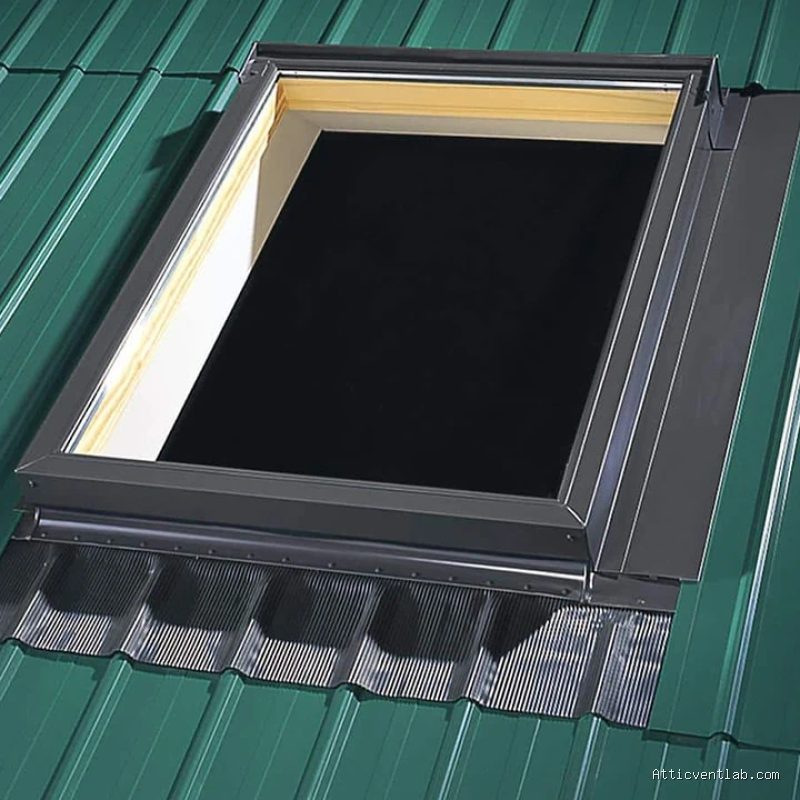
📷 Photo by replacementskylights.com
2. Inadequate Flashing Laps
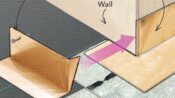
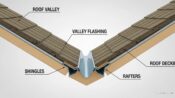
Flashing must follow the principle of “shingling,” where every upper layer overlaps the lower layer. If the counter flashing is installed in a way that it sits underneath the roofing felt or fails to overlap the base flashing by at least three inches, water will gain entry. This is especially problematic during wind-driven rain, where water is forced horizontally into seams that would otherwise remain dry.
3. Debris Accumulation
The area around the skylight curb is a natural trap for leaves, pine needles, and roofing granules. When this debris accumulates, it creates a dam. This dam slows down the water runoff, causing it to pool against the flashing. If the flashing has even a minor imperfection, the pooled water will eventually breach it.
4. Corrosion and Physical Damage
Over time, aluminum or galvanized steel flashing can corrode, especially in coastal areas or regions with high acid rain. Small pinholes can develop in the metal itself. Furthermore, if the flashing was dented during installation or by falling tree branches, the structural shape is compromised, preventing a flush fit against the skylight curb.
Diagnostic Checklist for Skylight Flashing
Before calling a contractor, you can perform a visual assessment to identify the likely source of the problem. Use this table to categorize the symptoms you observe.
| Symptom Observed | Likely Cause | Recommended Action |
|---|---|---|
| Water dripping from the interior drywall | Compromised interior seal or condensation | Inspect glass seals and interior flashing |
| Water leaking only during heavy storms | Improper flashing lap or clogged weep holes | Clear debris and check flashing overlap |
| Water stains appearing after a thaw | Ice damming at the skylight curb | Increase roof ventilation or insulation |
| Visible rust or holes on the metal flashing | Corrosion or physical impact damage | Replace the affected flashing segments |
Step-by-Step Inspection and Maintenance
If you suspect that your flashing is the culprit, follow these steps to inspect and mitigate the issue. Note that this requires safe access to the roof.
- Clear the area surrounding the skylight of all leaves, branches, and loose roofing granules.
- Inspect the metal flashing for signs of warping, denting, or loose fasteners.
- Check the sealant beads along the top edge of the counter flashing for cracking or peeling.
- Verify that the roofing felt or synthetic underlayment is properly tucked behind the flashing, not covering it.
- Pour a small amount of water from a garden hose above the skylight curb to observe if water enters the home, pinpointing the specific gap.
The Role of Secondary Barriers
A critical mistake often made during skylight installation is the omission of a self-adhered waterproofing membrane (ice and water shield). Even if the flashing is perfect, the wood deck underneath is highly susceptible to rot. A high-quality underlayment should wrap up the curb of the skylight, acting as a final barrier. If your roof was installed without this layer, your flashing has zero margin for error. During a downpour, any failure in the metal will immediately translate into a leak inside your home.
Preventive Maintenance Tips
Regular maintenance is the most effective way to prevent catastrophic leaks. Twice a year, specifically in the spring and autumn, clear the skylight curbs of all debris. Inspect the sealant for signs of aging—if it feels brittle or shows separation from the metal, it is time to have it professionally removed and replaced with a high-grade polyurethane sealant. Never use standard silicone caulk, as it often fails to bond permanently to metal or asphalt roofing materials.
Frequently Asked Questions
Q: Can I just apply more caulk to fix a leaking skylight?
A: Caulk is a temporary patch, not a permanent solution. If the flashing is installed incorrectly or is corroded, adding more caulk will only trap water behind the flashing, which can accelerate rot in the surrounding roof deck.
Q: Why does my skylight leak only when it rains hard?
A: Heavy rain creates a high volume of water that exceeds the drainage capacity of clogged flashing. It also creates hydrostatic pressure that forces water into small gaps that would otherwise remain dry during light drizzles.
Q: Should I replace the flashing or the whole skylight?
A: If the skylight glass is older than 15 years, it is often more cost-effective to replace the entire unit. However, if the unit is relatively new, a professional roofer can often perform a “re-flashing” procedure to correct the integration issues without replacing the skylight itself.
📷 Photo by pinterest.com



Leave a Reply