

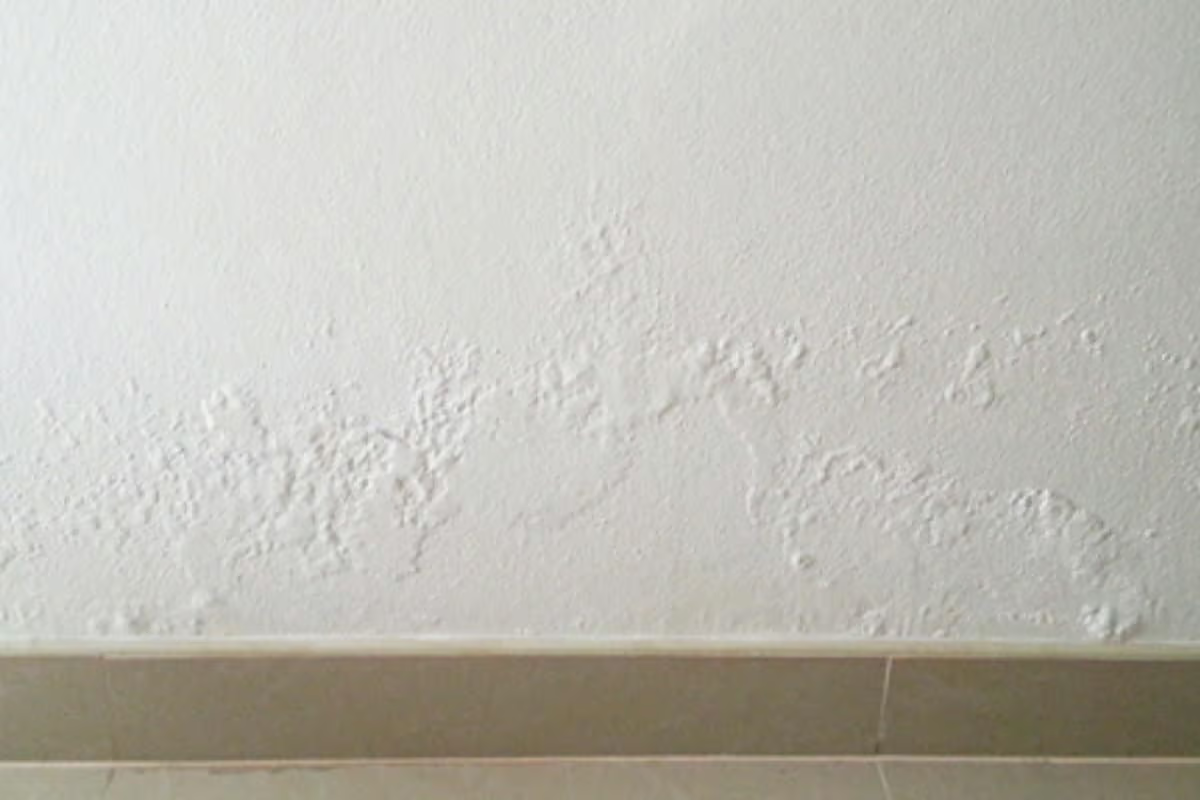
Atticventlab.com – Musty odors in upstairs hallways during humid summer days are primarily caused by trapped moisture in porous building materials like drywall, insulation, or carpet, which triggers microbial growth due to poor attic ventilation or high indoor relative humidity.
When the summer heat peaks, the upper levels of your home often become a staging ground for unpleasant smells. This phenomenon is not merely an annoyance; it is a clear indicator that your home’s environmental equilibrium has been disrupted. Understanding why this happens requires looking at how heat, moisture, and airflow interact within the structural envelope of your residence.
The Physics of Humidity and Odor
During humid summer days, the air outside holds a significant amount of water vapor. As this warm, moist air enters your home through windows, doors, or structural leaks, it seeks out cooler surfaces. If your upstairs hallway is poorly ventilated, that moisture settles into fibers, wood, and dust. Once the humidity levels inside your home consistently exceed 60 percent, mold and mildew spores—which are always present in the air—begin to germinate on these damp surfaces.
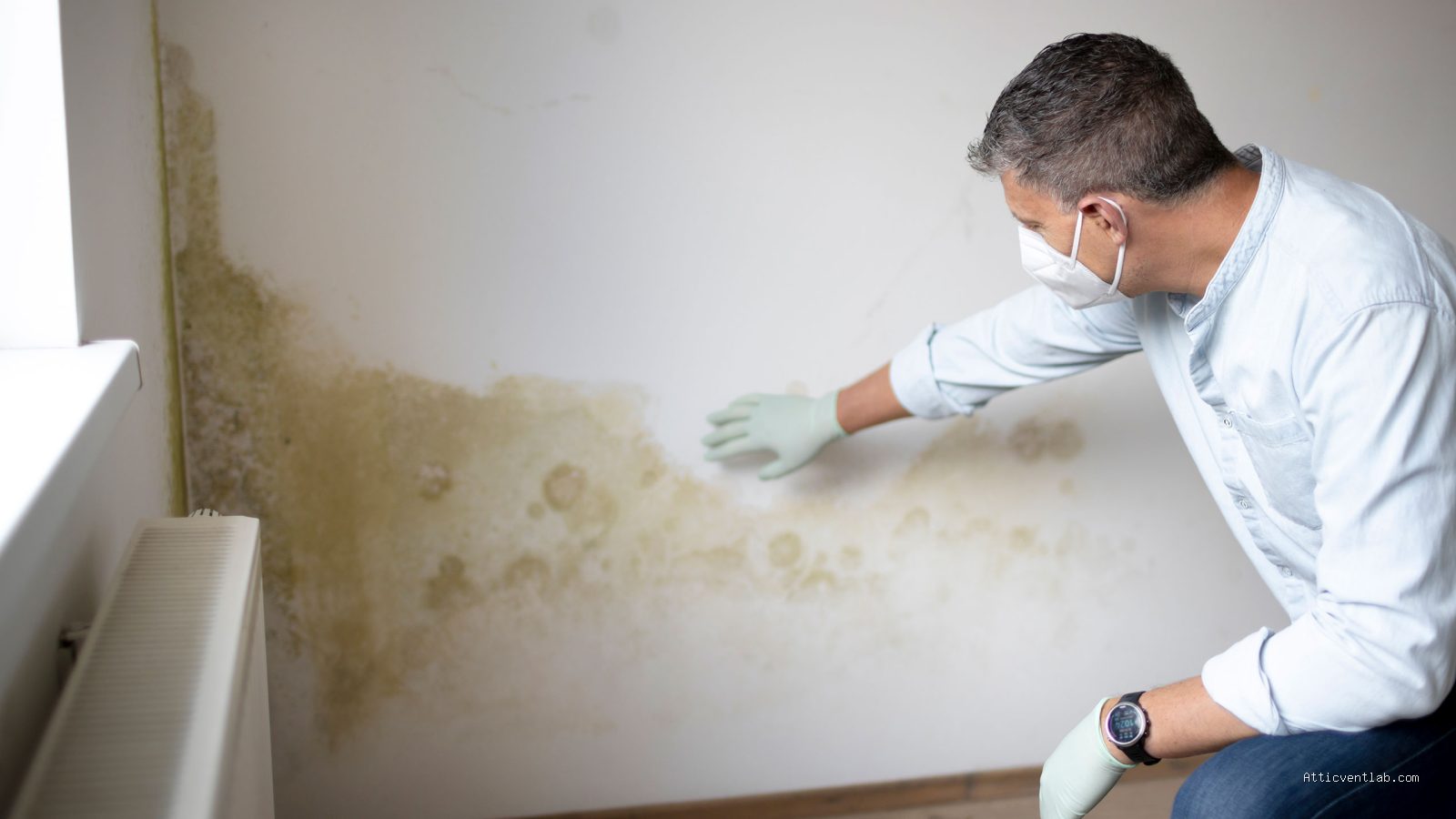
The musty smell is actually a byproduct of microbial volatile organic compounds (mVOCs). As mold consumes organic materials like paper backing on drywall or dust trapped in carpet padding, it releases these gases. Because upstairs hallways are often confined spaces with limited air circulation, these gases concentrate, leading to that characteristic damp, earthy stench that seems impossible to scrub away.
Common Culprits Behind the Smell
The attic is frequently the silent culprit. If your attic ventilation system is inadequate, heat builds up to extreme temperatures, forcing hot air down through light fixtures, plumbing stacks, or attic hatch gaps. This creates a pressure differential that draws humid air from your living space into the ceiling cavity, where it condenses against cool joists or insulation. This cycle of condensation is the perfect breeding ground for odors.
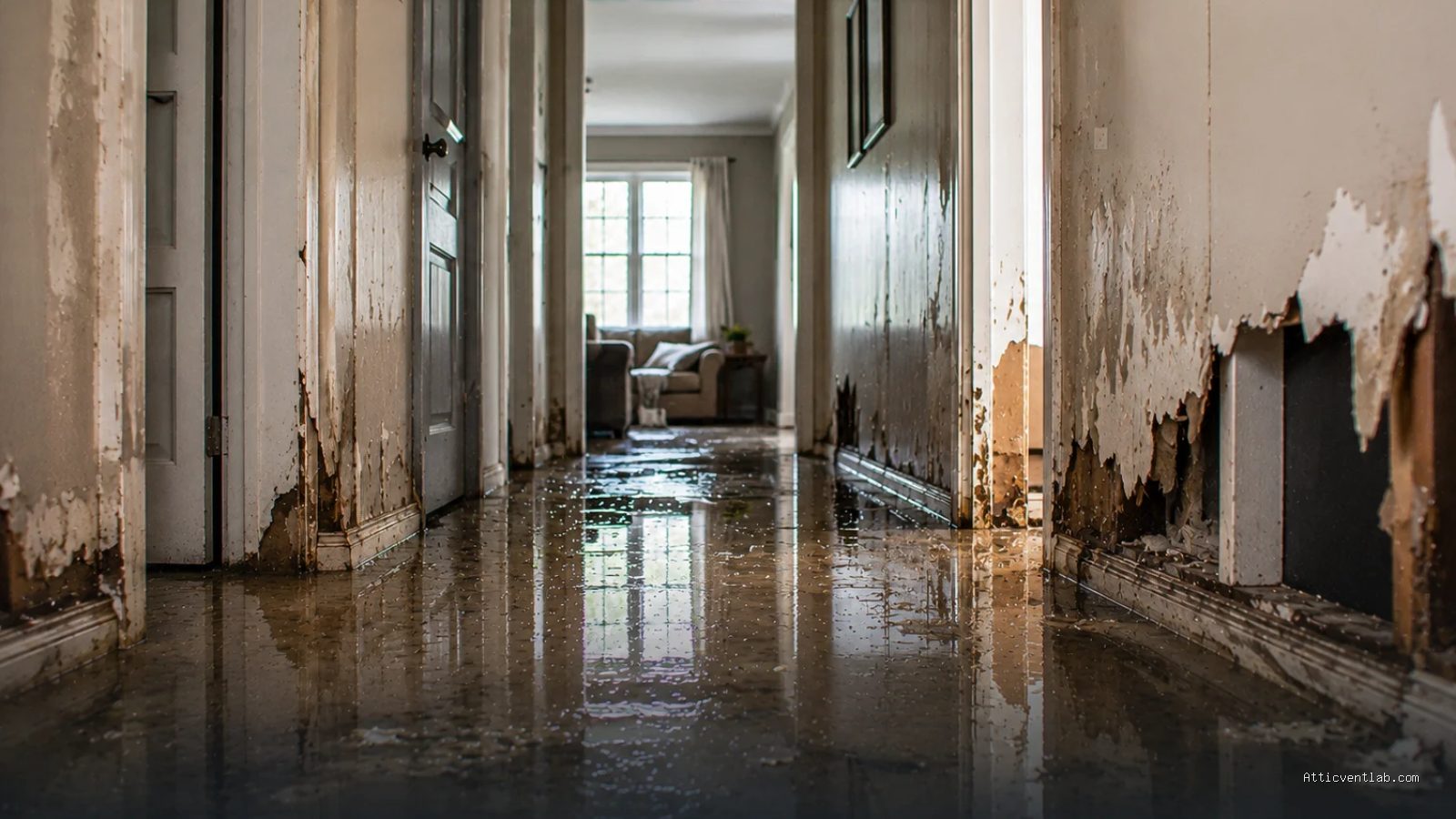
Another common issue involves plumbing leaks or HVAC condensation drainage problems. If the upstairs air conditioning unit has a clogged condensate line, water may be pooling in the drain pan or leaking into the subfloor. Because this happens out of sight, homeowners often mistake the resulting dampness for general summer humidity, allowing the odor to persist and worsen over time.
| Source of Odor | Primary Cause | Indicator |
|---|---|---|
| Attic Insulation | Condensation from poor ventilation | Smell is strongest near the ceiling |
| Carpet/Padding | Trapped humidity/spills | Smell persists even after surface cleaning |
| HVAC Ducts | Mold growth in damp evaporator coils | Smell intensifies when AC kicks on |
| Drywall/Walls | Hidden leaks or high ambient humidity | Musty smell localized to specific wall sections |
Steps to Eliminate the Musty Odor
To permanently remove the smell, you must address the moisture source rather than simply masking it with air fresheners. Follow these steps to diagnose and remediate the issue effectively:
Read also: How to Seal Counter Flashing Joints Using Urethane Masonry Joint Sealant
- Inspect your HVAC condensate line to ensure it is draining freely outside and not backing up into the unit or the ceiling space.
- Check your attic ventilation by ensuring soffit vents are not blocked by insulation, which allows hot, moist air to escape instead of stagnating.
- Use a digital hygrometer to monitor the humidity levels in the upstairs hallway; if levels remain above 50 percent, deploy a high-capacity dehumidifier to force moisture out of the air.
- Clean and vacuum soft surfaces like carpets using an enzymatic cleaner specifically designed to break down organic mold proteins.
- Seal gaps around attic hatches, recessed lighting, and electrical outlets using spray foam or caulk to prevent the exchange of air between the attic and the hallway.
The Role of Airflow and Maintenance
Many homeowners make the mistake of closing doors to unused rooms in the upstairs hallway during the summer. While this might seem like a way to keep the house cooler, it creates “dead zones” where air becomes stagnant. Stagnant air is the primary ally of mold. By keeping internal doors open and ensuring your central air system is circulating air throughout the entire floor, you prevent the localized accumulation of moisture that leads to odor.
Furthermore, avoid the common mistake of over-humidifying the home. Some homeowners use evaporative coolers or humidifiers incorrectly during the summer. If you live in a naturally humid climate, your home already has enough water vapor; adding more will only accelerate the growth of biological contaminants in your walls and flooring.
When to Call a Professional
If you have addressed the humidity levels and cleaned the surfaces, but the smell persists, you may be dealing with hidden mold inside the walls or structural decay. If you notice dark spots on the ceiling, peeling wallpaper, or floorboards that feel soft or bouncy, it is time to bring in a professional. These signs often point to long-term water intrusion that requires structural repair rather than simple environmental control.
Q: Can I just use an air purifier to get rid of the smell?
A: An air purifier can filter out some mold spores, but it will not remove the source of the smell. Unless you address the high humidity or the moisture leak, the mold will continue to grow and the smell will return as soon as the purifier is turned off.
Q: Why does the smell only happen in the summer?
A: Summer heat increases the capacity of air to hold moisture. When this warm, wet air hits cooler surfaces—or when the differential between indoor and outdoor temperatures shifts—condensation occurs. In the winter, the air is typically much drier, which naturally inhibits the growth of mold.
Q: Is the musty smell dangerous to my health?
📷 Photo by luxesur.com
A: While not all mold is toxic, the presence of musty odors indicates that air quality is compromised. Sensitive individuals, or those with asthma or allergies, may experience respiratory irritation, sneezing, or headaches when exposed to these conditions for prolonged periods.
📷 Photo by homebuilding.co.uk
Taking a proactive approach to moisture management is the only way to ensure your upstairs environment remains fresh. By monitoring humidity, improving ventilation, and ensuring that no hidden leaks exist, you can maintain a home that feels as clean as it smells, regardless of how humid the summer season becomes.
📷 Photo by advanceddamp.co.uk





1 Comments
[…] Read also: Causes of Musty Smells in Upstairs Hallways During Humid Summer Days […]