

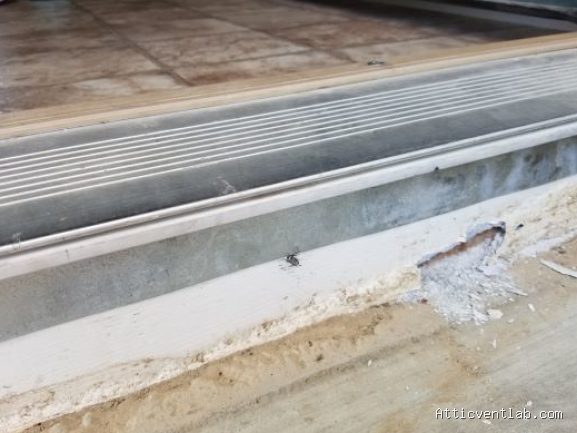
Atticventlab.com – Using galvanized nails in aluminum flashing triggers galvanic corrosion because the contact between two dissimilar metals in the presence of moisture creates an electrochemical reaction, causing the aluminum to corrode rapidly at the fastening point.
The Science of Galvanic Corrosion
When two different metals are joined together, they form a galvanic couple. This process is driven by the difference in electrical potential between the metals. Aluminum is significantly more anodic (active) than the zinc coating found on galvanized steel nails. When moisture—such as rain, condensation, or humidity—acts as an electrolyte, it facilitates the flow of electrons from the aluminum to the zinc and the steel core.
The result is a sacrificial process where the aluminum flashing begins to oxidize prematurely. Over time, this does not just affect the aesthetic appearance of your roofline or siding; it compromises the structural integrity of the flashing itself. The small hole created by the nail becomes an expanding point of failure, leading to leaks, water damage, and the eventual disintegration of the aluminum material around the fastener.
Why Galvanization Fails in This Context
Many homeowners and contractors mistakenly believe that because galvanized nails are treated to resist rust, they are universally compatible with all metal roofing components. However, galvanization involves coating steel in zinc. While zinc is meant to protect the steel, it acts as a bridge for the chemical reaction when paired with aluminum. As the zinc coating wears off or reacts, the underlying steel is exposed, accelerating the corrosion cycle even further.
This is a classic case of improper material selection. In construction, the rule of thumb is to avoid pairing metals that are far apart on the galvanic series. If you must use a metal fastener with aluminum, the fastener itself should be made of aluminum or high-grade stainless steel to prevent this destructive chemical exchange.
Comparison of Fastener Compatibility
| Fastener Material | Compatibility with Aluminum | Risk Level |
|---|---|---|
| Galvanized Steel | Poor | High (Severe Corrosion) |
| Aluminum | Excellent | Very Low |
| Stainless Steel (304/316) | Good | Low (Negligible) |
| Copper | Very Poor | Extreme (Immediate Reaction) |
Signs Your Flashing Is Corroding
Identifying galvanic corrosion early can save you from expensive roof repairs. One of the most common signs is the appearance of white, powdery deposits around the nail heads. This substance is aluminum oxide, the byproduct of the corrosion process. If you notice dark streaks or “bleeding” coming from the nail heads, it indicates that the steel core of the nail is also beginning to rust, which will expand and crack the aluminum flashing.
Another warning sign is loose flashing. As the aluminum around the nail head corrodes, the hole widens. This allows the nail to wiggle, creating gaps that permit water infiltration. If you see the flashing pulling away from the substrate or if the nail heads appear to be “sinking” into the metal, the corrosion is likely already advanced.
How to Properly Install Aluminum Flashing
To ensure your flashing lasts for the duration of your roof’s lifespan, you must use the correct hardware. Follow these steps to prevent future damage and ensure a weather-tight seal.
- Inspect your existing flashing for signs of white powder or loose nails. If found, these sections must be replaced immediately.
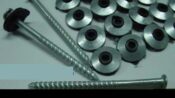
- Select fasteners made of the same material as the flashing. For aluminum flashing, use aluminum nails or roofing screws with aluminum heads and neoprene washers.
- If aluminum fasteners are unavailable, opt for high-quality stainless steel (Grade 304 or 316). These are chemically stable when in contact with aluminum.
- Pre-drill holes if necessary to prevent the nail from tearing the aluminum, which can expose raw edges to the elements.
- Apply a small amount of high-quality, non-corrosive exterior sealant over the nail head to create a secondary barrier against moisture and air.
The Role of Moisture and Environment
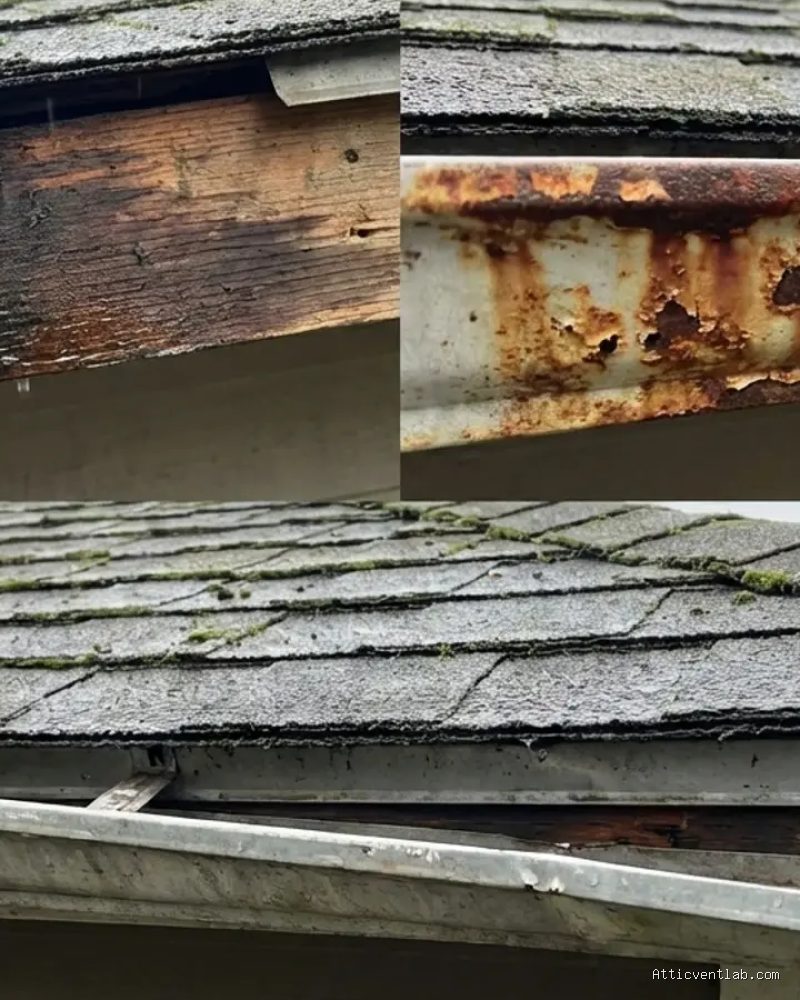
📷 Photo by seasonscleaningservices.com
The speed at which galvanic corrosion occurs is heavily dependent on the environment. In dry, arid climates, the reaction may take years to become noticeable. However, in coastal areas with salt spray or regions with high rainfall and humidity, the electrolyte (water) is constantly present. Saltwater, in particular, is a highly conductive electrolyte that acts as a catalyst, significantly accelerating the degradation process.
Ignoring this compatibility issue is a common mistake in DIY home repairs. Contractors often use what they have on hand, but the long-term cost of replacing prematurely corroded flashing far outweighs the initial savings of using incorrect fasteners. Always prioritize material compatibility over immediate convenience.
Common Mistakes to Avoid
One frequent error is using a nail gun that is set to too high a pressure. When the nail head is driven too deeply, it creates a depression in the aluminum. This “cup” traps water against the nail head, creating a permanent puddle that acts as a fuel source for corrosion. Always ensure your fasteners are flush with the surface, not embedded into it.
Another mistake is the failure to use gaskets. Even if you use a compatible material, using a rubber or neoprene washer provides a physical buffer between the fastener and the flashing. This simple addition prevents direct metal-to-metal contact, adding an extra layer of protection against electrochemical reactions.
FAQ
Q: Can I paint over the nails to stop the corrosion?
A: Painting over the nail heads might hide the aesthetic issue temporarily, but it does not stop the underlying electrochemical reaction between the aluminum and the galvanized steel. The corrosion will continue beneath the paint layer.
Q: Is it okay to use stainless steel screws on aluminum?
A: Yes, stainless steel is generally safe to use with aluminum. While there is a minor potential for galvanic activity, the rate is so slow in atmospheric conditions that it is considered industry-standard for roofing applications.
Q: Why does my flashing look white and chalky?
A: That white, chalky substance is aluminum oxide. It is the physical evidence that your aluminum is actively corroding due to contact with a dissimilar metal or exposure to harsh environmental conditions.
📷 Photo by finehomebuilding.com



Leave a Reply