

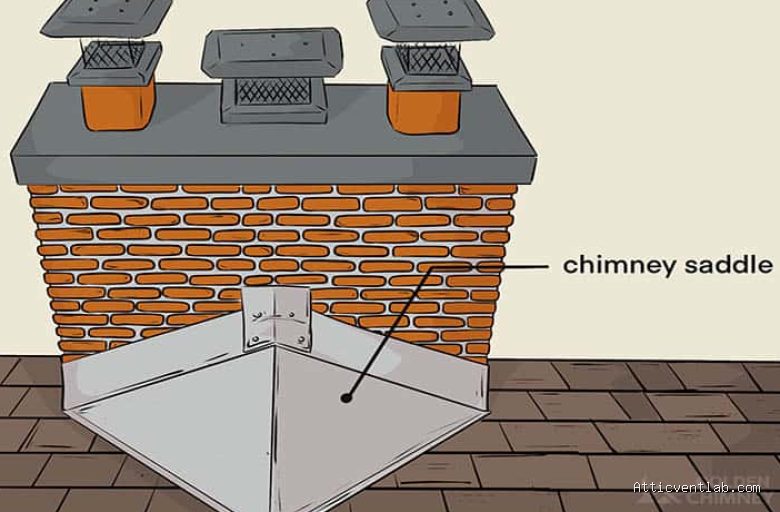
Atticventlab.com – Water ponding behind a chimney saddle on a shallow pitched roof is primarily caused by an inadequate slope transition or a lack of proper flashing integration, which allows rainwater to lose velocity and accumulate instead of draining away. This phenomenon occurs when the geometry of the cricket or saddle fails to create a sufficient steepness to shed water effectively, leading to structural water damage and potential roof leaks.
Understanding the Mechanics of Ponding
On roofs with a shallow pitch, the margin for error in roof drainage is extremely slim. A chimney saddle, often referred to as a cricket, is designed to divert water around the chimney stack. When this structure is installed on a roof with a low slope, the water flow is significantly slower. If the saddle itself is not built with a steep enough pitch, the water hits the base of the chimney and stalls rather than being channeled toward the gutters.
The accumulation of water, or ponding, is exacerbated by debris buildup. Leaves, twigs, and granules from asphalt shingles tend to settle in the valley created by the saddle. This creates a dam effect, causing water to back up under the shingles or seep through the flashing joints. Even small amounts of standing water can eventually break the seal of roofing underlayment, leading to interior moisture issues.
Common Causes of Drainage Failure
Several factors contribute to this specific architectural vulnerability. The most frequent culprit is the improper angle of the cricket. If the cricket is built too flat to match the surrounding roof plane, it essentially becomes a flat surface where water sits. Furthermore, high-profile roofing materials on a low-slope roof can create small dams, preventing water from flowing freely off the edges of the saddle.
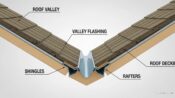
Another common issue is the failure to extend flashing high enough up the chimney stack. On shallow roofs, wind-driven rain can push standing water higher than the standard flashing line. When the flashing is not integrated with the roof deck properly, or when the counter-flashing is poorly sealed, the water that ponds behind the saddle will find its way into the roof structure through capillary action.
Technical Comparison of Drainage Solutions
| Solution Method | Effectiveness | Complexity | Best For |
|---|---|---|---|
| Cricket Pitch Adjustment | High | Moderate | Severe ponding areas |
| Enhanced Flashing | Medium | High | Preventing seepage |
| Cricket Cleaning/Maintenance | Low | Low | Debris-prone environments |
| Modified Bitumen Underlayment | High | Moderate | Waterproofing the valley |
Risks of Ignoring Standing Water
Ignoring water ponding behind a chimney is a recipe for long-term structural failure. The weight of standing water, while seemingly negligible, can saturate the wooden roof deck, leading to rot and mold growth. As the wood softens, the fasteners holding the flashing in place may loosen, further compromising the seal. Over time, this can lead to rusted chimney caps, damaged masonry, and even ceiling stains inside the living space.
Furthermore, freeze-thaw cycles in colder climates drastically increase the risk. Water that ponds during the day freezes at night, expanding in the crevices between flashing and shingles. This mechanical force acts like a wedge, slowly prying the roofing components apart and creating larger gaps for water ingress during the next rainfall.
Steps to Correct and Prevent Ponding
If you have identified ponding behind your chimney saddle, it is essential to act before the water penetrates the roof deck. Follow these steps to improve drainage and protect your roof:
- Clear all debris from the chimney saddle and the surrounding valleys to ensure the existing drainage path is as clear as possible.
- Inspect the flashing seals for cracks, gaps, or signs of dry rot in the surrounding shingles.
- Measure the pitch of the saddle; if it is less than 3:12, consider installing a professional-grade cricket extension to increase the slope.
- Apply a high-quality, flexible roofing sealant to all exposed flashing joints to prevent water from entering during heavy rain.
- Install a secondary layer of self-adhering waterproof underlayment (ice and water shield) beneath the shingles in the saddle area to provide a failsafe layer if water does pond.
Mistakes to Avoid During Repair
One of the most dangerous mistakes homeowners and amateur contractors make is applying too much heavy asphalt cement to try and “dam” the water away. This often traps water behind the cement, forcing it to back up even further under the shingles. Another common error is using standard flashing materials that are not designed for low-slope applications. Always ensure that the materials used are rated for low-slope roofs, as these are designed to handle standing water much more effectively than standard steep-slope components.
FAQ: Chimney Saddle Drainage
Q: Why does my chimney saddle collect water even after a light rain?
A: This is usually due to the saddle having an insufficient slope or the roof being too flat to create the necessary gravitational force to move water quickly away from the chimney base.
Q: Can I just apply more caulk to stop the leaks caused by ponding?
A: No, caulk is a temporary fix and often fails under the pressure of standing water; it is better to address the root cause by improving the drainage angle or upgrading the underlayment.
Q: Is it necessary to hire a professional for this repair?
A: Yes, modifying a chimney saddle involves complex flashing work that, if done incorrectly, can cause more leaks than it solves; professional roofers have the expertise to ensure proper water shedding.
Conclusion
Maintaining a dry chimney saddle is critical for the longevity of your roof, especially on shallow-pitched designs. By understanding that the primary cause of ponding is inadequate slope and improper flashing integration, you can take proactive steps to correct the issue. Regular inspection, combined with proper drainage modifications, will save you significant repair costs and prevent the hidden dangers of water intrusion into your home’s structure.
📷 Photo by goldengatechimney.com


Leave a Reply