

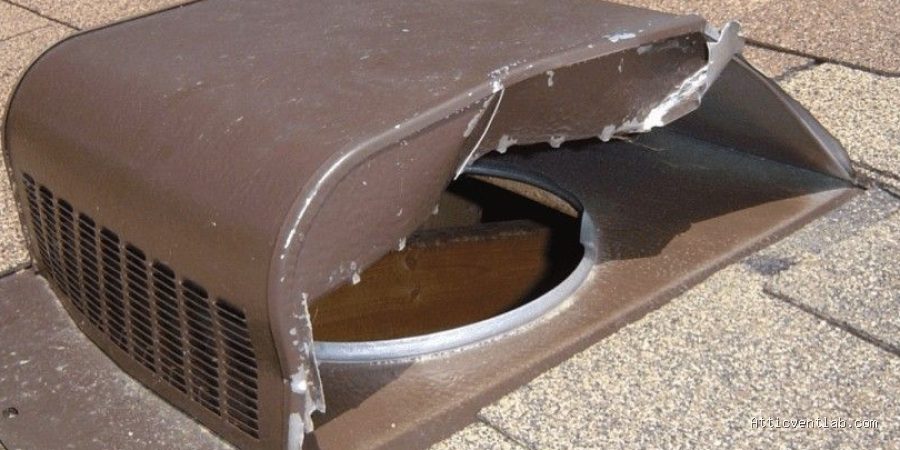
Atticventlab.com – Squirrels and rodents chew plastic attic exhaust roof caps because their teeth grow continuously, leading them to gnaw on durable materials to file them down and gain access to warm, sheltered nesting grounds. These infestations often manifest as jagged holes in plastic vents, scratching noises within the attic, and the presence of nesting debris or droppings near the roofline.
Understanding the Rodent Drive to Chew
Rodents, including squirrels, rats, and mice, possess incisors that never stop growing throughout their lives. To prevent these teeth from becoming overgrown and debilitating, they must constantly gnaw on hard surfaces. Plastic roof caps, which are often made of polypropylene or PVC, offer just enough resistance to satisfy this biological need while being soft enough to break through relatively quickly.
Beyond the need to file teeth, attic exhaust caps are prime targets because they represent a structural weakness in your home. These vents are designed to allow hot, humid air to escape from your attic, which creates an enticing scent trail for pests. Once a squirrel or rat identifies a vent as a potential entry point, they will systematically destroy the plastic housing to create a tunnel into your crawl space.
Visual Signs of Damage
The most obvious indicator is the physical state of your roof vents. If you notice jagged, rough edges around the perimeter of a plastic cap, this is a hallmark sign of rodent activity. Unlike accidental damage from falling branches, which typically causes clean cracks or impacts, rodent chewing leaves behind distinct parallel grooves or tooth marks.
You should also inspect the area around the base of the vent. Squirrels often leave behind plastic shavings or small chips scattered on the roof shingles. If the damage is severe enough, the cap may become loose or completely detached, allowing rain and debris to enter your attic. In some cases, you might observe nesting materials—such as shredded insulation, twigs, or dried leaves—poking out from the vent opening.
Auditory and Behavioral Clues
If you cannot safely access your roof, your ears can provide early warning signs. Squirrels are diurnal, meaning they are most active during the day. If you hear scratching, scampering, or thumping sounds in your attic during the morning or late afternoon, it is highly likely that squirrels have compromised your roof caps. Rats and mice, conversely, are nocturnal, so activity heard at night usually points to those specific rodents.
Another subtle sign is the presence of secondary pests. Once a rodent has created a hole in your attic vent, they effectively create an open door for other invaders. If you notice an increase in insects or the presence of wasps inside the attic near the vent, it is often because the barrier has been breached by a larger rodent.
Comparison of Vent Material Vulnerability
Homeowners often wonder if upgrading their hardware can prevent future damage. The following table illustrates why plastic vents are frequently targeted compared to other materials.
| Material Type | Resistance to Chewing | Durability | Cost Factor |
|---|---|---|---|
| Standard Plastic | Low | Short-term | Budget-friendly |
| Heavy-Duty PVC | Low-Medium | Medium | Moderate |
| Galvanized Steel | High | Long-term | High |
| Stainless Steel Mesh | Very High | Permanent | Premium |
Steps to Secure Your Attic Vents
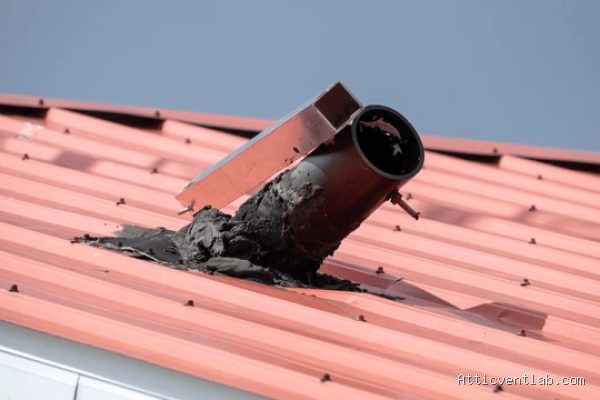
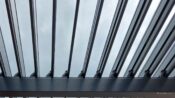
📷 Photo by shutterstock.com
If you have confirmed that rodents are chewing through your plastic caps, immediate action is required to prevent structural damage to your insulation and electrical wiring. Follow these steps to secure your home:
- Conduct a thorough inspection of every roof vent, not just the one that appears damaged, as rodents often test multiple entry points.
- Safely remove the damaged plastic cap and inspect the interior of the vent pipe for nests or trapped animals.
- Install a heavy-duty, chew-proof vent cover or a stainless steel screen over the existing opening to prevent future access.
- Use a high-quality, weather-resistant sealant to bridge any gaps between the new metal guard and the roof deck to ensure a tight fit.
- Trim back any tree branches that overhang your roof, as these act as bridges for squirrels to reach your attic vents.
- Monitor the area for at least two weeks to ensure no rodents are trapped inside the attic space.
The Hidden Risks of Ignoring Damage
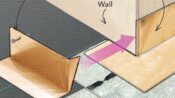
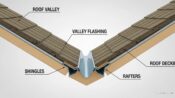
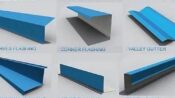
Read also: How to Form a Hemmed Edge on Valley Flashing to Keep Water Running Center
Ignoring a chewed roof cap is a common mistake that leads to significant financial loss. The most immediate risk is water infiltration. When a plastic cap is compromised, it no longer directs water away from the vent pipe. This leads to wood rot in your roof deck and mold growth within your attic insulation. Over time, this moisture can migrate into your ceiling, causing unsightly water stains and structural weakening.
Furthermore, rodents do not stop at the vent. Once inside, they often chew on electrical wiring, which is a leading cause of house fires. They also soil your insulation with urine and feces, which can lead to health hazards and the need for a complete attic decontamination. Addressing the vent damage early is far cheaper than repairing an entire electrical system or replacing contaminated insulation.
Frequently Asked Questions
Q: Can I just patch the hole in the plastic vent with tape or filler?
A: No. Rodents have incredibly strong teeth and will easily chew through tape, caulk, or plastic fillers. You must replace the damaged section with metal hardware to effectively deter them.
Q: Why do squirrels focus on the vents instead of the roof shingles?
A: Vents provide an immediate, pre-existing opening into the attic. It is much easier for a squirrel to enlarge an existing hole in a plastic cap than to create a new hole through solid roofing materials.
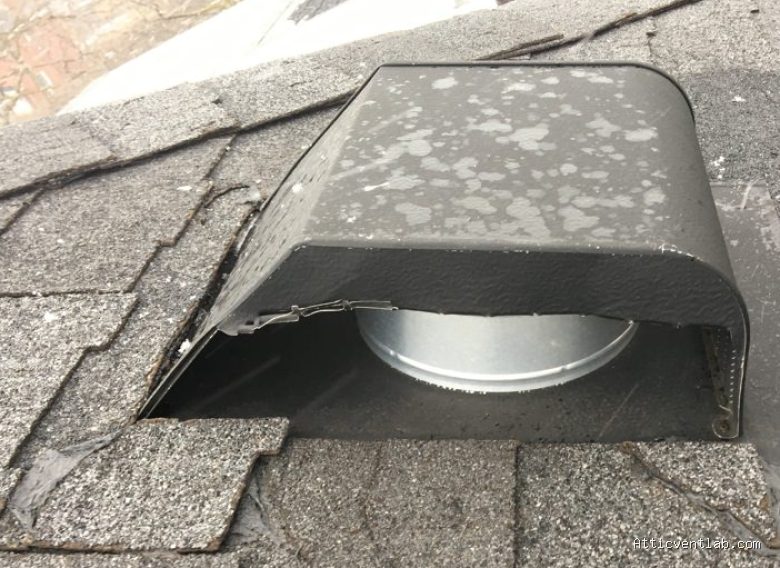
📷 Photo by desisroofing.com
Q: Is it safe to trap the squirrels myself?
A: It is generally not recommended unless you are experienced. Trapping can be dangerous, and many regions have specific laws regarding the relocation of wildlife. It is usually best to hire a professional wildlife removal specialist to ensure the animals are handled humanely and legally.
Final Thoughts on Maintenance
Preventative maintenance is your best defense against rodent damage. Perform a visual check of your roofline twice a year, specifically before the autumn months when squirrels begin looking for warm overwintering sites. By swapping out flimsy plastic caps for metal alternatives and keeping your roof clear of vegetation, you can significantly reduce the likelihood of a rodent infestation. Early detection of chewing marks is the difference between a simple hardware replacement and an expensive home restoration project.
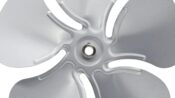
📷 Photo by hy-c.com


1 Comments
[…] Read also: Signs of Squirrels and Rodents Chewing Plastic Attic Exhaust Roof Caps […]