

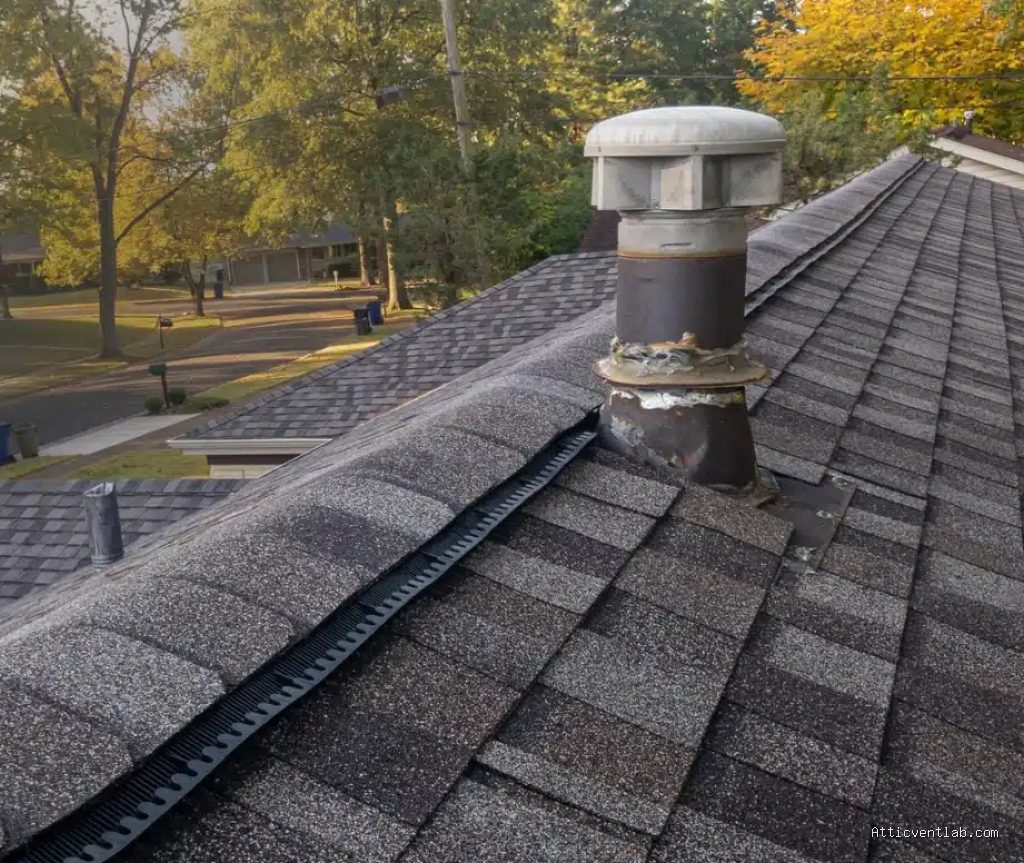
Atticventlab.com – Black streaks appearing on roof decking along ridge exhaust cutouts are primarily caused by the condensation of moisture-laden interior air escaping through the ridge vent, which leads to the growth of mold, fungi, or algae on the wood substrate. This phenomenon is often exacerbated by poor attic ventilation, inadequate insulation, and the cooling effect of the roof deck surface during night hours.
Understanding the Mechanism of Moisture Accumulation
The ridge vent is designed to be the primary exhaust point for your attic. However, when warm, humid air from your living space leaks into the attic—a process known as stack effect—it rises toward the highest point of the roof. As this warm air meets the cooler underside of the roof decking near the ridge cutout, the temperature drops below the dew point. This causes water vapor to transition into liquid droplets on the plywood or OSB.
Over time, this consistent moisture creates an ideal environment for biological growth. The black streaks you observe are typically colonies of mold or mildew, and in some cases, biological staining caused by fungi that thrive on the organic components of the wood. If left unaddressed, this moisture does not just stain the wood; it initiates the process of rot, compromising the structural integrity of your roof deck.
Common Causes and Contributing Factors
While the presence of moisture is the direct cause, several underlying building science failures contribute to the severity of the streaking. The most common culprit is a lack of proper attic air sealing. If your ceiling is not airtight, air from your bathroom, kitchen, or laundry room migrates into the attic, carrying high levels of moisture. When this air hits the ridge vent area, it condenses rapidly.
Another significant factor is inadequate intake ventilation. If your soffit vents are blocked by insulation or debris, the ridge vent cannot perform its intended function of creating a cross-flow of air. Instead of pulling fresh air from the eaves, the ridge vent may become a point of stagnation or, worse, pull snow or moisture inward during specific weather conditions. This lack of airflow prevents the decking from drying out, allowing the black streaks to spread along the entire length of the ridge.
Evaluating the Risk to Your Roofing System
Ignoring these streaks can lead to more than just aesthetic concerns. When mold and fungi colonize the roof decking, they break down the wood fibers. This can lead to delamination of the plywood, where the layers of the wood begin to separate. Once delamination occurs, the nail-holding capacity of the decking is diminished, which can lead to shingles lifting or blowing off during high-wind events.
Furthermore, if the moisture persists, it creates an environment that attracts wood-destroying insects. Termites and carpenter ants are often drawn to damp, soft wood. The following table illustrates the potential severity of the condition based on the visual characteristics of the streaks.
| Observation | Likelihood of Structural Damage | Recommended Action |
|---|---|---|
| Light gray or faint black surface dust | Low | Improve ventilation and monitor |
| Dark, thick, soot-like discoloration | Moderate | Deep clean and address air leaks |
| Soft, spongy wood or delaminated layers | High | Professional inspection and repair |
Steps to Mitigate and Prevent Ridge Vent Moisture
Addressing the root cause requires a systematic approach to attic health. You must stop the moisture at the source and improve the ventilation path to ensure the decking remains dry even during temperature fluctuations.
- Inspect the attic floor for air leaks around electrical penetrations, plumbing stacks, and light fixtures, sealing them with spray foam or caulk.
- Ensure your bathroom and kitchen exhaust fans vent directly to the exterior of the home, not into the attic space.
- Check your soffit vents to ensure they are not blocked by insulation; install baffles if necessary to maintain an open air intake channel.
- Verify that the ridge vent is not covered by improper shingle caps or debris that hinders the exit of air.
- Monitor the humidity levels in your living space during winter months, as excess indoor humidity will inevitably migrate to the attic.
Mistakes to Avoid During Remediation
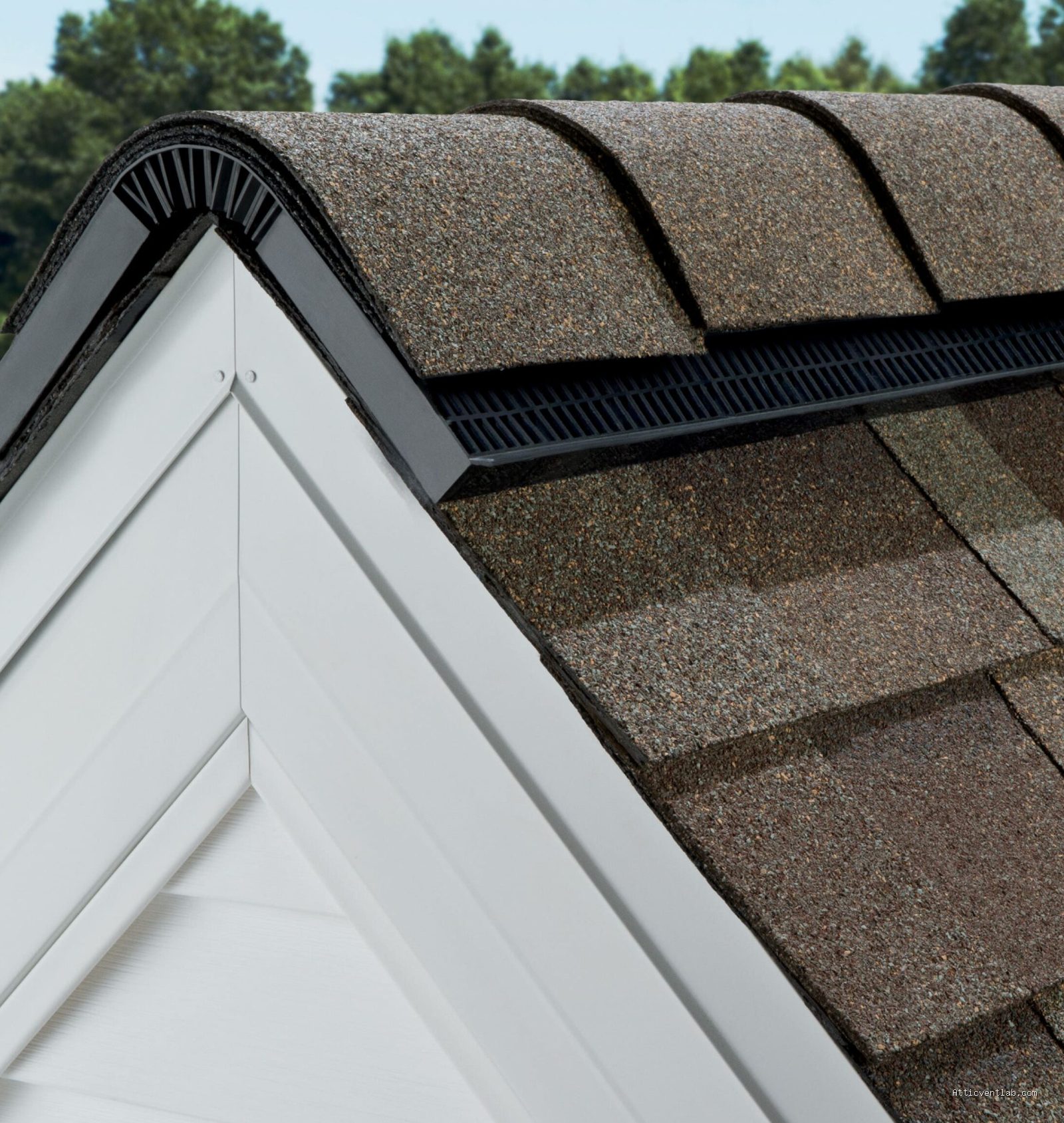
📷 Photo by eccroofing.com
Read also: How to Reseal Chimney Base Corners Using Custom Lead Step Flashing
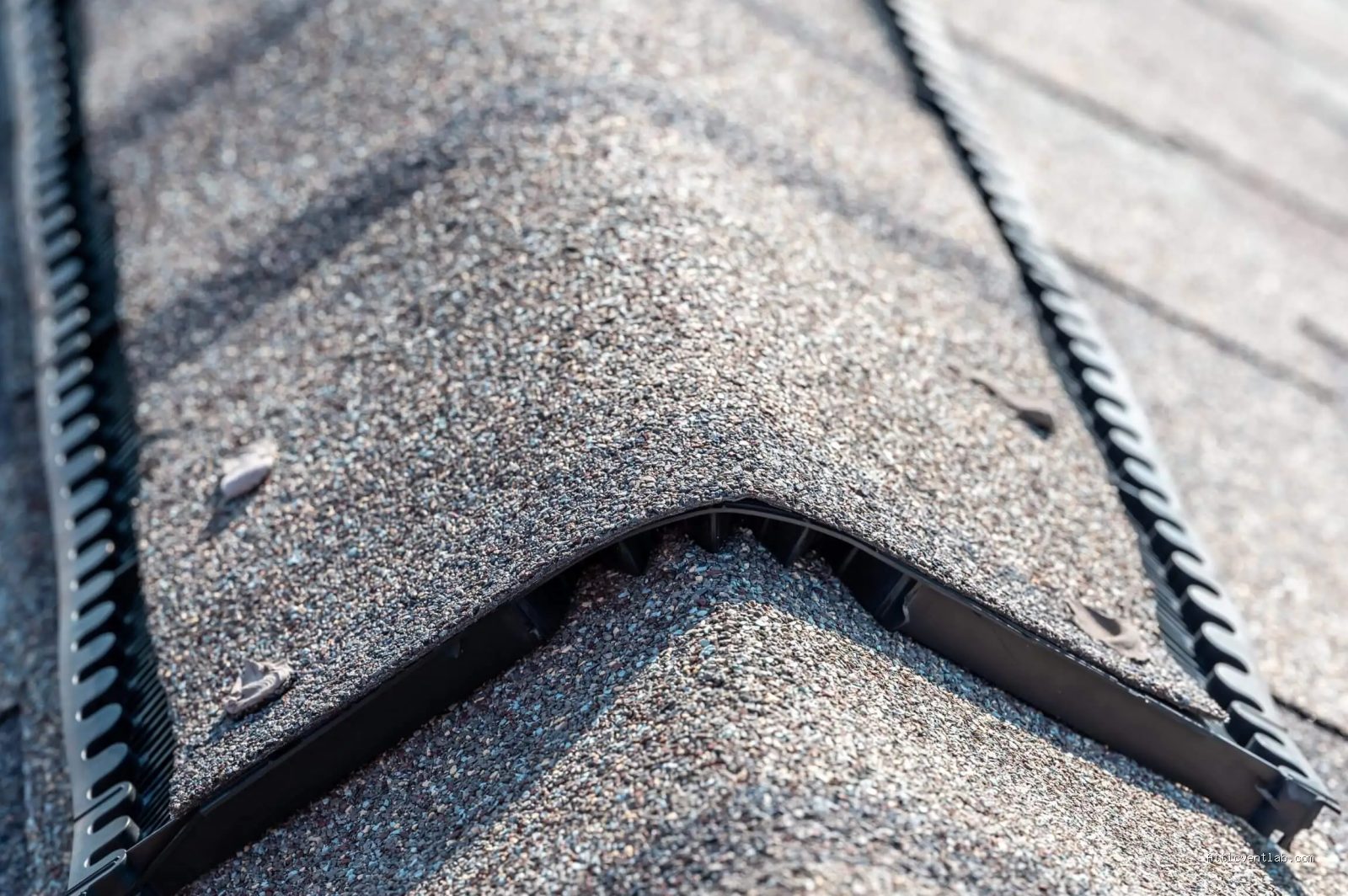
📷 Photo by rymulroofing.com
Many homeowners make the mistake of simply painting over the black streaks with mold-resistant primer. This is a cosmetic fix that ignores the underlying moisture issue. Painting over active mold traps the moisture against the wood, which can actually accelerate the rate of rot. Avoid using high-pressure washers inside the attic to clean the wood, as this introduces even more moisture into the structure and damages the wood fibers.
Another common error is adding more exhaust vents without verifying the intake capacity. If you increase the size of the ridge vent but keep the soffit intake restricted, you may cause the attic to pull air from other unintended places, potentially leading to increased moisture infiltration. Always balance your intake and exhaust ventilation ratios.
Frequently Asked Questions
Q: Can these black streaks be cleaned off the roof decking?
A: Yes, they can often be cleaned with a solution of water and hydrogen peroxide or specialized mold-cleaning agents, but the streaks will return unless the moisture source is corrected first.
Q: Is it dangerous to have mold on the attic decking?
A: While most attic mold is not immediately toxic to the living area, it indicates an ventilation failure that can lead to wood rot, structural damage, and potential health risks if the mold spores migrate into the home.
Q: Does the color of the shingles affect these streaks?
A: While darker shingles absorb more heat and can help dry out the roof deck during the day, they do not resolve the nighttime condensation issues caused by poor ventilation and interior air leakage.
Maintaining a healthy attic environment is essential for the longevity of your home. By controlling moisture at the source and ensuring a clear, unobstructed path for air to flow from the soffits to the ridge, you can keep your roof decking clean, dry, and structurally sound for decades to come.
📷 Photo by weroof.com


1 Comments
[…] Read AlsoCauses of Black Streaks on Roof Decking Along Ridge Exhaust Cutouts […]