

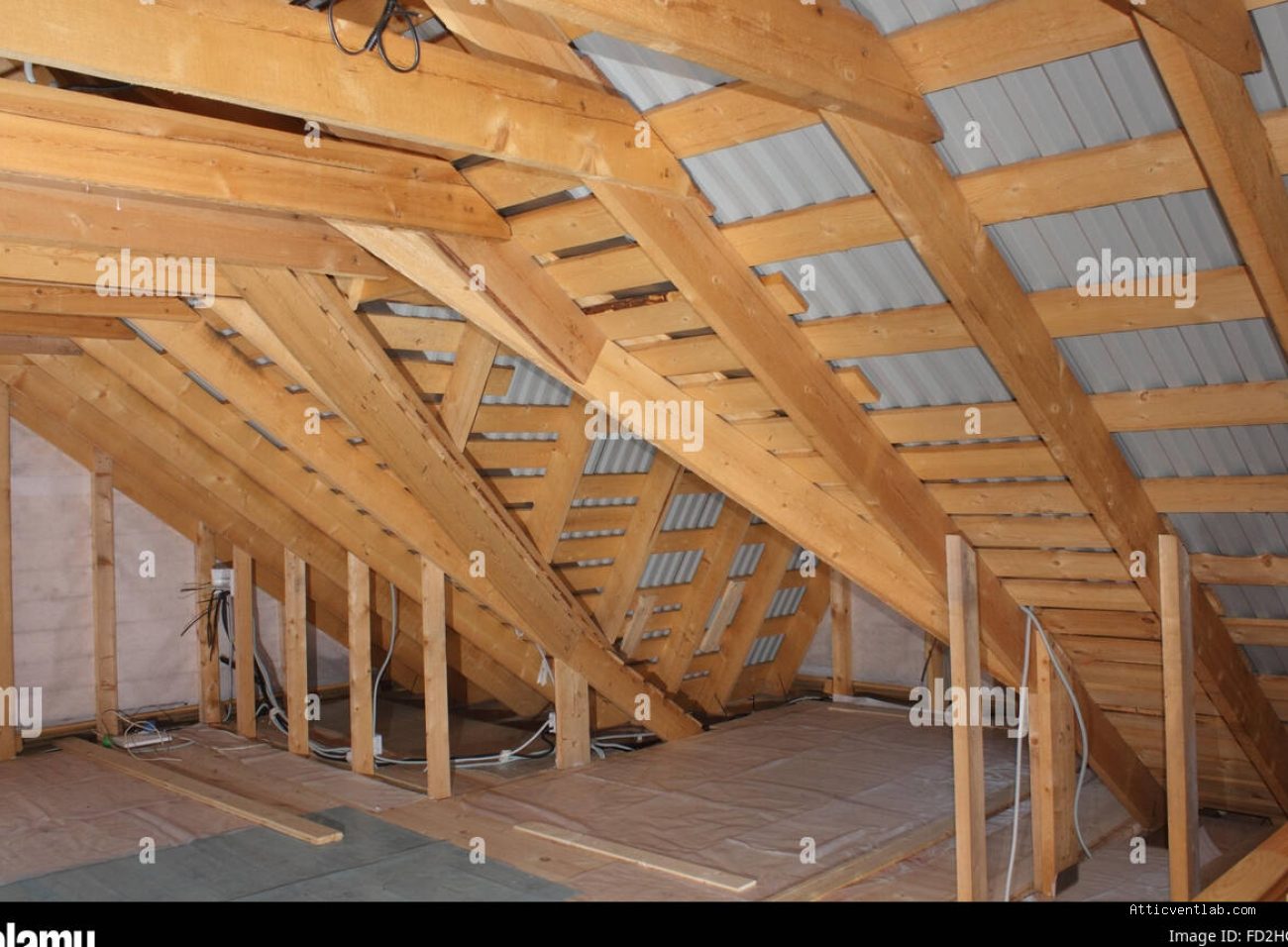
Atticventlab.com – Condensation dripping from the underside of a bare metal roof occurs when warm, moist interior air contacts the cold metal surface, reaching its dew point and causing moisture to transition from vapor to liquid droplets. This phenomenon typically indicates a lack of proper insulation, inadequate ventilation, or an insufficient thermal break between the metal panels and the attic space.
Understanding the Mechanism of Metal Roof Sweating
Metal is a highly conductive material, meaning it reacts rapidly to temperature fluctuations. When the sun sets and the outside temperature drops, a bare metal roof loses heat quickly. If the attic air underneath remains warm and contains high humidity, the metal surface becomes a cold plate. Much like a glass of ice water on a humid day, the metal roof draws moisture out of the air, which then collects as beads of water. Without a proper vapor barrier or ventilation, these beads grow into heavy droplets that eventually fall onto the attic insulation, rafters, and ceiling joists.
Primary Signs of Condensation Issues
Identifying this problem early is crucial to prevent structural damage. The most common sign is the presence of water droplets on the metal panels during cool mornings or evenings. However, you might not always see the droplets if they have already fallen. Look for damp patches on your attic floor insulation, which indicates that the roof is dripping intermittently. You may also notice dark water stains or mold growth on the wooden rafters or the underside of the roof deck. A musty odor in the attic is another reliable indicator that moisture is trapped and failing to escape, potentially leading to long-term rot.
Risks of Ignoring Attic Condensation
Ignoring these signs can lead to severe structural degradation. Constant moisture exposure weakens wood, leading to rot and compromised roof integrity. Furthermore, wet fiberglass insulation loses its R-value, meaning it no longer effectively insulates your home, leading to higher energy bills. Perhaps most dangerously, the moisture creates a perfect environment for black mold, which can spread through your HVAC system and impact indoor air quality for the entire household.
Comparison of Condensation Control Methods
| Method | Mechanism | Effectiveness |
|---|---|---|
| Vapor Barrier | Blocks moisture from entering the attic | High (if installed correctly) |
| Ridge Ventilation | Exhausts moist air from the attic | High (requires soffit intake) |
| Thermal Break | Separates metal from cold air | Moderate |
| Dehumidifier | Removes moisture from air | Low (not a permanent fix) |
Step-by-Step Guide to Diagnosing and Solving Dripping
If you suspect your metal roof is sweating, follow these steps to isolate the issue and implement a fix:
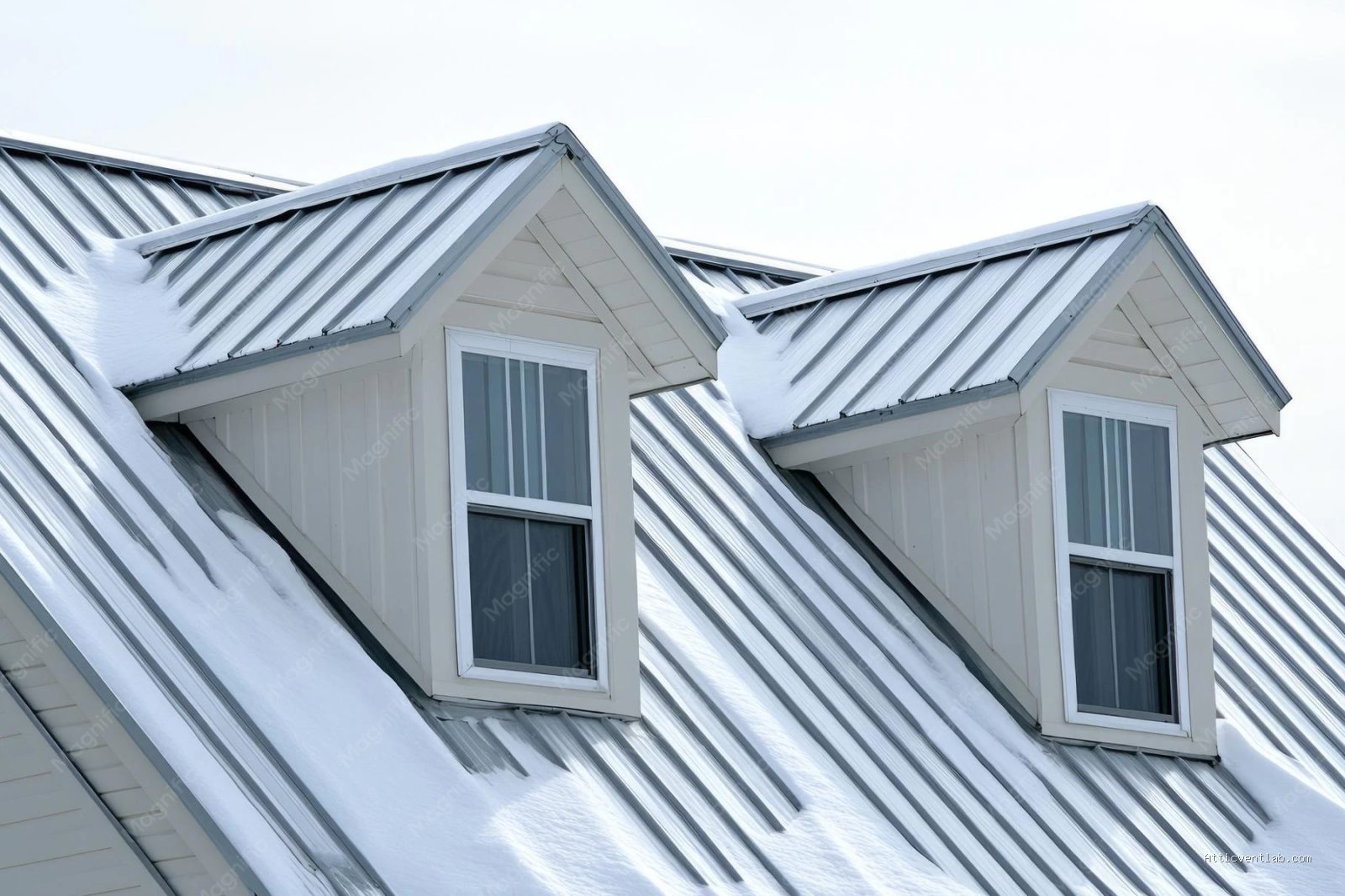
📷 Photo by freepik.com
- Inspect the attic during the early morning hours when the temperature differential between the inside and outside is at its peak.
- Use a flashlight to check the entire underside of the metal panels for active beads of water or glistening surfaces.
- Assess your ventilation system by ensuring that soffit vents are not blocked by insulation, which prevents the “chimney effect” required for airflow.
- Install a vapor barrier on the warm side of your attic insulation to prevent moisture from the living space from reaching the cold metal.
- Consider applying a spray-on moisture barrier or installing a rigid insulation board with a radiant barrier if the roof structure remains exposed.
- Monitor the attic for two weeks to see if the dampness on the insulation begins to dry out, confirming that the moisture source has been mitigated.
Common Mistakes in Attic Ventilation
Many homeowners make the mistake of over-sealing their homes without upgrading their ventilation. If you seal every crack in your ceiling to save energy but fail to provide an exhaust path for the attic, you are essentially trapping moisture inside. Another common error is using the wrong type of insulation. Some insulations are permeable to air; if these are used without a separate vapor retarder, they act like a sponge, absorbing the dripping condensation rather than allowing it to dry out. Always ensure your insulation is paired with a proper vapor barrier suitable for your specific climate zone.
Read also: How to Install Continuous Soffit Vents on Long Eaves for Even Airflow
Prevention Through Climate Control
Reducing the moisture load in your home is the first line of defense. Ensure that bathroom exhaust fans, dryer vents, and kitchen hoods are vented directly to the exterior of the house, not into the attic. It is a common misconception that venting these into the attic is acceptable; this practice is a leading cause of condensation and mold growth. By keeping the attic air as dry as the outside air, you significantly reduce the likelihood of the dew point being reached on your roof panels.
Frequently Asked Questions
Q: Is it normal for a metal roof to drip a little bit?
A: While minor condensation can occur during extreme weather shifts, constant or heavy dripping is not normal and indicates a failure in your attic’s thermal envelope or ventilation system that needs immediate attention.
Q: Will adding more insulation stop the dripping?
A: Adding insulation can help, but if you do not have a vapor barrier, the moisture will simply move through the insulation and condense on the metal anyway. You must pair insulation with proper ventilation and a moisture barrier to be effective.
Q: Can I use a dehumidifier in my attic to fix the problem?
A: A dehumidifier is a temporary band-aid and is usually not practical for an attic space. It is far more efficient to address the root cause, which is usually inadequate ventilation or air leakage from the living areas below.
Final Considerations for Homeowners
Metal roofing is an excellent, durable choice for many homes, but its performance depends entirely on the building science applied underneath it. If you are experiencing dripping, do not wait for the water to stain your ceilings or rot your roof deck. By checking your ventilation, sealing air leaks, and ensuring a proper vapor barrier is in place, you can eliminate condensation and enjoy the longevity that metal roofs are famous for. When in doubt, consult with a professional roofing contractor who specializes in metal installations to perform a moisture audit of your attic space.
📷 Photo by alamy.com


1 Comments
[…] Read AlsoSigns of Condensation Dripping from Bare Metal Roof Undersides into the Attic […]