

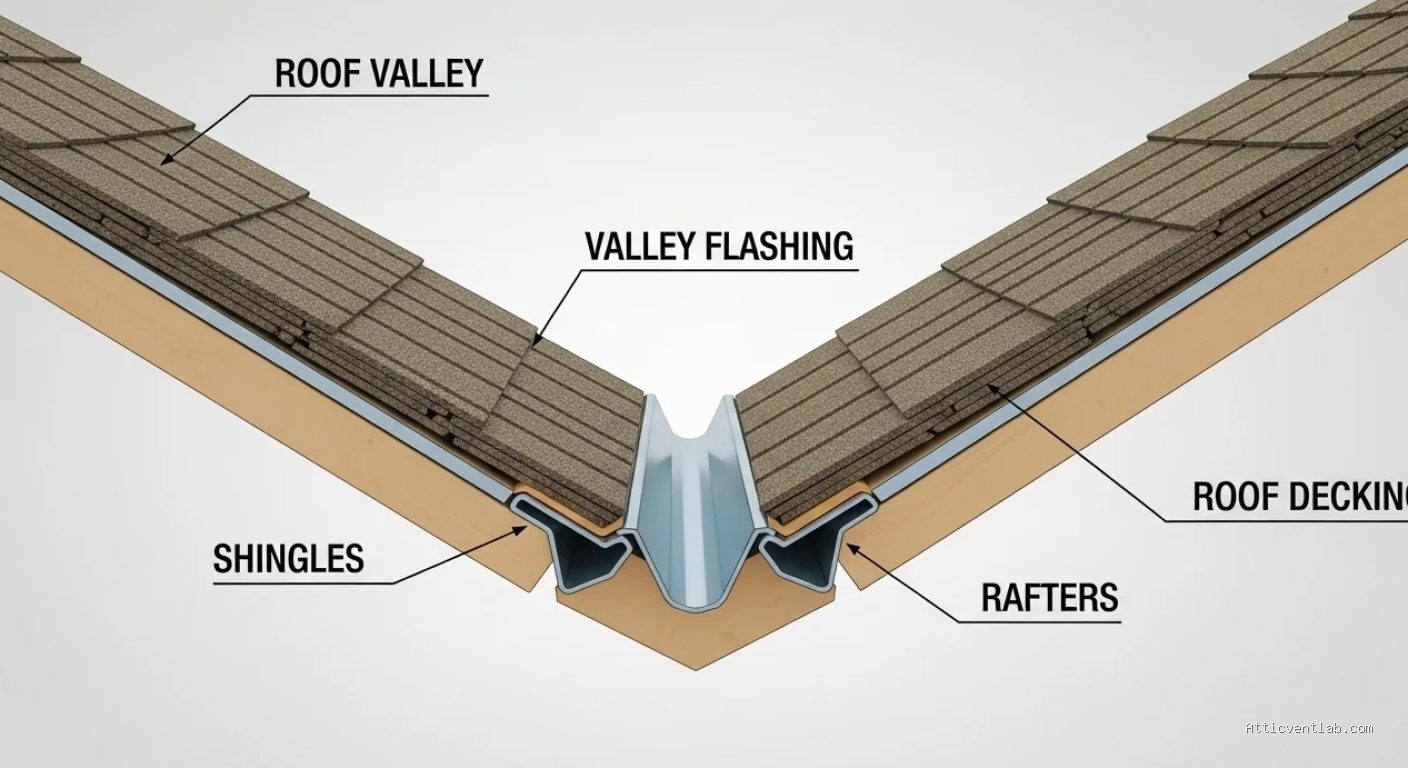
Atticventlab.com – Water traveling sideways under shingles from valley seams is primarily caused by improper underlayment overlapping, debris buildup, or damaged flashing that forces water to migrate laterally beneath the shingles during heavy rain or snowmelt. This phenomenon often manifests as localized water stains on attic roof decking or interior ceiling corners, far removed from the actual point of entry.
Understanding the Mechanics of Valley Leaks
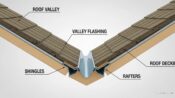
The roof valley is the most critical intersection on any sloped roof system. It serves as a natural funnel for water runoff from two converging roof planes. Because of the sheer volume of water these areas manage, they are highly susceptible to infiltration if the installation is not perfect. When water moves sideways under shingles, it is usually because the shingles were cut too short, the valley flashing is rusted, or the water is being pushed by wind-driven rain against the natural flow of the shingles.
The most common culprit is a failure in the secondary barrier, known as the underlayment. If the underlayment was not properly woven or overlapped, water that manages to get past the primary shingle layer will not be directed downward into the gutters. Instead, it will track along the felt paper or synthetic underlayment, moving laterally until it finds a nail hole, a seam, or an opening in the roof deck.
Visual Signs and Interior Indicators
Detecting lateral water movement requires a keen eye because the water rarely drips directly where it enters. Instead, it travels along the rafters or the underside of the plywood decking. You might notice dark, damp patches on your attic insulation that seem completely disconnected from the valley itself. Another sign is the presence of warped or cupped shingles along the valley edge, which indicates that water has been trapped underneath for an extended period.
Homeowners should also look for signs of rot on the roof sheathing near the rafters supporting the valley. If you see black staining or mold growth on the underside of the roof deck, it is a clear indicator that moisture is lingering in the attic space. In more severe cases, you may notice paint peeling or drywall sagging on the interior ceiling, which often occurs several feet away from the actual source of the leak.
Comparison of Common Valley Leak Causes
| Cause | Mechanism of Failure | Resulting Symptom |
|---|---|---|
| Improper Underlayment | Lack of sufficient overlap | Lateral migration toward rafters |
| Debris Accumulation | Dams formed by leaves/needles | Water forced under shingle edges |
| Corroded Flashing | Metal breakdown due to age | Seepage into the roof structure |
| Shingle Clipping | Cutting shingles too far back | Exposed underlayment/fasteners |
Practical Steps to Inspect and Address Valley Leaks
If you suspect water is traveling sideways beneath your shingles, you must act quickly to prevent structural wood rot and mold colonization. Follow these steps to conduct a professional-grade inspection and mitigation strategy:
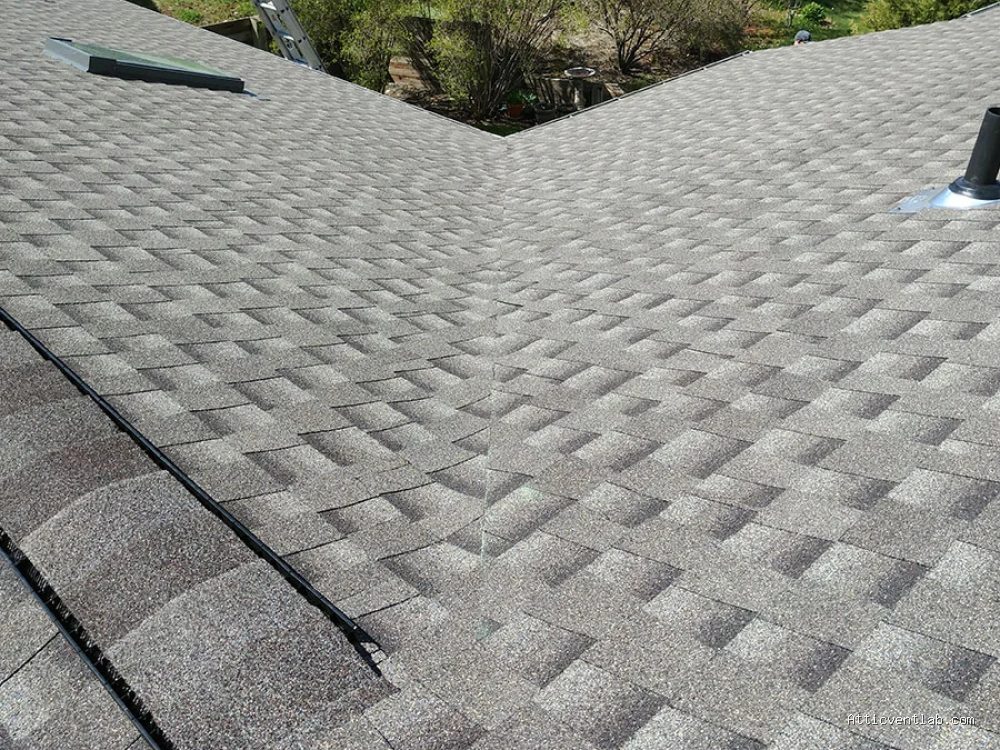
📷 Photo by design.udlvirtual.edu.pe
- Clear all debris from the valley area. Use a leaf blower or a soft-bristled broom to remove needles, leaves, and shingle granules that create water dams.
- Perform an attic inspection during a rain event. Use a high-powered flashlight to trace the path of moisture from the interior ceiling back toward the eaves.
- Inspect the valley flashing for visible gaps or rusted-through sections. If the metal is compromised, the entire valley section usually requires a professional re-installation.
- Check the shingles for “clipping.” Ensure that the shingles covering the valley overlap the center line by at least 12 inches on both sides to prevent wind-driven rain from pushing water underneath.
- Seal exposed nail heads. If you find nails that were driven into the valley flashing, use a high-quality roofing sealant to cover them, as these are common entry points for water.
The Risks of Ignoring Lateral Water Migration
Ignoring these signs can lead to catastrophic damage to your home’s skeletal structure. Because the water is moving underneath the shingles, it often remains hidden until the roof decking has completely rotted. By the time you notice a ceiling stain, you may be dealing with extensive mold growth and structural failure of the rafters. Furthermore, moisture trapped in the attic reduces the effectiveness of your insulation, leading to significantly higher heating and cooling costs.
Many homeowners make the mistake of assuming that a small leak is a minor nuisance. However, water that travels sideways is particularly insidious because it travels along the path of least resistance. It may migrate over electrical wiring, causing potential fire hazards, or drip onto structural beams, compromising the load-bearing capacity of your roof system over time.
Frequently Asked Questions
Q: Can I just caulk the edge of the shingles in the valley to stop the leak?
A: Absolutely not. Caulking the edge of the shingles will trap water underneath them, creating a dam that forces more moisture into the roof assembly. Proper valley repair requires correcting the flashing or underlayment beneath the shingles.
Q: Why does my roof leak only during heavy winds?
A: High winds create pressure differentials that can push water upward and sideways, bypassing the protective overlap of your shingles. This confirms that your secondary water barrier, the underlayment, is likely compromised or installed incorrectly.
Q: Should I replace the whole roof if I have a valley leak?
A: Not necessarily. If the roof is relatively new, a professional roofer can perform a “valley repair” by removing the shingles in that specific area, replacing the underlayment and flashing, and re-shingling the section properly.
Final Considerations for Maintenance
Prevention is always more cost-effective than repair. Schedule a professional roof inspection at least once a year, specifically after the autumn season when leaves are most likely to accumulate in your valleys. Ensure that your gutters are cleaned regularly, as clogged gutters can cause water to back up into the lower sections of the roof, exacerbating the issues caused by poor valley installation. Maintaining a clean and debris-free roof surface is the single most effective way to ensure that water follows its intended path into your drainage system rather than underneath your shingles.
Read also: How to Wire a Solar Powered Attic Fan on a High-Pitch Hip Roof
📷 Photo by mkbestroofing.com





1 Comments
[…] Read also: Signs of Water Traveling Sideways Under Shingles from Valley Seams […]