

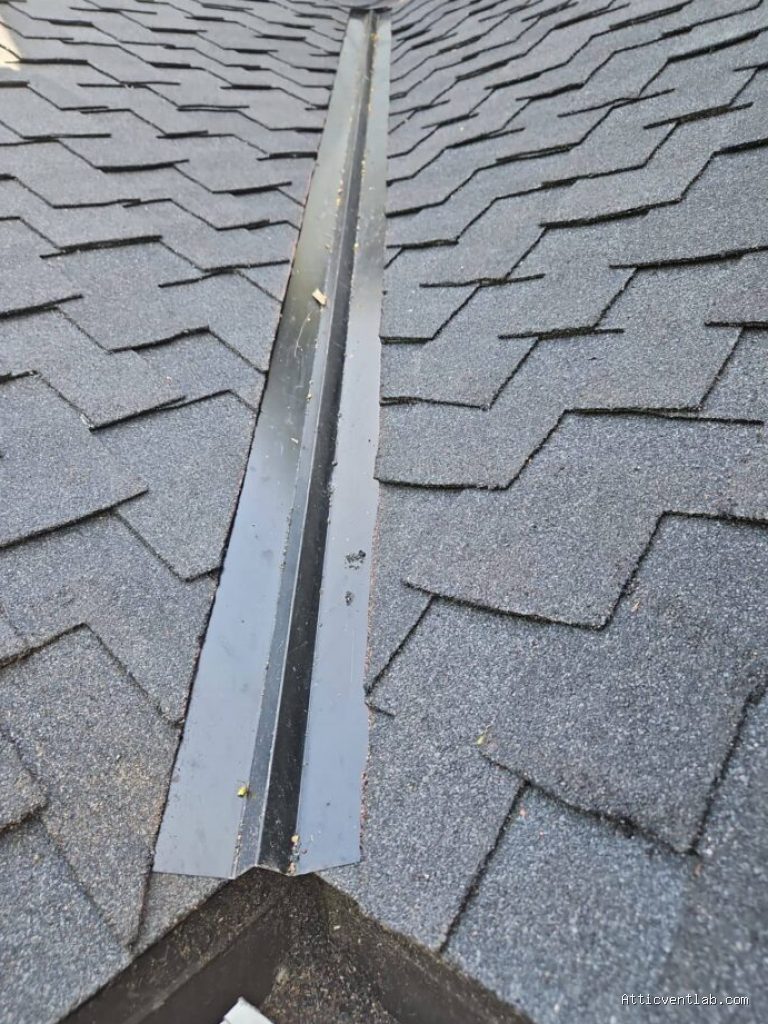
Atticventlab.com – Mastic and tar smears fail on valley flashing repairs because these materials lack the elasticity to withstand the continuous thermal expansion and contraction cycles of roof metal, leading to brittle cracking and water infiltration.
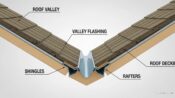
Roof valleys are arguably the most vulnerable components of any roofing system. They serve as the primary drainage channels where two slopes meet, concentrating massive volumes of water during precipitation. When homeowners or contractors attempt to patch these critical areas using cheap bituminous mastic or tar, they are essentially applying a temporary bandage to a structural movement problem. Over time, these materials harden, lose their bond with the metal flashing, and eventually crack, creating a direct pathway for moisture to rot the underlying roof deck.
Why Bituminous Materials Are Unsuitable for Metal Valleys
The core issue lies in the physics of the materials involved. Metal flashing, whether galvanized steel, copper, or aluminum, reacts significantly to temperature fluctuations. A metal valley can expand and contract by fractions of an inch throughout a single day as the sun hits it. Mastic and tar are essentially semi-solid petroleum byproducts that do not have the molecular memory or flexibility to stretch with the metal. As the metal moves, the stiff tar layer pulls away from the substrate, creating microscopic fissures that grow into large, leaking cracks.
Furthermore, these materials are highly sensitive to ultraviolet (UV) degradation. When exposed to direct sunlight, the oils in the tar evaporate, leaving behind a brittle, chalky residue. Once the material loses its plasticity, it becomes porous. This not only fails to stop water but can actually trap moisture against the metal, accelerating corrosion and rust through a process known as crevice corrosion.
Common Failures and Risks of Improper Patching
Using tar as a “quick fix” for valley leaks often masks the symptoms while worsening the underlying structural damage. One common mistake is the “thick smear” approach. People often believe that applying a thicker layer of tar will provide better protection. In reality, a thick layer of mastic creates a thermal insulator that keeps the metal underneath at a different temperature than the surrounding roof, exacerbating the expansion mismatch. Additionally, the weight of the tar can trap debris and pine needles, which hold moisture against the metal, leading to premature rusting of the valley flashing itself.
When these repairs inevitably fail, the damage is often hidden. Because the tar creates a seal over the top of the metal, water can seep underneath the patch and travel laterally along the roof deck. By the time a leak is visible on the interior ceiling, the plywood sheathing or rafters beneath the valley are often already suffering from advanced wood rot or mold growth.
Comparison of Repair Materials
Read also: How to Water-Test Step Flashing Behind Siding with a Garden Hose
| Material Type | Elasticity | UV Resistance | Longevity | Recommended Use |
|---|---|---|---|---|
| Bituminous Mastic/Tar | Low | Poor | 1-2 Years | Emergency temporary seal only |
| Polyurethane Sealant | High | Moderate | 5-10 Years | General exterior gaps |
| Butyl Rubber Tape | High | Excellent | 15+ Years | Metal flashing seams |
| Modified Bitumen Flashing | Medium | High | 10+ Years | Flat roof transitions |
The Correct Approach to Valley Flashing Repairs
To properly repair a valley, you must address the mechanical cause of the leak rather than simply covering it. If the valley flashing is rusted through, no amount of sealant will fix the issue; the flashing must be replaced. However, if the issue is a failed seam or a loose fastener, professional-grade materials are required.
Steps for a Durable Valley Repair:
- Clear all debris and old, cracked mastic from the area using a wire brush or scraper to expose the bare metal.
- Clean the surface thoroughly with a solvent like denatured alcohol or mineral spirits to ensure there is no oily residue left behind.
- Inspect the metal for rust pits or holes; if the metal is compromised, it must be patched with a metal inlay or replaced entirely.
- Apply a high-grade, UV-stable, elastomeric sealant or a butyl rubber tape specifically designed for metal roof applications.
- Ensure the repair allows for the natural movement of the metal by not overtightening fasteners or using rigid, non-flexible bonding agents.
- If using a sealant, tool the edges to ensure a smooth, tapered transition that prevents water from catching on the edge of the patch.
Professional Tips for Long-Term Maintenance
The best way to avoid valley flashing failure is through proactive maintenance. Keep the valleys free of debris at all times. Leaves, pine needles, and moss act as sponges, keeping the flashing in a constant state of saturation. This moisture, combined with the acidity of decaying organic matter, will eat through even the most durable metal flashing over time.
Another crucial tip is to avoid using nails to secure loose flashing. Every time you drive a nail through the valley flashing, you are creating a new potential leak point. If you must secure loose metal, use specialized roof screws with neoprene washers, as these allow for slight movement without breaking the seal. Always prioritize mechanical repairs over chemical ones.
Frequently Asked Questions
Q: Can I use flashing cement over a rusted valley?
A: No, flashing cement is a temporary measure and will not adhere properly to rusted metal. The rust will continue to spread underneath the cement, eventually causing the entire patch to delaminate.
Q: Why does my patch crack every winter?
A: Your patch is cracking because the material used is not elastomeric enough to handle the thermal contraction of the metal during cold temperatures, causing the hardened tar or sealant to snap.
Q: Is there a permanent liquid solution for valley leaks?
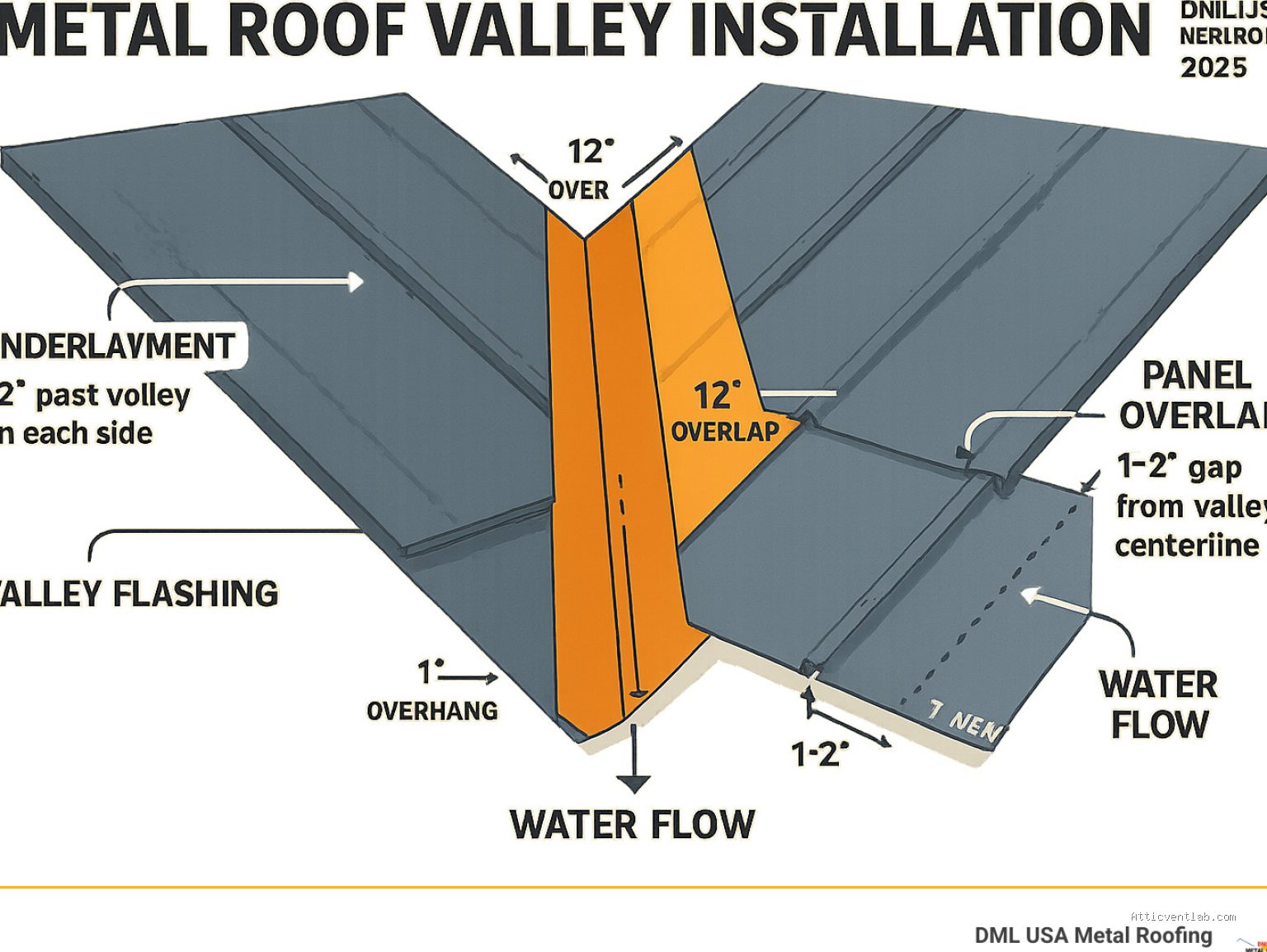
📷 Photo by dmlusa.com
A: While high-end silicone or polyurethane coatings exist, they are not a substitute for damaged metal. They are best used as a preventative barrier on sound metal, not as a structural fix for holes or gaps.
In conclusion, the failure of tar and mastic in valley repairs is a failure of material science. By understanding that roof components are dynamic systems that move and breathe, you can avoid the cycle of temporary fixes. Invest in high-quality, flexible materials and prioritize the integrity of the metal itself to ensure your roof remains watertight for years to come.
📷 Photo by benjaminbrumfield.com




1 Comments
[…] Read also: Why Mastic and Tar Smears Crack and Fail on Valley Flashing Repairs […]