

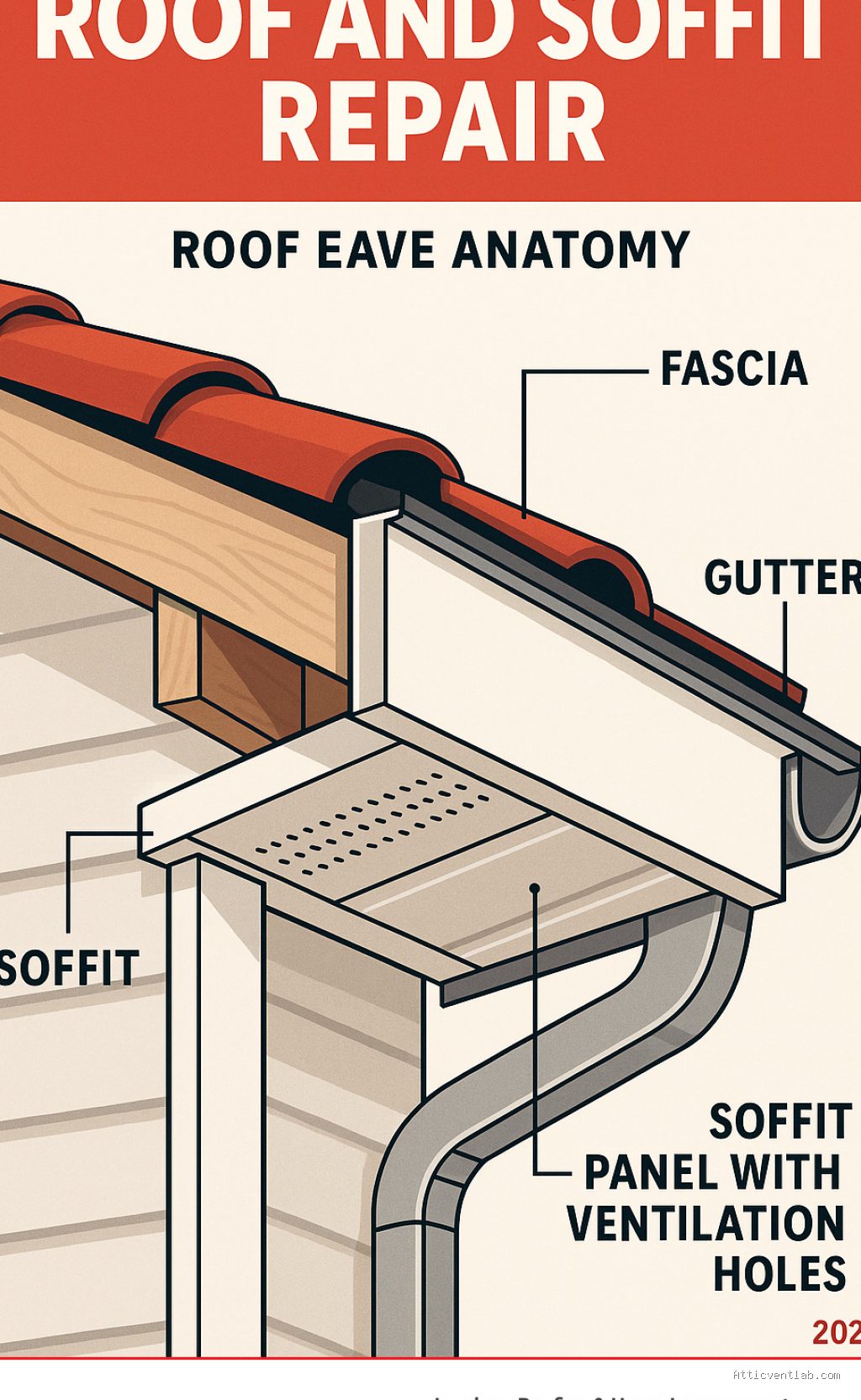
Atticventlab.com – Unclogging frozen soffit vents blocked by gutter slush requires safely removing the ice dam debris and clearing the ventilation path to restore attic airflow and prevent moisture buildup. You must address both the immediate obstruction and the underlying thermal imbalance that causes the slush to freeze in the first place.
The Mechanics of the Problem
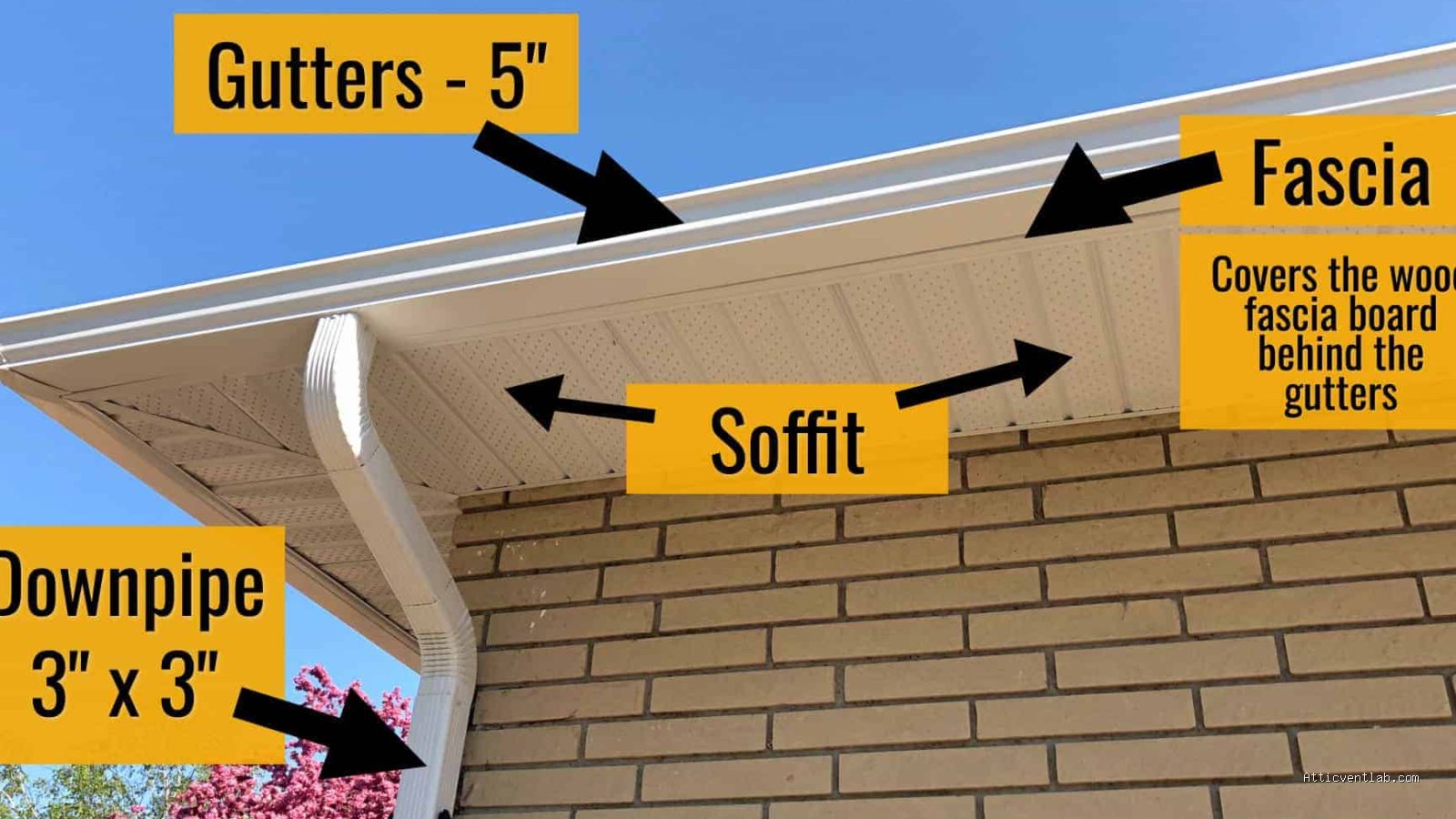
📷 Photo by us.ugfc.org
Soffit vents are the primary intake points for an attic ventilation system, allowing cool, dry air to enter the roof cavity. When gutter slush—a mixture of melting snow and ice—overflows or backs up into the soffit area, it freezes into a solid mass. This acts as a physical barrier that completely seals off the intake, effectively choking your attic’s breathing mechanism. Without this intake, warm air trapped in the attic cannot escape through the ridge vents, leading to condensation, mold growth, and the structural degradation of your roof decking.
Immediate Risks of Blocked Soffits
Ignoring these blocked vents during winter months is a recipe for disaster. The most immediate risk is the formation of ice dams. When warm air stays trapped against the underside of the roof deck, it melts the snow sitting on the shingles. This water runs down to the cold eaves, where it refreezes. Because the soffits are blocked, the roof remains warm, and the cycle continues, forcing water to back up under your shingles and leak into your home’s interior walls.
Safety and Preparation
Before attempting to clear frozen vents, prioritize your safety. Working on ladders during winter is hazardous due to slippery conditions and the weight of ice. Always use a stable ladder, wear appropriate traction footwear, and never attempt to clear vents from the roof surface if it is covered in ice. If the blockage is high up, consider hiring a professional to avoid personal injury.
Step-by-Step Guide to Clearing Frozen Vents
Read also: Causes of Water Intrusion at the Apex Where Two Ridge Vents Intersect
- Assess the blockage: Identify whether the obstruction is loose slush or a solid ice dam. If it is solid ice, do not use heavy metal tools that could damage the soffit material.
- Clear accessible debris: Use a plastic scoop or a soft-bristled brush to remove any loose snow or slush resting directly on the lip of the gutter or the soffit edge.
- Apply a safe de-icer: Use a calcium chloride-based ice melt or a mix of warm water and rock salt in a spray bottle. Avoid harsh chemicals that could damage your siding or landscaping.
- Manual extraction: Once the ice has loosened, gently pull the slush away from the intake slots using a plastic scraper. Ensure you are working from the ground or a secure ladder position.
- Ventilation check: Once cleared, ensure that the intake vent is not clogged with debris like leaves or nests that may have been trapped within the slush.
- Monitor the roof: Watch for signs of recurring ice dams. If the vents clog immediately after clearing, your attic insulation may be inadequate.
Comparison of De-icing Methods
| Method | Pros | Cons |
|---|---|---|
| Warm Water/Salt Mix | Safe for materials | Slow to act on thick ice |
| Plastic Scraper | Immediate physical removal | Risk of damaging soft vinyl |
| Calcium Chloride | Very effective at low temps | Can be corrosive to metal |
| Heat Cables | Prevents future buildup | Requires electrical installation |
Common Mistakes to Avoid
One of the most frequent errors homeowners make is using a hammer or metal crowbar to chip away at ice blocking the soffits. Vinyl and aluminum soffits are brittle in freezing temperatures and will crack or dent easily. Once the soffit material is compromised, it is expensive to replace and may allow pests or moisture to enter the attic permanently.
Another mistake is focusing solely on the gutter. While the gutter is the location of the slush, the root cause is often a lack of proper attic insulation. If your attic is losing heat, the roof edge will stay warm enough to melt snow even in freezing weather. You should inspect your attic floor to ensure that insulation is not covering the soffit baffles, which can cause the intake air to be blocked from inside the house as well.
Long-Term Prevention Strategies
To prevent this issue from recurring, ensure your gutter system is clear of debris before the first frost. Clogged gutters trap water, which is more likely to freeze than free-flowing runoff. Installing gutter guards can help, but they must be cleaned regularly to prevent ice buildup on top of the mesh.
Furthermore, check your attic ventilation baffles. Baffles are plastic or cardboard channels installed between the rafters that keep the insulation from pushing up against the roof deck. If these are missing or crushed, the airflow is restricted even if the outside soffit vents are perfectly clear. Improving your attic insulation and sealing air leaks from the living space into the attic are the most effective long-term solutions.
Frequently Asked Questions
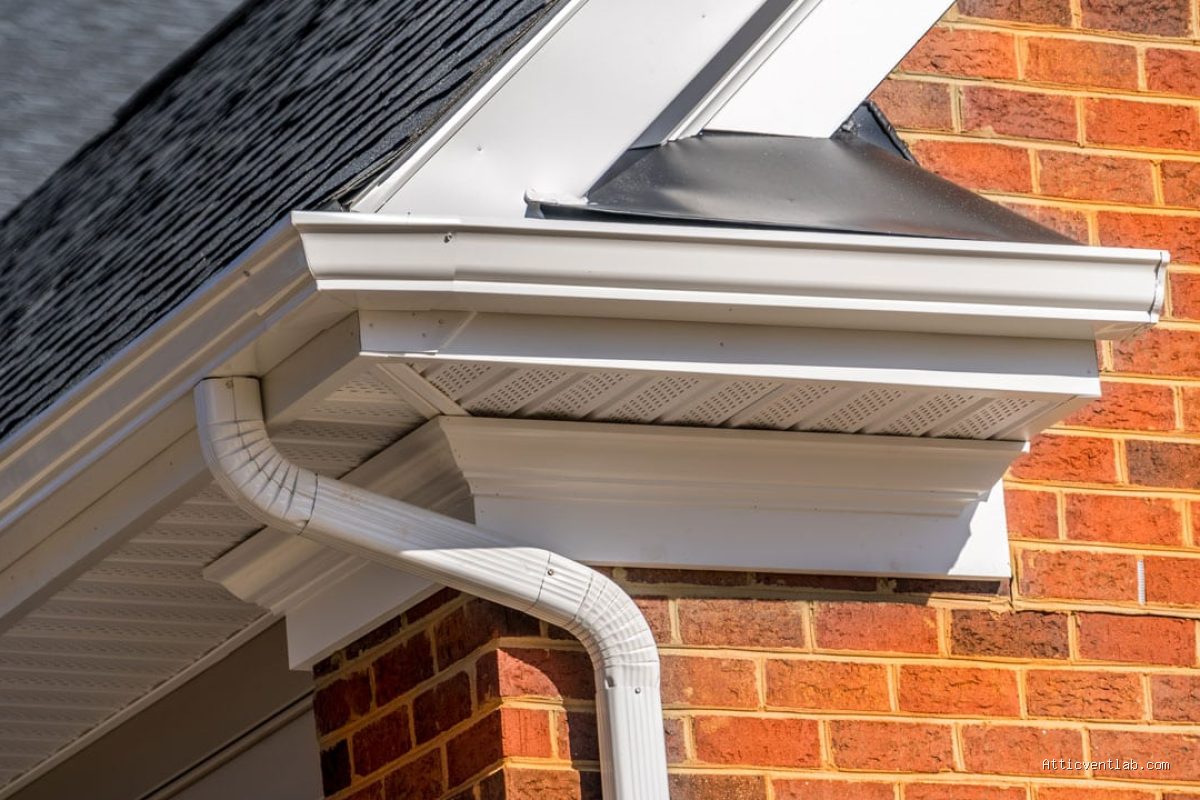
📷 Photo by hvacseer.com
Q: Can I use a hair dryer to melt the ice in the soffit vents?
A: While a hair dryer can work, it is impractical for large areas and risky due to the proximity of water and electricity. It is safer to use warm water or chemical de-icers.
Q: How do I know if my soffit vents are actually blocked?
A: Look for ice buildup on the edge of your roof or icicles hanging from the gutters. Inside the attic, look for frost on the roof deck or damp insulation near the eaves.
Q: Should I remove the soffit panels to clean them?
A: Only if they are damaged or heavily impacted with debris. Removing them in freezing temperatures often causes the plastic clips to snap, making them difficult to reinstall.
Concluding Thoughts
Maintaining clear soffit vents is essential for the health of your roof and the energy efficiency of your home. By taking a proactive approach to clearing slush and addressing the thermal leaks in your attic, you can prevent the damaging cycle of ice dams and ensure your home stays protected throughout the winter season. Always prioritize safety and use non-abrasive methods to preserve the integrity of your roof’s ventilation system.
📷 Photo by loudounroofinghic.com






1 Comments
[…] Read also: How to Unclog Frozen Soffit Vents Blocked by Overhanging Gutter Slush […]