

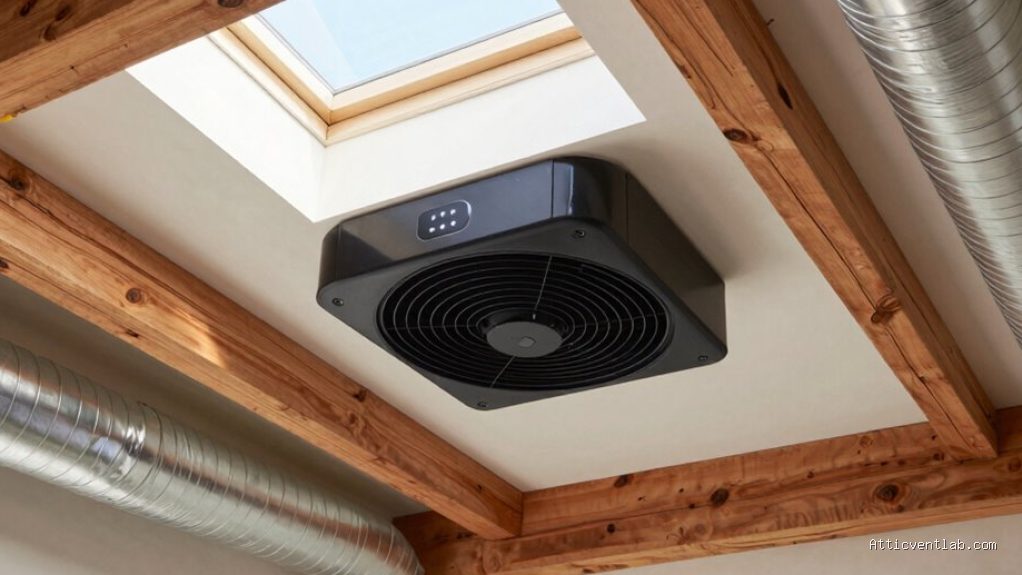
Atticventlab.com – Powered attic fans create negative pressure within a home, which can overwhelm the natural draft of fuel-burning water heaters and pull deadly carbon monoxide (CO) back into the living space instead of venting it outside.
The Mechanics of Negative Pressure
Most residential water heaters rely on a natural draft system. This process depends on the buoyancy of hot exhaust gases to rise through a flue pipe and exit the roof. These systems are designed to operate in a neutral or slightly positive pressure environment where there is sufficient makeup air to replace what is being exhausted.
When you install a powerful attic fan, you introduce a mechanical force that extracts large volumes of air from the attic space. If your attic is not perfectly sealed from the living area—which is true for almost every home due to light fixtures, plumbing stacks, and attic hatches—the fan begins to draw air from the rooms below to replace the air it is pushing outside. This creates a negative pressure condition inside your home.
The Danger of Backdrafting
Backdrafting occurs when the pressure differential caused by the attic fan becomes stronger than the natural thermal draft of the water heater’s flue. The air pressure outside the chimney becomes higher than the pressure inside the house, effectively pushing the exhaust gases back down the vent pipe.
Instead of harmless water vapor and carbon dioxide escaping into the atmosphere, the water heater begins to spill combustion byproducts, including carbon monoxide, directly into your home. Because carbon monoxide is odorless, colorless, and tasteless, residents are often unaware that they are being poisoned until they experience physical symptoms such as headaches, nausea, dizziness, or fatigue.
Common Risk Factors
Not every home with an attic fan will experience backdrafting, but certain conditions significantly increase the risk. Homes that are tightly sealed for energy efficiency are particularly vulnerable because they lack the natural air infiltration needed to balance the pressure lost to the attic fan.
Furthermore, older water heaters or those with undersized or obstructed venting systems are more likely to fail when subjected to negative pressure. If your water heater shares a flue with another appliance, such as a furnace, the risk is compounded, as the two appliances compete for the limited air supply.
Comparison of Ventilation Methods
| Ventilation Type | Impact on Home Pressure | Backdraft Risk |
|---|---|---|
| Passive Ridge Vents | Neutral | Negligible |
| Solar-Powered Attic Fan | Low to Moderate | Low |
| Electric Powered Attic Fan | High | High |
| Whole-House Fan | Very High | Critical |
Steps to Prevent Carbon Monoxide Backdrafting
If you suspect your attic fan is interfering with your appliances, you must take immediate action to ensure the safety of your household. Follow these steps to evaluate and mitigate the risk:
- Install high-quality carbon monoxide detectors on every level of the home and outside each sleeping area. Test them monthly to ensure they are functioning correctly.
- Perform a smoke test while the attic fan is running. Light a small incense stick near the water heater’s draft hood—if the smoke is pulled into the hood, the draft is working; if the smoke is pushed out into the room, you have a backdraft problem.
- Seal all penetrations between your attic and the living space. Use expanding foam or caulk to close gaps around electrical wires, plumbing pipes, and HVAC ducts to minimize the “leakage” that allows the attic fan to pull air from your home.
- Consult a licensed HVAC professional to conduct a combustion safety analysis. They can measure the pressure differential and determine if your water heater requires a power-vented upgrade or if the attic fan needs to be disabled.
- Consider switching to a direct-vent or electric water heater. These units do not rely on interior air for combustion and are immune to the pressure fluctuations caused by attic ventilation systems.
Signs of Potential Backdrafting
Beyond the obvious danger of CO poisoning, there are subtle signs that your ventilation system is struggling. You might notice condensation forming on the windows in the winter, which indicates high humidity levels trapped inside. Additionally, if you smell a musty or “burnt” odor when the water heater is running, it may be a sign that exhaust is spilling into the house.
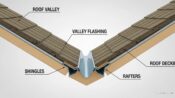
Read also: How to Cut Shingles Straight Along a Metal Valley Line Using a Hook Blade
Another warning sign is soot accumulation around the draft hood of the water heater. If you see black, dusty residue near the top of the appliance, it is a clear indicator that combustion gases are not exiting the flue properly. This is a severe safety violation and requires immediate professional intervention.
The Role of Makeup Air
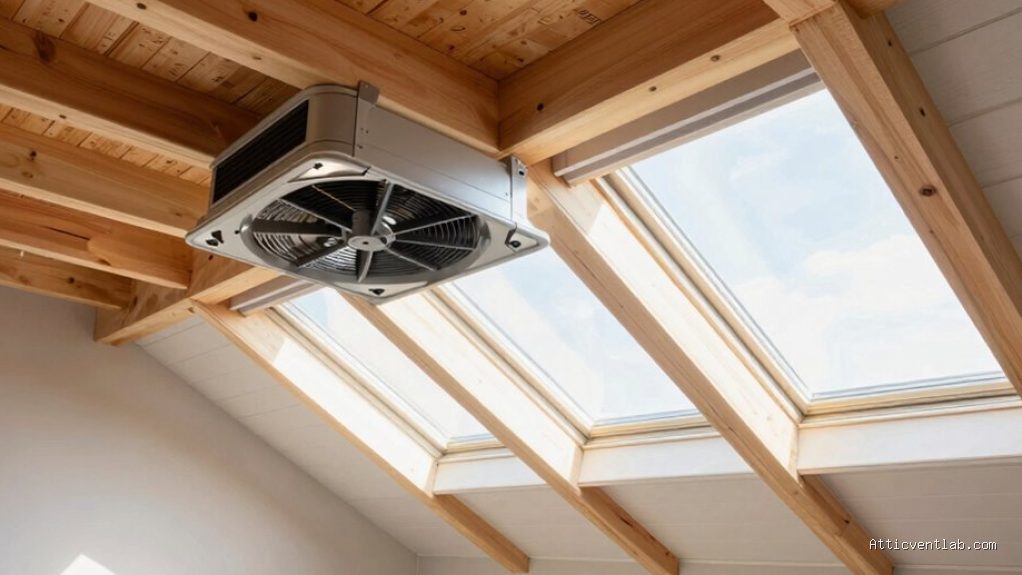
📷 Photo by whilehome.com
The fundamental issue is the lack of makeup air. A combustion appliance needs a steady supply of oxygen to burn fuel. If the attic fan steals this air, the fire starves, and the exhaust has nowhere to go but backward. To combat this, some older homes were built with dedicated combustion air intakes. However, these are often blocked by homeowners trying to “weatherize” or improve the insulation of their basements or utility rooms.
If you must keep your attic fan for temperature control, ensure that your utility room has adequate, unobstructed access to outside air. Never block vents that lead to the furnace or water heater closet, even if you feel a draft, as that draft is often the only thing preventing a hazardous buildup of carbon monoxide.
Q: Should I turn off my attic fan if I use a gas water heater?
A: Yes, if your home shows signs of backdrafting or negative pressure, it is safer to disconnect the attic fan until you can consult a professional to ensure your combustion appliances are properly vented and receiving enough makeup air.
Q: Can I use a CO detector to verify if my fan is safe?
A: A CO detector is a life-saving safety device, but it should not be used as a diagnostic tool. If your CO detector goes off, evacuate the house immediately and call the fire department; do not attempt to “test” the fan’s safety by waiting for an alarm to trigger.
Q: Is there any attic fan that doesn’t cause this problem?
A: Passive ventilation systems like ridge vents and soffit vents do not create negative pressure, making them the safest choice for homes with gas-fired appliances. If you require mechanical ventilation, ensure your home has a properly engineered makeup air system installed by a qualified HVAC contractor.
Ultimately, the goal of attic ventilation is to protect the roof structure, not to compromise the safety of the interior environment. Always prioritize the integrity of your combustion venting systems over the cooling benefits of an attic fan. When in doubt, rely on passive ventilation and ensure your home’s air sealing is done with the help of a professional who understands building science.
📷 Photo by topceilingfans.net



1 Comments
[…] Read also: Why Powered Attic Fans Can Backdraft Carbon Monoxide from Water Heaters […]