

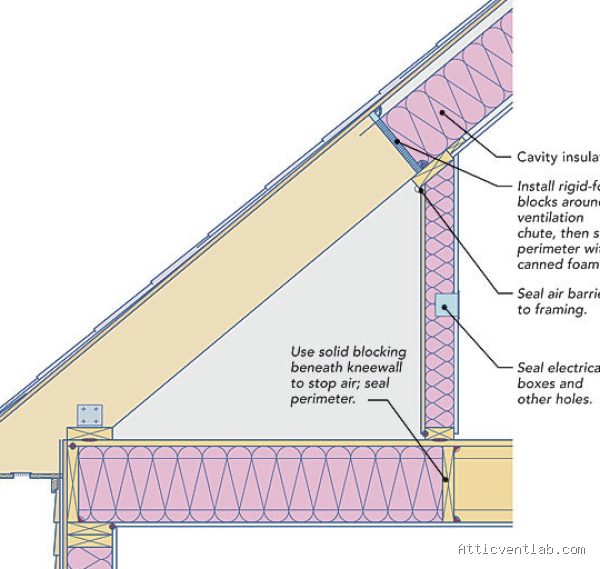
Atticventlab.com – Unvented attic kneewalls cause cold bedrooms and roof hotspots by creating thermal bypasses and air leakage paths that disrupt the building envelope’s insulation and ventilation continuity. These structural gaps allow conditioned air to escape into the attic while simultaneously trapping heat against the roof deck, leading to uneven temperatures and potential moisture damage.
The Mechanics of Kneewall Failure
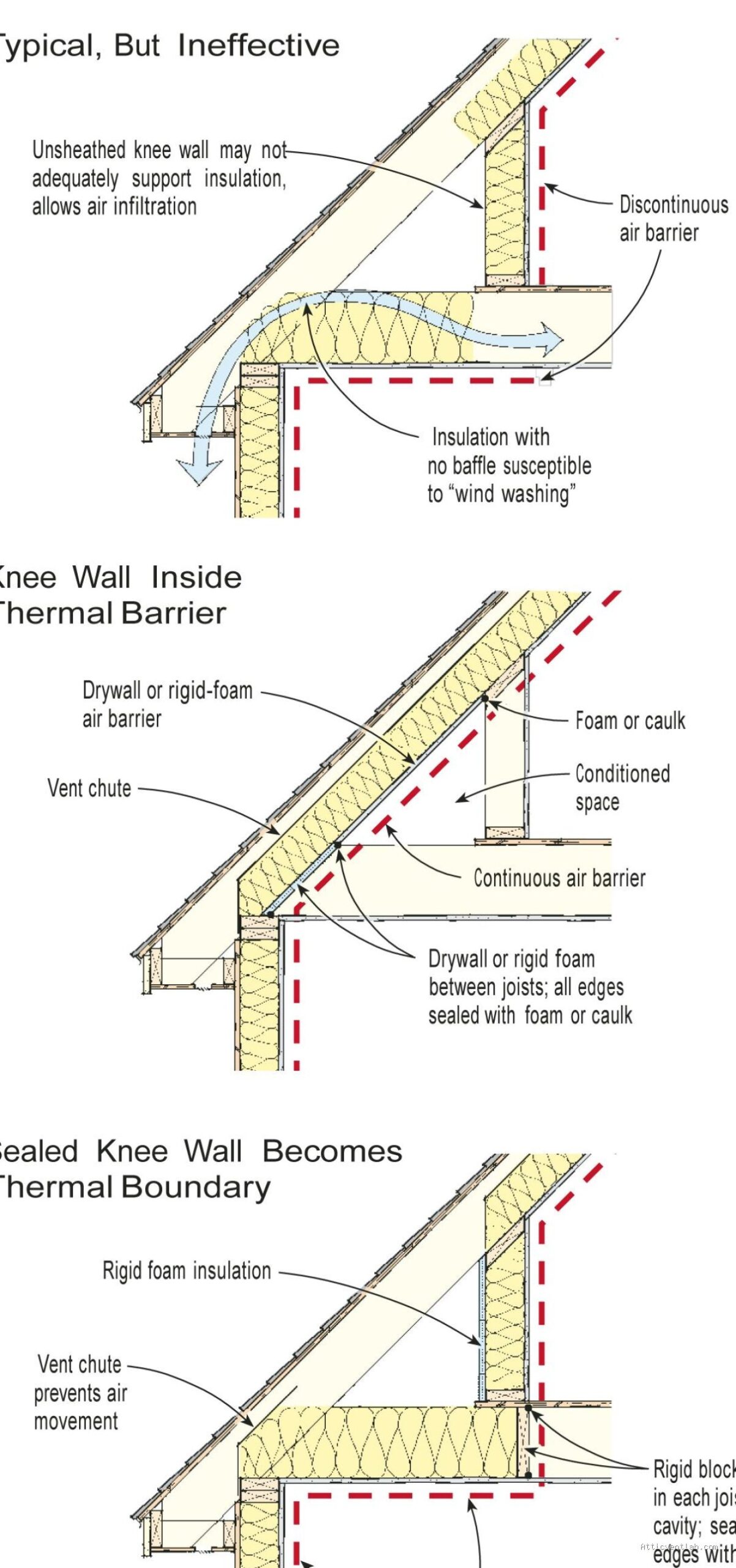
Kneewalls are short vertical walls found in finished attics or rooms with sloped ceilings. When these spaces are left unvented or improperly sealed, they act as a chimney for your home’s conditioned air. In a standard setup, the insulation is often placed between the studs of the kneewall, but without a rigid air barrier, air moves freely through the fiberglass batts. This phenomenon, known as air washing, renders even thick insulation ineffective because the air passes through it rather than staying trapped within it.
During the winter, the heat from your bedroom escapes through the gaps around the kneewall and into the unconditioned attic space. This creates a freezing sensation in the room as cold air from the attic is drawn in to replace the escaping warmth. Conversely, in the summer, the roof deck heats up significantly. If the attic ventilation system is blocked or the kneewall cavity allows heat transfer, the heat radiates directly through the attic floor and into the bedroom, creating localized hotspots that make air conditioning work significantly harder.
Common Risks and Structural Impacts
Beyond simple discomfort, unvented kneewalls pose a risk to the structural integrity of your roof system. When warm, moist air from your home enters the attic, it meets the cold surface of the roof deck. This leads to condensation, which can cause wood rot, mold growth, and the deterioration of shingles. Roof hotspots are often a precursor to ice damming in colder climates, as the heat escaping through the kneewall warms the roof deck from underneath, melting snow that then refreezes at the cold eaves.
📷 Photo by storage.googleapis.com
Comparison of Kneewall Insulation Strategies
| Strategy | Effectiveness | Risk Level | Installation Difficulty |
|---|---|---|---|
| Standard Fiberglass Batts | Low | High (Air Leakage) | Easy |
| Rigid Foam Board + Spray Foam | High | Low (Air Sealed) | Moderate |
| Dense Pack Cellulose | High | Low (Air Blocking) | Professional Required |
Steps to Retrofit and Seal Kneewalls
If you suspect your kneewalls are the culprit behind your home’s thermal issues, you must prioritize air sealing before adding more insulation. Simply adding more material over a leaky wall is a common mistake that yields very little improvement. Follow these steps to rectify the problem:
- Clear the attic access point and inspect the base of the kneewall for gaps, cracks, or loose framing.
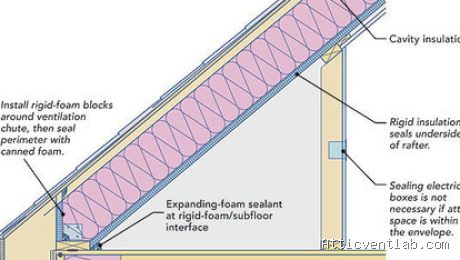
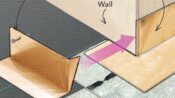
- Install a rigid air barrier, such as plywood or rigid foam board, against the back of the kneewall studs to prevent air washing.
- Seal all edges of the rigid barrier using high-quality spray foam or acoustic sealant to ensure an airtight connection to the floor and rafters.
- Ensure the cavity behind the kneewall is insulated with proper materials, such as mineral wool or spray foam, that maintain their integrity over time.
- Verify that the attic ventilation path remains open; the kneewall should be treated as part of the thermal envelope, not the ventilation system.
Identifying the Signs of Trouble
You can often diagnose a kneewall issue without professional tools. Start by placing your hand near the baseboard or the interface where the sloped ceiling meets the vertical wall. If you feel a draft, you have an air leakage problem. Another indicator is the presence of dust patterns on your carpet or drywall near the kneewall; these dust streaks are often left behind as air is filtered through the cracks in the building envelope.
Roof hotspots are visible from the exterior during winter. If you notice specific sections of your roof are clear of snow while the rest of the roof remains covered, the heat loss is likely concentrated at those kneewall locations. This is a clear signal that the thermal boundary is breached, and immediate intervention is required to prevent moisture accumulation.
Common Mistakes to Avoid
A frequent error is placing insulation directly against the roof deck behind the kneewall without a proper baffle. This blocks the necessary airflow from the soffit vents to the ridge vent, which leads to overheating of the roof structure. Another mistake is forgetting the attic floor beneath the kneewall. Many homeowners insulate the wall itself but leave the floor joist cavities open, which allows air to travel from the wall into the floor joists and bypass the insulation entirely.
Frequently Asked Questions
Q: Should I use fiberglass batts behind my kneewall?
A: Fiberglass batts alone are insufficient because they allow air to pass through them. If you use them, you must install a rigid air barrier on the attic side to prevent air washing.
Q: Will sealing the kneewall stop ice dams?
A: Yes, by reducing the amount of heat escaping into the attic, you keep the roof deck cooler, which significantly decreases the likelihood of snow melting and refreezing at the eaves.
📷 Photo by finehomebuilding.com
Q: Is spray foam the only solution for kneewalls?
A: It is the most effective solution for air sealing and insulation in one step, but rigid foam board combined with proper sealing tape or caulk is a highly effective and budget-friendly alternative for DIY projects.
Addressing the issues associated with unvented kneewalls is an investment in both comfort and the longevity of your home. By treating the kneewall as a critical component of your thermal envelope, you can eliminate cold spots, stabilize your indoor climate, and prevent costly long-term damage to your roof and framing.
📷 Photo by storage.googleapis.com


Leave a Reply