

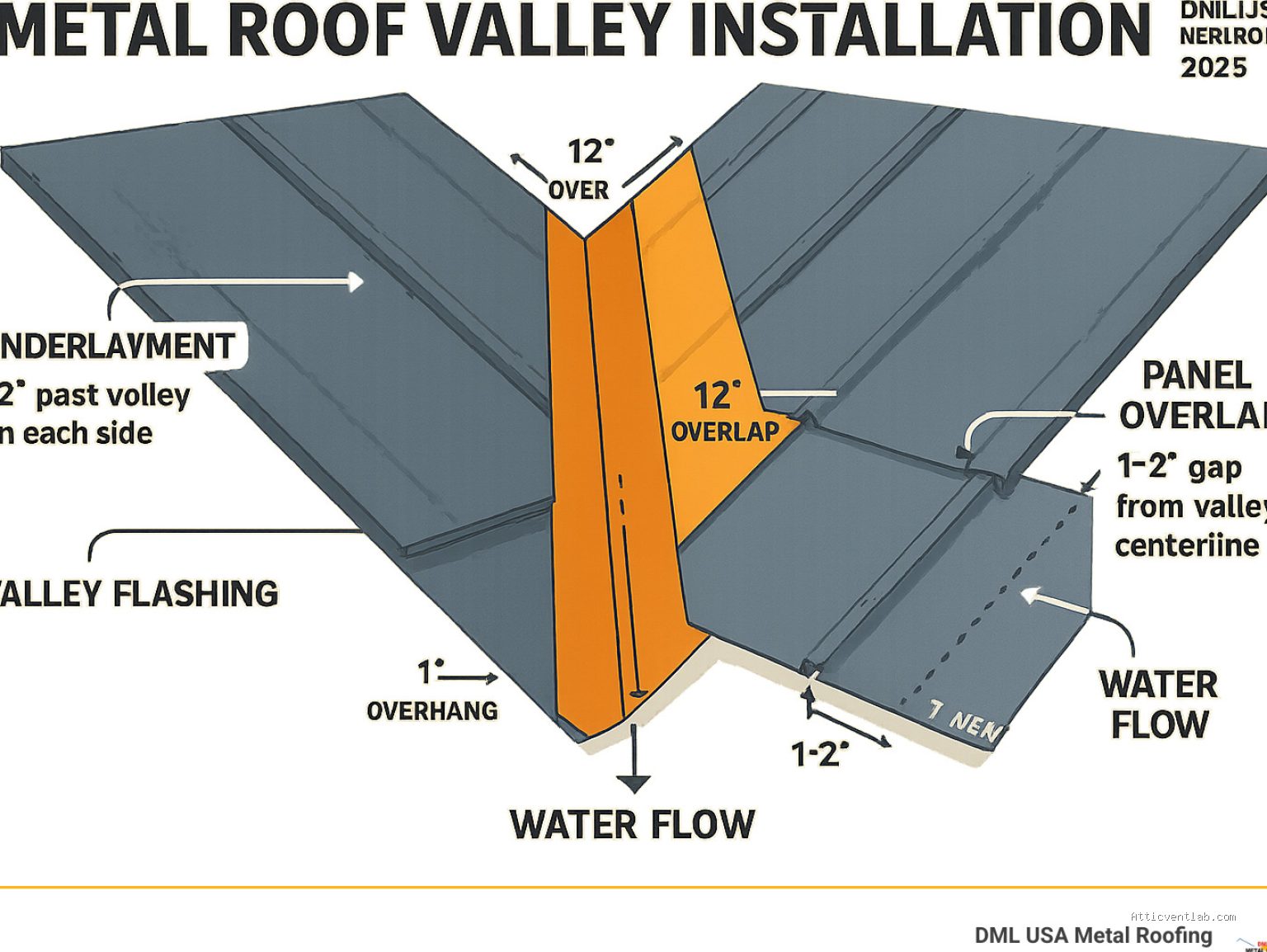
Atticventlab.com – Metal valley liners warp during summer heat because of the extreme difference in thermal expansion coefficients between the metal sheets and the underlying roof deck, which creates internal stress that eventually shears off fasteners. This structural failure occurs when the metal expands faster than the nails or screws holding it in place, forcing the fasteners to back out or tear through the material.
The Physics of Thermal Expansion in Roofing
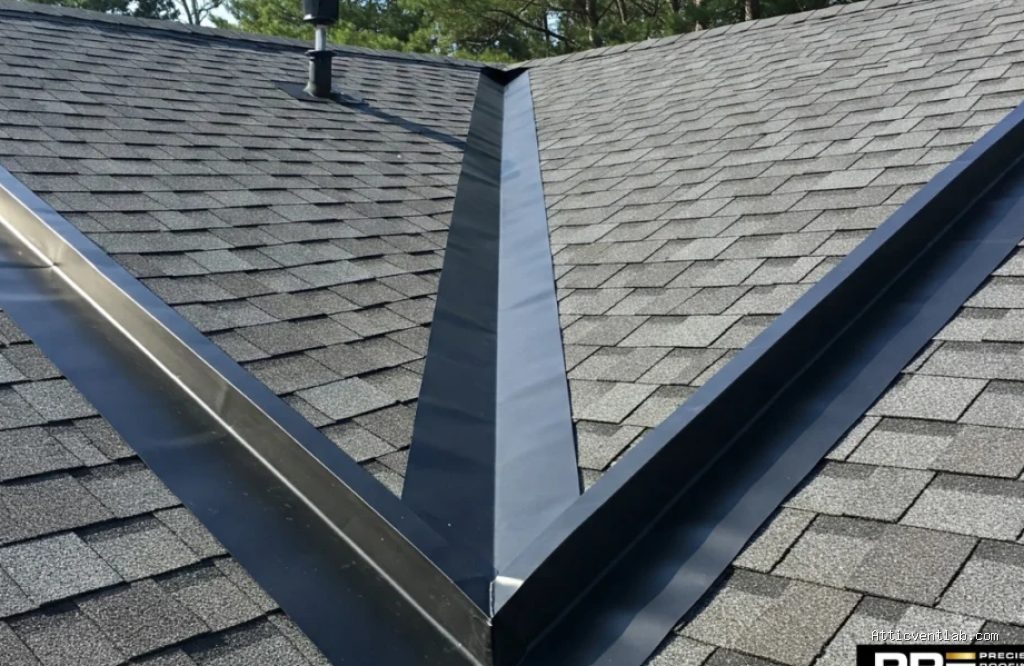
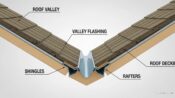
Metal valley liners are essential components of a roof drainage system, designed to channel water away from the intersection of two roof planes. However, metal is a highly responsive material. When exposed to direct sunlight, especially in mid-summer, metal valleys can reach temperatures exceeding 160 degrees Fahrenheit. Because metal expands significantly more than the wood decking beneath it, the liner experiences a phenomenon known as thermal cycling.
During the day, the metal expands, pushing against the fixed points where fasteners are installed. As the sun sets and temperatures drop, the metal contracts. This constant “breathing” motion creates a mechanical fatigue effect. If the fasteners were installed too tightly or without enough clearance for movement, the metal has nowhere to go. It begins to buckle, creating the characteristic “wavy” appearance, and eventually exerts enough force to pull the heads of nails or screws right through the metal or back them out of the wood substrate.
Common Signs of Valley Liner Failure
Recognizing the early signs of thermal warping can prevent significant water damage inside your home. Homeowners should conduct seasonal inspections to identify potential risks before a leak occurs. Look for the following indicators:
- Visible ripples or “waves” along the center of the metal valley.
- Fastener heads that are slightly raised or detached from the metal surface.
- Staining on the underside of the roof deck in the attic space near the valley.
- Metal edges that have lifted away from the shingles, allowing wind-driven rain to enter.
- Audible “ticking” or “popping” sounds coming from the attic as the roof heats up or cools down.
Comparative Analysis of Common Valley Materials
Different metals react differently to heat. Understanding the coefficient of expansion for your specific valley material is critical for long-term durability. The table below outlines how common materials handle thermal stress.
| Material | Thermal Expansion Rate | Susceptibility to Warping | Best Practice |
|---|---|---|---|
| Aluminum | High | Very High | Use sliding clips instead of rigid nails |
| Copper | Moderate | Moderate | Allow for expansion joints every 8-10 feet |
| Galvanized Steel | Low | Low | Ensure proper overlap and sealant |
| Zinc | High | High | Requires specialized installation hardware |
Step-by-Step Guide to Proper Valley Installation
To prevent the common issue of fasteners pulling loose, professional roofers must prioritize allowing the metal to move. If you are replacing a valley liner, follow these steps to ensure the installation can accommodate thermal expansion.
- Clear the valley area of all debris and install a high-temperature self-adhering underlayment to protect the deck.
- Install the valley metal in shorter sections if the run is long, ensuring an overlap of at least 12 inches to allow for movement.
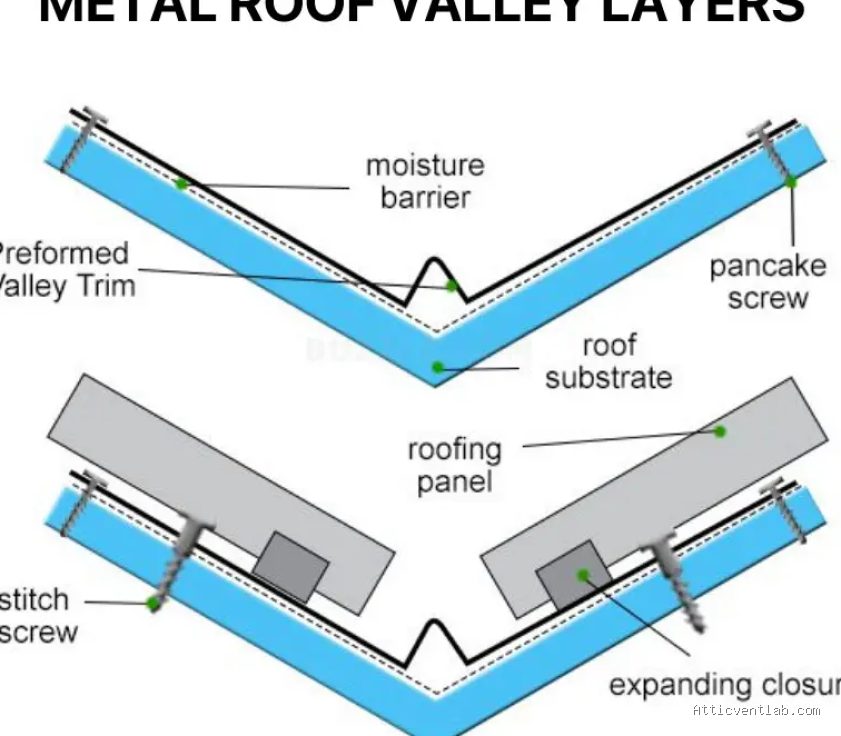
- Use clips or cleats rather than driving nails directly through the center of the metal valley.
- If direct nailing is necessary, use a “loose” nailing technique where the nail head sits slightly above the metal to provide a small amount of play.
- Apply a high-quality, flexible roofing sealant only at the overlaps, ensuring the sealant can stretch without breaking.
- Ensure the shingles overlying the metal valley are trimmed back at least 2 inches to allow the metal to expand freely without being pinched by the weight of the shingles.
Risks of Ignoring Warped Valley Liners
Ignoring a warped valley liner is a recipe for interior water damage. When the metal ripples, it disrupts the flow of water, often causing it to pool behind the buckles. This pooling increases the hydrostatic pressure against the shingle edges, forcing water underneath the roof system. Over time, this leads to rot in the roof sheathing, mold growth in the attic, and potential structural damage to the rafters. Furthermore, once fasteners are pulled loose, the valley liner becomes a “loose” component that can be easily lifted by wind, potentially ripping off the roof during a storm.
Preventing Future Issues
The most common mistake made during installation is “pinning” the metal down too tightly. Installers often treat a metal valley like a shingle, nailing it down every few inches. This is counterproductive. Metal needs to move. By using a floating system—where the metal is held in place by side cleats rather than nails driven through the pan—the metal can expand and contract safely throughout the year without ever compromising the integrity of the fastener.
Q: Why does my roof make noise when the sun goes down?
A: This is known as “thermal contraction.” As the metal cools after a hot day, it shrinks rapidly, causing the metal sheets to slide slightly against the nails or wood, which creates the popping or ticking sound you hear.
📷 Photo by narodnatribuna.info
Q: Is it safe to just hammer the nails back down?
📷 Photo by litespeedconstruction.com
A: Generally, no. If the nails have backed out, the holes in the metal have likely been enlarged or distorted. Hammering them back in usually won’t hold, and it may cause further warping. It is better to replace the fasteners with larger gasketed screws or install a clip system.
Q: Can I use caulk to fix the loose metal?
A: Caulk is not a structural solution. While it may temporarily stop a leak, it will eventually tear as the metal continues to move. You must address the underlying mechanical failure of the fasteners to achieve a permanent repair.
Ultimately, the longevity of a metal valley liner depends on the balance between rigid attachment and freedom of movement. By understanding the thermal properties of the metal used on your roof and ensuring that your installer provides adequate clearance for expansion, you can avoid the frustration and expense of premature roof repairs caused by summer heat.
📷 Photo by dmlusa.com


Leave a Reply