

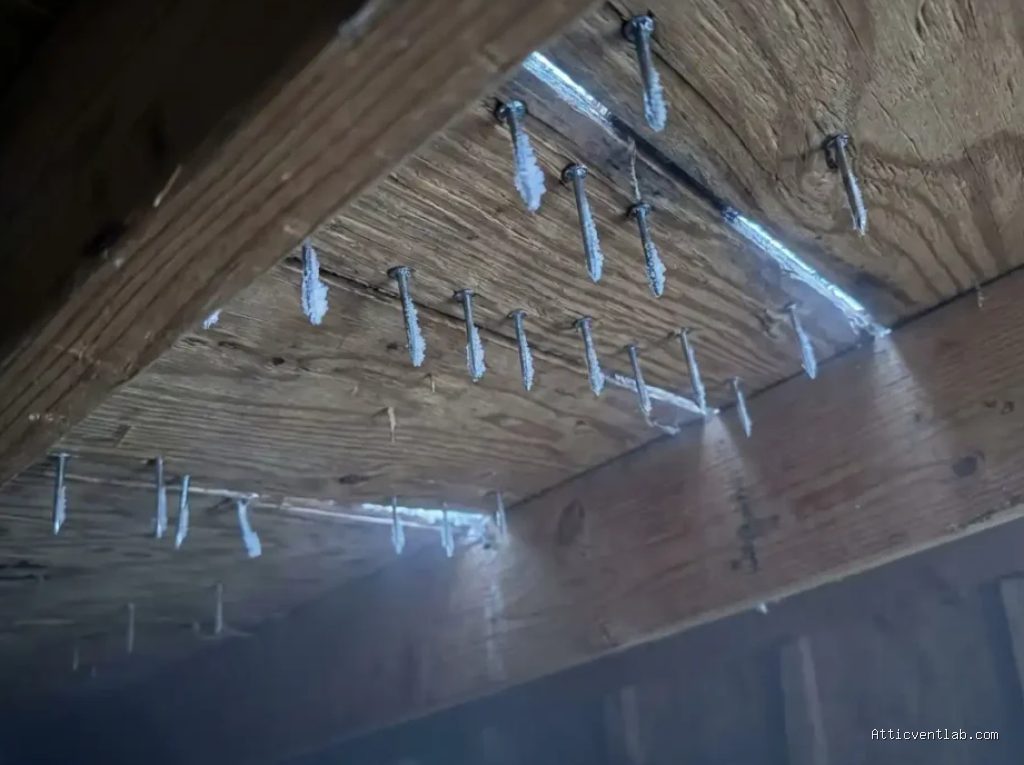
Atticventlab.com – Frost accumulation on exposed attic roofing nails occurs when warm, humid air from the living space leaks into the attic and condenses on the cold, metallic surfaces of nail shanks that protrude through the roof deck. This phenomenon is primarily caused by a combination of inadequate attic ventilation and poor air sealing between the conditioned home and the unconditioned attic space.
The Mechanism of Frost Formation
Roofing nails serve as thermal bridges. Because metal is a highly conductive material, the shank of a nail that penetrates through the plywood or OSB roof sheathing reaches the same temperature as the exterior air. During winter, these nails become significantly colder than the surrounding wood. When moist, warm air from your home migrates upward—a process known as the stack effect—it encounters these freezing metal points. The moisture instantly undergoes phase change, turning from water vapor into frost or ice crystals on the nail head and shank.
Why This Becomes a Problem
While a small amount of frost might seem harmless, significant accumulation is a red flag for building health. When the outside temperature fluctuates or the attic warms slightly during the day, this frost melts. The resulting water drips directly onto the attic insulation or the roof deck. Over time, this leads to localized wood rot, rusted fasteners that lose their holding power, and saturated insulation that loses its R-value, effectively turning your energy-efficient home into a thermal sieve.
Primary Causes of Moisture Infiltration
The most common culprit is air leakage. This occurs through bypasses such as unsealed light fixtures, plumbing stacks, attic hatches, and gaps around chimney chases. Even if your insulation is thick, it does not stop air movement; it only stops heat transfer. If air can move through the insulation, it carries water vapor with it. When this vapor hits the cold attic environment, condensation is inevitable.
Assessment Checklist for Attic Frost
Before attempting repairs, use this table to determine if your attic environment is prone to moisture issues.
| Indicator | Risk Level | Action Required |
|---|---|---|
| Light frost on a few nails | Low | Monitor during extreme cold snaps |
| Thick ice buildup on all nails | High | Immediate air sealing and ventilation check |
| Water stains on insulation | Critical | Investigate roof leaks and moisture sources |
| Musty odor in attic | Moderate | Improve cross-ventilation airflow |
Step-by-Step Mitigation Strategy
Addressing attic frost requires a methodical approach to stop moisture at the source and improve the attic’s ability to exhaust remaining humidity. Follow these steps to remediate the issue:
- Locate all attic bypasses: Use a flashlight and look for dark, stained insulation, which often indicates where air has been filtering through and depositing dust.
- Seal the leaks: Use expanding foam or caulk to seal gaps around electrical wires, plumbing pipes, and HVAC ducts that penetrate the ceiling plane.
- Insulate the attic hatch: The access door is often the largest source of air leakage; ensure it is properly weather-stripped and covered with an insulation dam.
- Verify ventilation paths: Ensure that soffit vents are not blocked by insulation, allowing a steady stream of cold, dry air to flush out the attic space.
- Install a vapor barrier: If you live in a very cold climate, ensure your ceiling paint or a dedicated vapor retarder is intact to prevent interior moisture from entering the attic assembly.
The Role of Ventilation vs. Insulation
A common misconception is that adding more insulation will solve the frost problem. In reality, adding more insulation without sealing air leaks can make the problem worse. By increasing the insulation thickness, you keep the attic space colder because less heat is escaping from the house. While this sounds good, it makes the surface of the nails even colder, potentially causing more condensation if the air leaks are not sealed first. Ventilation is the final line of defense; it serves to dilute the moisture that inevitably makes its way into the attic.
Common Mistakes to Avoid
Many homeowners make the mistake of covering roof vents to “keep the heat in” during winter. This is counterproductive. Stagnant attic air traps moisture, which leads to mold growth and structural damage. Another frequent error is venting bathroom fans or kitchen exhausts directly into the attic space. These fans must be ducted through the roof or a gable vent to the exterior. Sending humid air into the attic is a guaranteed way to see frost on your nails within twenty-four hours of a shower.
Frequently Asked Questions
Q: Is it normal to see some frost on nails during a polar vortex?
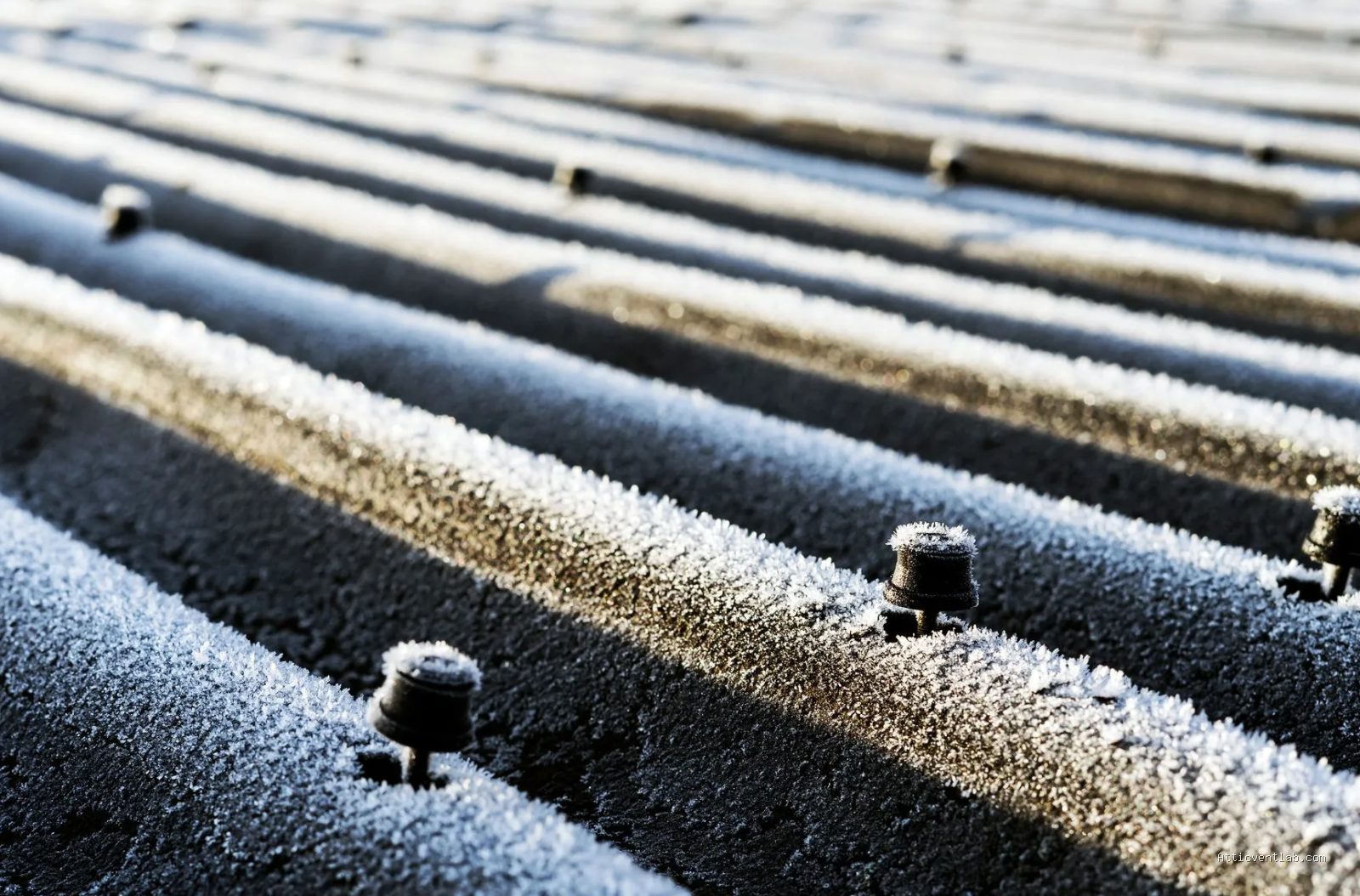
📷 Photo by perkins-roofing.com
A: A very thin layer of frost during extreme, sustained sub-zero temperatures can occur even in well-sealed attics, but it should evaporate quickly once temperatures rise; persistent, heavy ice buildup is never normal.
Q: Should I use a dehumidifier in the attic?
A: No, dehumidifiers are designed for conditioned spaces. In an unconditioned attic, they will struggle to function, consume excessive electricity, and likely fail due to the freezing temperatures.
Q: Will this frost cause my roof to leak?
A: The frost itself does not cause a leak, but the recurring melt cycles can cause water to pool on the roof deck, leading to wood rot that eventually compromises the integrity of the roof and the shingle fasteners.
Monitoring for Long-Term Success
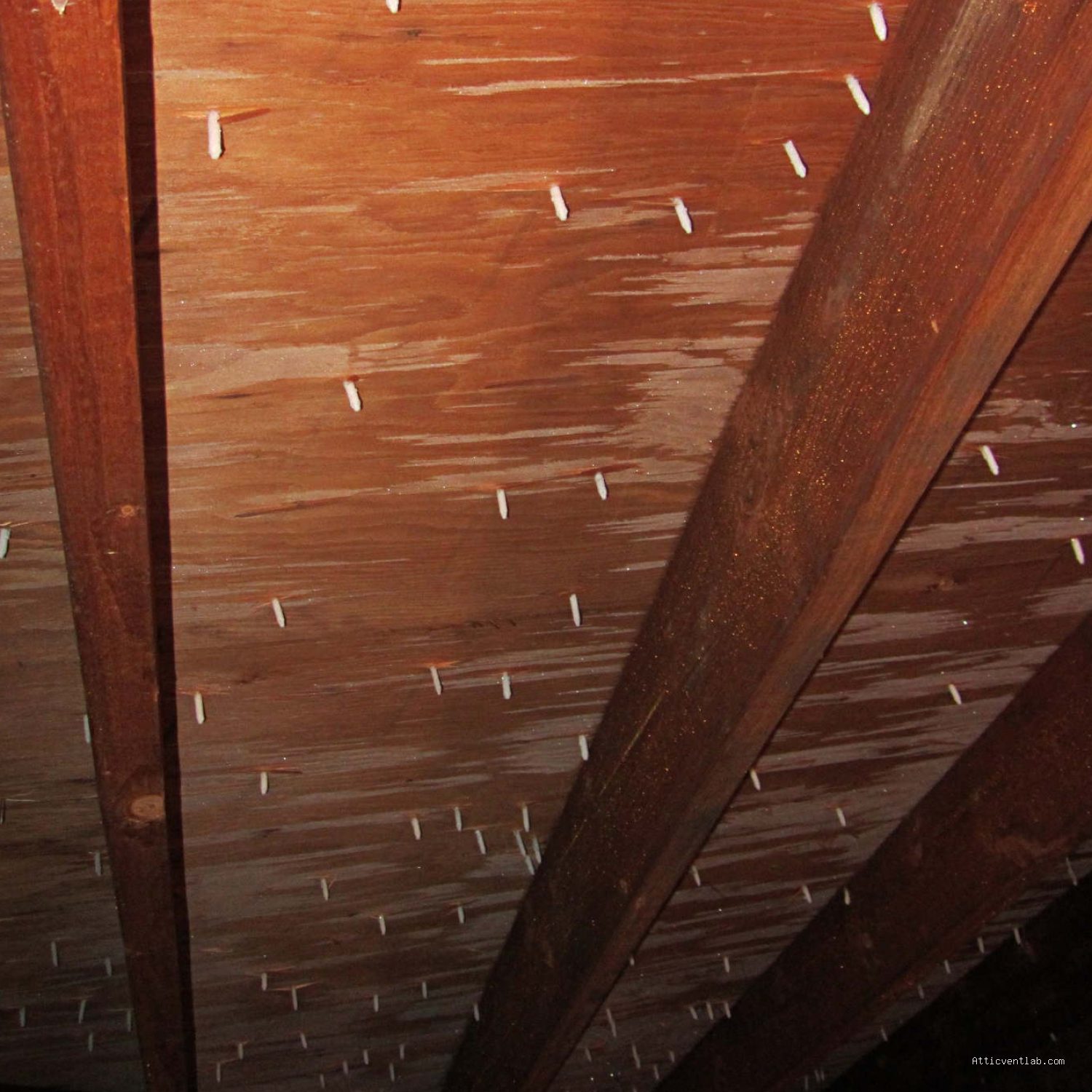
📷 Photo by softsolder.com
Once you have addressed the air leaks and verified that your ventilation is unobstructed, monitor the attic during the next cold snap. You should notice a significant reduction in frost. If the problem persists, consider hiring a professional to perform a blower door test. This test can identify hidden air leaks in the building envelope that are invisible to the naked eye. Maintaining a dry attic is essential for the longevity of your roof structure and the overall health of your home.
📷 Photo by easternrooftech.com



Leave a Reply